



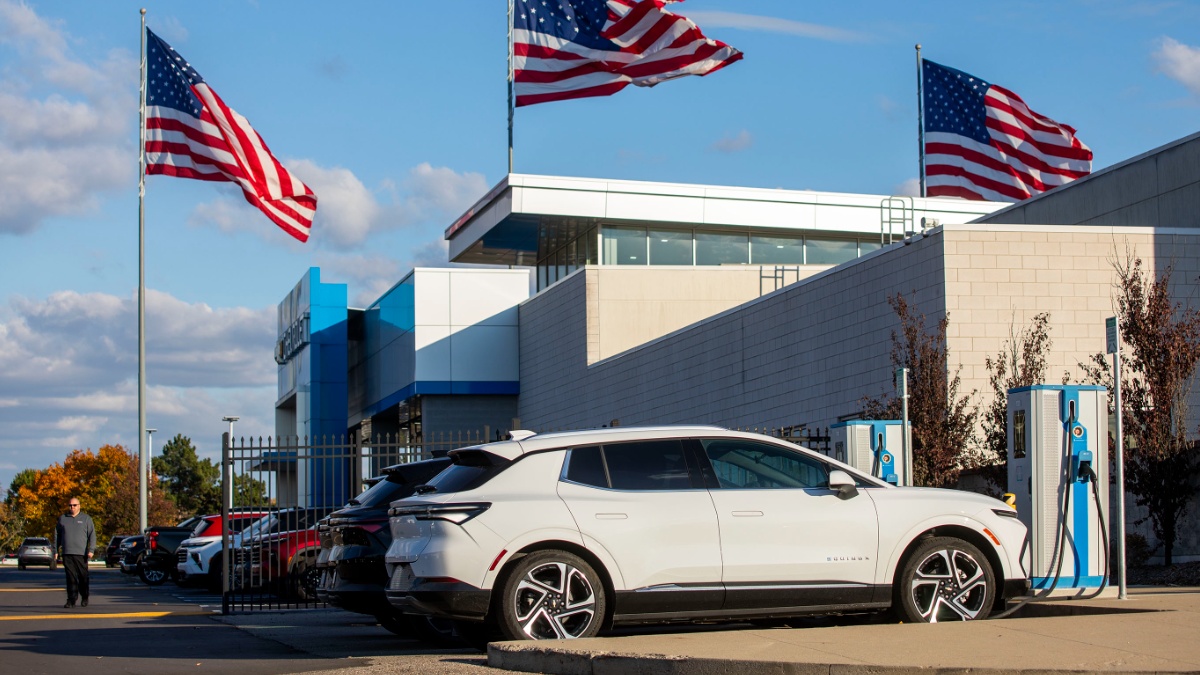

General Motors just delivered a gut punch to its own electric vehicle future, announcing it expects to lose another staggering $6 billion as a direct result of scaling back its ambitious EV plans, as per CNN. This is truly rough news for anyone who was hoping for a swift and smooth transition to zero-emissions driving.
This new $6 billion financial hit comes on top of the $1.6 billion charge GM already disclosed in October for changes to its EV strategy. GM isn’t alone in facing this financial disaster, either. Ford previously announced a massive $19.5 billion charge for similar changes to its own electric vehicle strategy. These are staggering numbers that show the significant cost traditional automakers are now absorbing due to shifting federal policy.
The main reason for this reversal stems from a change in the regulatory landscape. Automakers like GM invested heavily in EV research and development, anticipating stringent environmental regulations that were put in place during the previous administration. They fully expected some states, following the lead of California, to move forward with plans to ban the sale of new gas-powered vehicles within a decade. In fact, GM had previously announced a massive goal to produce only electric vehicles by 2035.
Without the regulatory stick and the financial carrot, the immediate urgency to go all-in on EVs has vanished for many automakers
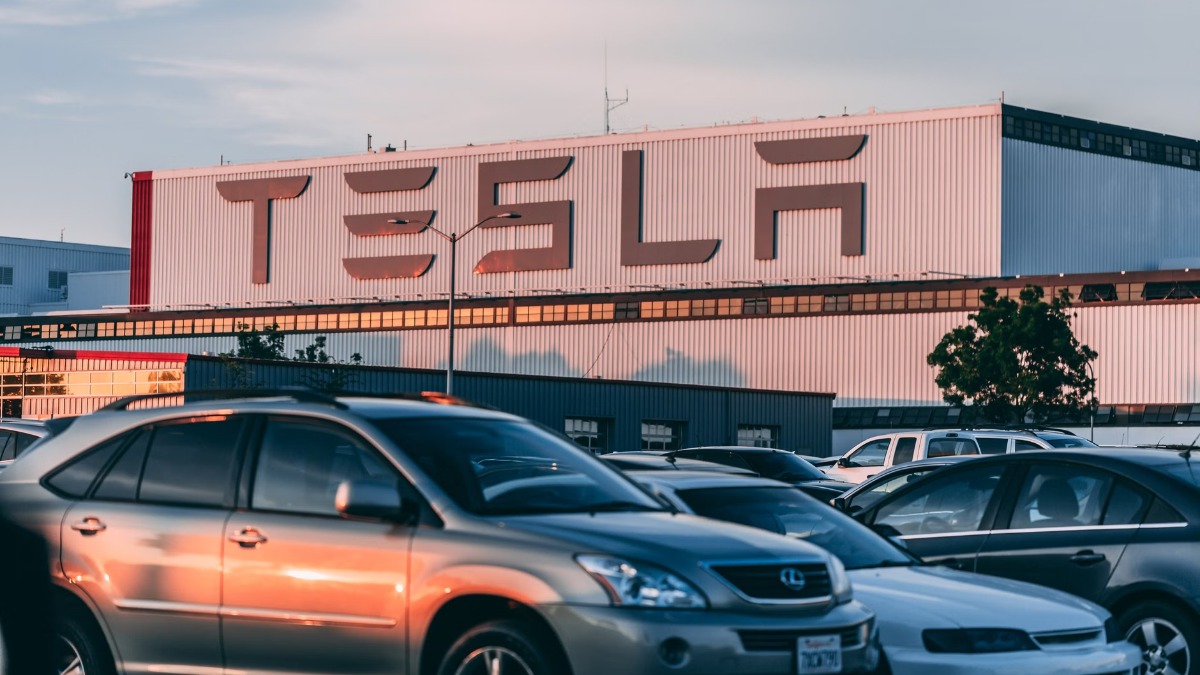
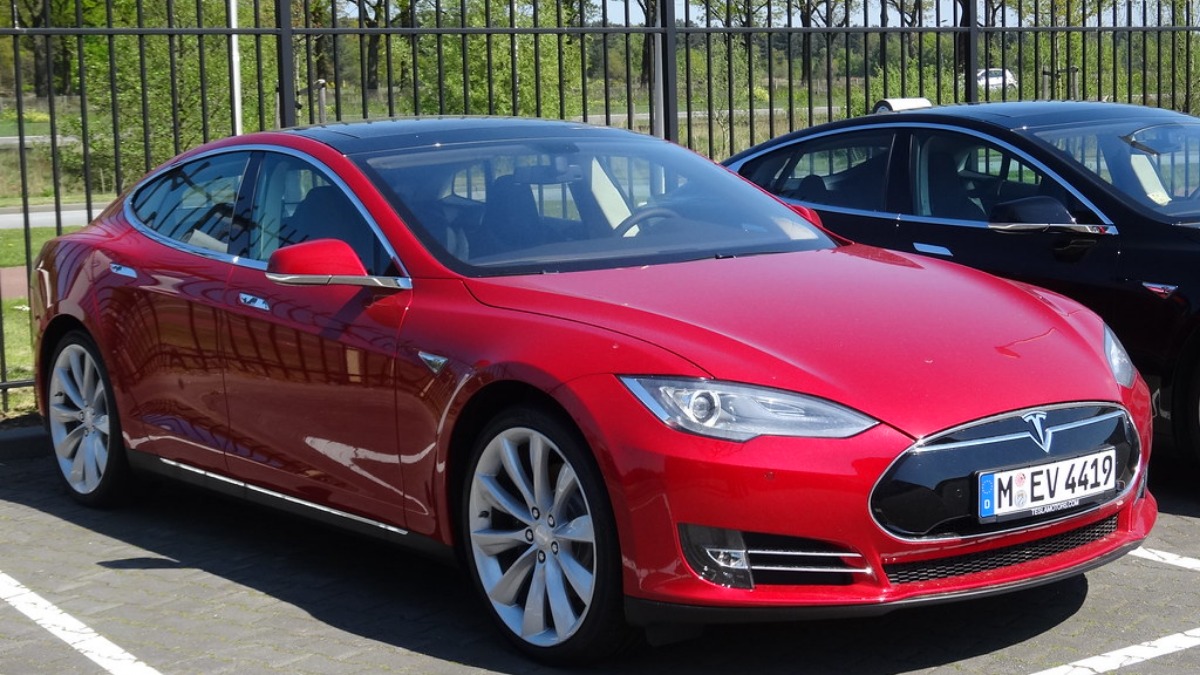
The current administration has completely changed the game. President Trump has rolled back those tough emissions rules and has also removed much of the financial support intended to foster the adoption of electric vehicles, which also drew warnings from Tesla. Furthermore, the administration is actively challenging the authority of states to set their own, tougher climate rules for vehicle sales.
Despite this massive financial hemorrhage, GM CEO Mary Barra is still trying to keep the faith. She told investors back in October that “electric vehicles remain our North Star.” That sounds great on paper, but she quickly followed up with a dose of reality, admitting it’s now crystal clear that sales of traditional cars and trucks, those with internal combustion engines, “will remain higher for longer.”
The market evidence supports this cautious approach. We saw demand surging through the summer and September, but that was largely artificial. Consumers were rushing to buy before the scheduled expiration of a generous $7,500 US tax credit for EV buyers. Once that incentive dried up, US sales of electric models across the entire industry fell sharply in the fourth quarter, both compared to the previous year and from the record third quarter.
While GM hasn’t announced any new factory closures or job cuts with this latest financial update, the damage is already done. A huge chunk of that $6 billion charge is going toward settling canceled contracts with parts suppliers. The company already had to eliminate one shift at its Factory Zero EV plant in Detroit in October, which meant 1,200 hourly workers were placed on indefinite layoff. They also put 550 workers at an EV battery plant in Ohio on indefinite layoff as well.


Published: Jan 14, 2026 02:00 pm