



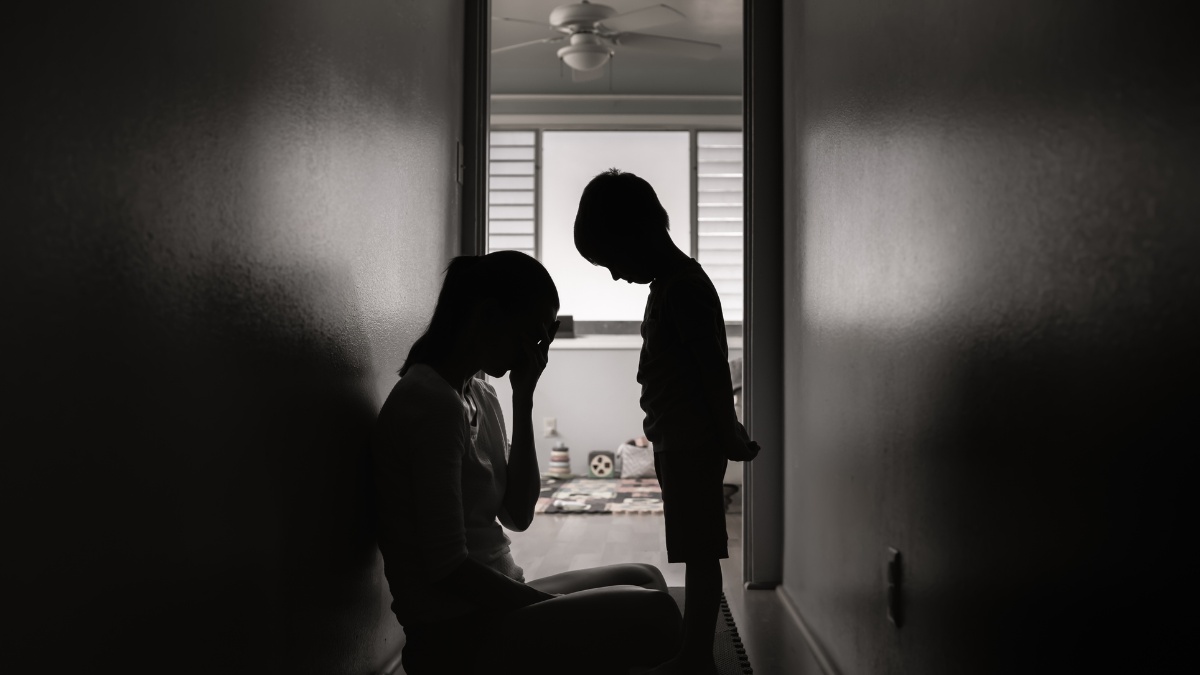

A coroner has concluded that extreme loneliness and social isolation were the overwhelming factors that led a mother to take her own life and the life of her severely disabled daughter. The deaths were examined during a four-day inquest in Greater Manchester West.
The incident came to light through reporting by The Guardian, which detailed how the pair were found at their home in Salford, Greater Manchester. Police were called after the child failed to attend school.
Area coroner Peter Sigee said the case demonstrated how feelings of profound isolation can overwhelm an individual even when significant professional support is in place. He told the inquest that the circumstances highlighted the limits of intervention when someone conceals the depth of their emotional distress. can overwhelm an individual even when significant professional support is in place.
Loneliness overwhelmed her despite extensive professional support
Martina Karos, 40, was found dead alongside her eight-year-old daughter, Eleni Edwards. Karos had become a full-time carer after Eleni developed profound health issues, including limited mobility and blindness, and was non-verbal.
The inquest heard that Karos, originally from Poland and raised in Italy, struggled with her mental health following the breakdown of a relationship. Friends described her as a loving mother but said the demands of round-the-clock care left her feeling completely alone. One close friend said the physical strain of lifting Eleni was difficult, but emphasized that isolation was the primary issue, explaining that Karos spent every night alone with a non-verbal child and had no meaningful social contact.
Despite what was described as extensive support, Karos continued to feel deeply lonely. Eleni had been placed on a child protection plan, resulting in daily visits from carers and social workers. Karos also received respite care, counseling, talking therapy, and psychotherapy, and social workers accompanied her to activities to help her build friendships, though she struggled to connect. In reflecting on the limits of external support, similar questions have emerged in coverage of how a major court ruling exposed failures in corporate oversight and how public figures are confronting the unintended risks of emerging technology.
Sigee ruled that Karos died by suicide and that Eleni was unlawfully killed by her mother. The cause of death was carbon monoxide poisoning, with the coroner stating that Karos deliberately placed herself and her daughter in an environment where they were overcome by toxic fumes with the intention of ending both their lives.
The coroner said the deaths could not have been reasonably foreseen by professionals, noting that Karos had denied any thoughts of harming herself or her daughter. Despite what he described as a high level of good-quality support from professionals, family, and friends, Sigee concluded that Karos’s feelings of extreme loneliness ultimately overwhelmed her.









Published: Jan 16, 2026 07:30 pm