



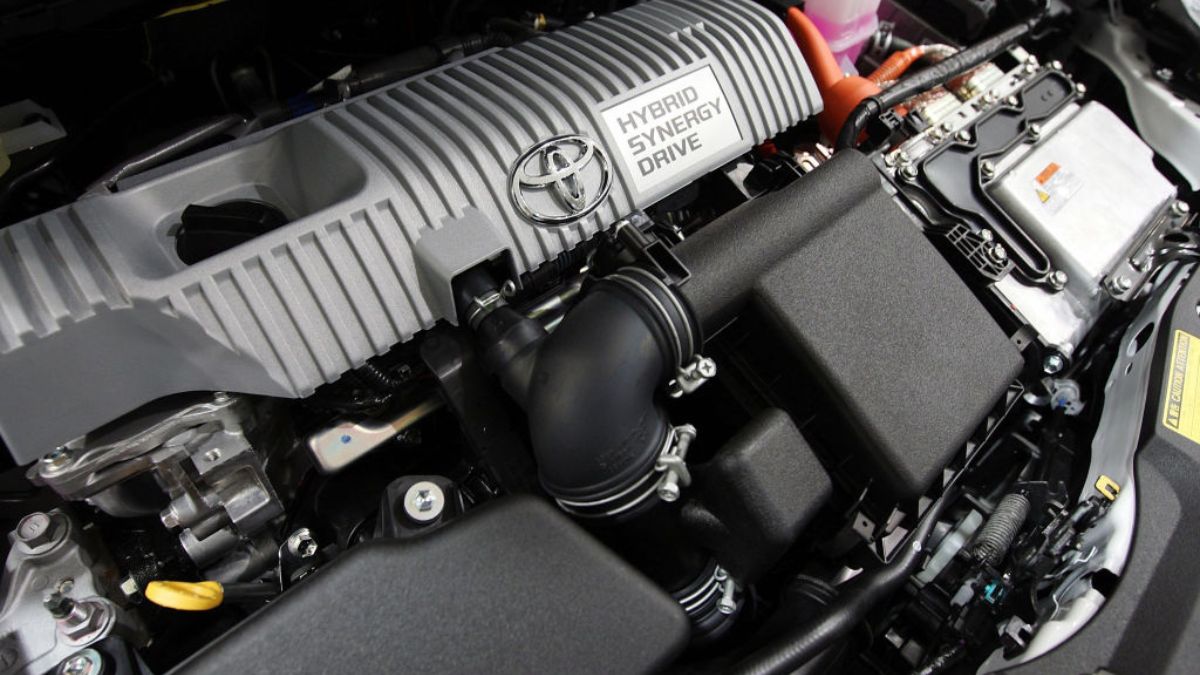

A Lexus owner thought he got bad gas after his engine started making a scary rattling sound right after filling up at Safeway. But people on the internet quickly gave him a much worse diagnosis. The sound is the kind that worries car lovers because it usually means serious damage.
According to Motor1, the owner posted the whole thing on TikTok and shared a video showing his engine struggling to start. The hood was open and the car was trying hard, but something was wrong inside. The sound started as a fast, high-pitched ticking and rattling, then turned into a slower, heavier knocking. You don’t need to be a mechanic to know that noise means trouble.
The TikToker was sure the fuel was the problem. His caption said, “Just got gas at Safeway and now my car sounds funny.” He asked his viewers for advice on what to do. Right away, the comments shut down the bad gas theory.
The timing was just unlucky coincidence
People pointed out that bad fuel doesn’t usually cause that specific type of terrible noise. One commenter was direct, writing, “A rod knock has absolutely nothing to do with the gas you put in your car.” Another person said, “🤣🤣🤣🤣🤣🤣 sorry to inform you but that got nothing to do with the gas ! NOT A FUEL ISSUE.” Someone else added, “Sounds like no oil condition in that motor.”
This is really bad news for the owner because it seems like terrible timing. The engine failure just happened to occur right after he got gas. The owner questioned this, saying, “It didn’t happen till after tho! You think it’s just bad timing?” The community gave him an honest answer: “Yeah unfortunately bad timing.”
Since the engine rattle was likely a serious internal problem, it’s worth knowing what actually happens when you get bad fuel. Low-quality gas can happen if a seller mixes fuel wrong or puts the wrong octane in your car, and it can hurt your performance. Regular fuel also goes bad after three to six months of sitting unused. Similar to what dealerships charge for diagnosing problems, repair costs can add up quickly.
If you suspect bad fuel, you’ll see signs like trouble starting, or the engine will stutter when you try to turn it over. The gasoline burns wrong because its chemical makeup changes, causing misfires and hesitation. You might also have trouble speeding up, making it hard to keep up with traffic.
Bad gas can cause unexpected stalling and a rough ride, or turn on the check engine light because debris buildup affects the engine. If you’re filling up more often, that worse fuel efficiency could also mean contaminated fuel. Always check the gas cap seal during regular maintenance because water and debris can get into your tank if that seal is loose.
If you confirm you have bad gas, the best way to fix it yourself is dilution. Bad fuel can seriously hurt your engine’s performance and life span, so fix it quickly. A good rule is to add three parts of fresh gasoline for every one part of old gas in your tank.
Any mechanic or dealership can help if you don’t want to do this yourself by testing the fuel line and flushing the fuel system. For this Lexus owner, though, he’s facing a much more expensive repair than just a fuel flush. Being aware of hidden costs that drivers face can help you avoid similar financial surprises.







Published: Jan 20, 2026 05:15 pm