



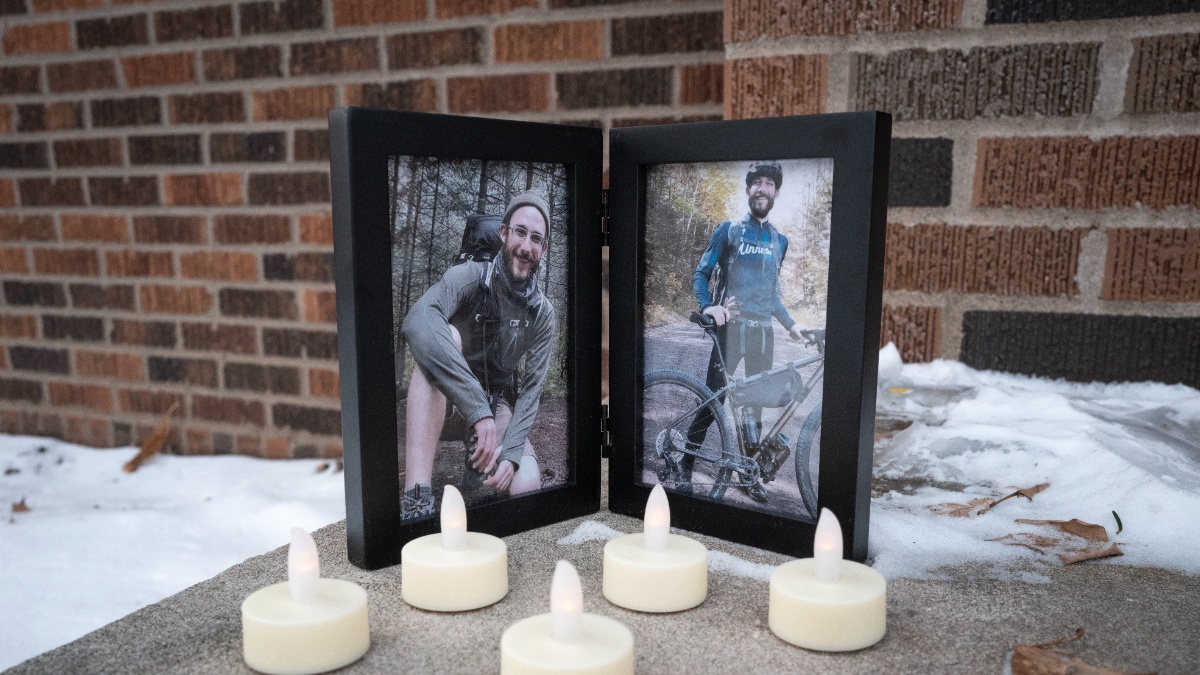

Federal immigration officers shot and killed Alex Pretti, but the truly chilling part of this story is the aggressive surveillance approach federal agents were already taking with him and other protesters in Minneapolis. As reported by CNN, Pretti’s name was definitely known to federal agents, which is unsettling given what happened to him just a week prior to his death.
Sources familiar with the situation say that about seven days before the fatal confrontation, Pretti suffered a broken rib after being tackled by a group of federal officers. This earlier incident began when Pretti saw Immigration and Customs Enforcement, or ICE, agents chasing what he thought was a family on foot. He pulled over his car and started shouting and blowing his whistle to intervene.
A source who spoke about the incident shared that five agents then tackled Pretti, and one leaned heavily on his back, causing the injury. The agents quickly released him at the scene, but the experience was terrifying. The source noted that Pretti later told them, “That day, he thought he was going to die.” Records show Pretti was later given medication consistent with treating a broken rib.
This kind of systematic data collection on protesters whose activities are broadly protected by the First Amendment is genuinely awful for civil liberties
It’s not yet clear if the agents who fatally confronted Pretti recognized him before they wrestled him to the ground, took a gun from his waistband, and shot him. However, the fact that federal authorities were already documenting details about him reflects a widespread, aggressive approach to information gathering.
This philosophy is actually underscored by a memo sent earlier this month to agents temporarily assigned to Minneapolis. That correspondence asked officers to “capture all images, license plates, identifications, and general information on hotels, agitators, protestors, etc., so we can capture it all in one consolidated form.”
This information is being collected using a specific tool called the “intel collection non-arrests” form. This allows agents to input personal information about people they encounter, even if they aren’t detained. Previously, agents just shared information informally, but this new form systematizes the process.
The Department of Homeland Security, or DHS, has defended the practice, arguing that it’s necessary to combat threats against federal officers. DHS Assistant Secretary Tricia McLaughlin stated that when law enforcement encounters a “violent agitator who is breaking the law, obstructing law enforcement or assaulting them, our law enforcement make records to advance prosecution.” She insisted, “This is not ground breaking, it is standard protocol.”
This entire situation plays into a larger, ongoing debate about creating databases of activists. President Trump’s border czar, Tom Homan, spoke publicly about his desire to “make them famous” and create a database for those arrested for interfering with operations. Homan said recently, “We’re going to put their face on TV. We’re going to let their employers, in their neighborhoods, in their schools, know who these people are.”
Naturally, there’s been major pushback. A DHS spokeswoman denied the agency was compiling a database of “domestic terrorists” after a video showed a federal agent recording a woman’s license plate in Maine and telling her she was now considered a “domestic terrorist.”








Published: Jan 28, 2026 12:30 pm