



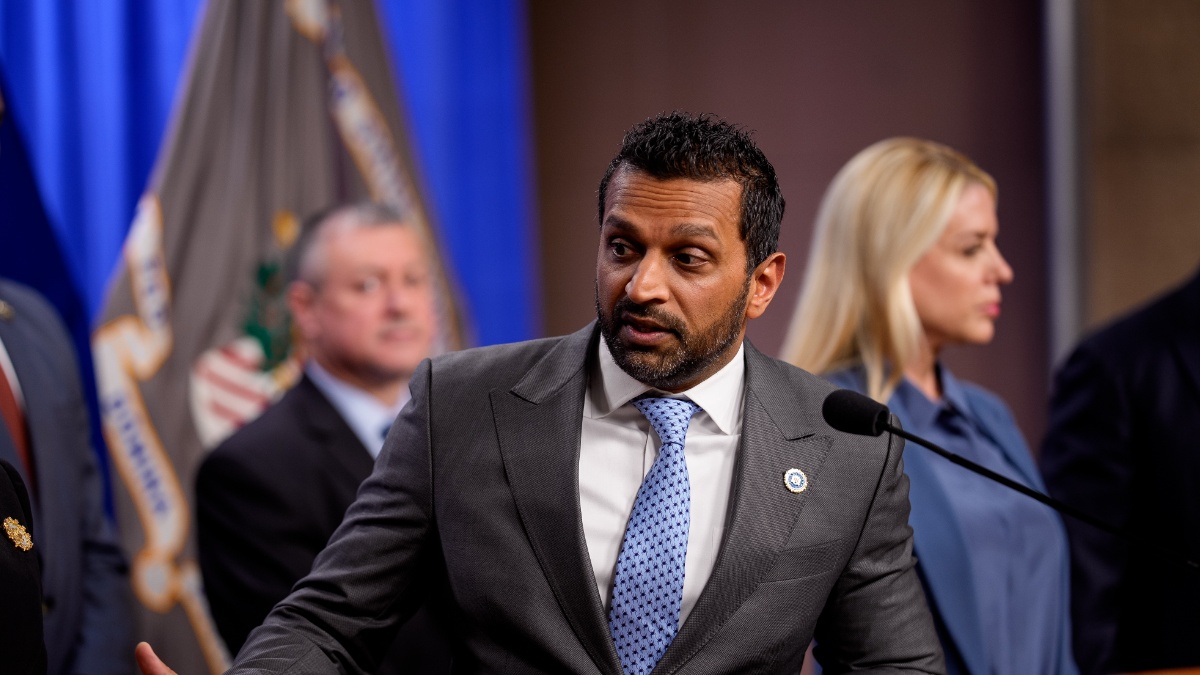

FBI Director Kash Patel announced that the bureau has launched a major federal investigation into the encrypted Signal group chats used by Minnesota residents to track the movements of federal immigration agents, as per NBC News. This is a massive new development, opening a fresh front in the Trump administration’s ongoing conflict over immigration enforcement and raising serious questions about free speech in the digital age.
The director confirmed the entire investigation was inspired by a viral post on X. Patel told conservative podcaster Benny Johnsonthat he got the idea after seeing a thread posted by Cam Higby, a conservative journalist. Higby claimed he had “infiltrated” Signal groups around Minneapolis that were allegedly obstructing law enforcement. That post, which focused heavily on how groups share information like the license plate numbers of suspected federal vehicles, racked up an incredible 20 million views.
“As soon as Higby put that post out, I opened an investigation on it,” Patel said. He expressed concern that the coordination, which may involve individuals across the country, could lead to breaking federal statutes. “You cannot create a scenario that illegally entraps and puts law enforcement in harm’s way,” the director stated, emphasizing that if laws were violated, the FBI would arrest people.
For those who aren’t familiar, Signal is considered one of the most secure chat apps out there, making it a go-to resource for people deeply concerned about privacy
Ironically, it’s probably best known because Defense Secretary Pete Hegseth used it last year to share sensitive military information in a group chat that accidentally included a journalist. In Minnesota, activists, neighborhood-watch members, and parents have been using these Signal chats, alongside tools like walkie-talkies and whistles, to warn families about enforcement activities near schools.
With over 3,000 federal immigration agents in Minnesota, these volunteers are motivated by a desire to protect non-citizen parents, children, and school staff members. Digital tools have been central to resistance efforts for months. Last year, administration officials criticized ICEBlock, an app designed to share ICE sightings. Apple eventually removed the app from its store in October, which led to a lawsuit from the developer claiming the administration unlawfully pressured Apple.
Free speech advocates were quick to push back, arguing the First Amendment protects the public’s right to share legally obtained information, like the location or names of federal agents. Aaron Terr, director of public advocacy at the Foundation for Individual Rights and Expression, noted that any investigation like this requires “very close scrutiny” given the administration’s track record regarding protected speech.
Patel did acknowledge that investigating group text chats raises legitimate free speech concerns. He said the FBI would “balance” the rights guaranteed by the First and Second amendments with potential violations of federal law. This idea of “balancing” the First Amendment against the government’s interests is getting major pushback from legal experts.
Patel also made a broader claim, alleging that the protests and neighborhood monitoring activities are “not happening organically.” He claimed the FBI had made “substantial progress” in an investigation into groups funding the resistance to immigration enforcement, though he didn’t provide evidence to back up that claim.








Published: Jan 28, 2026 01:00 pm