



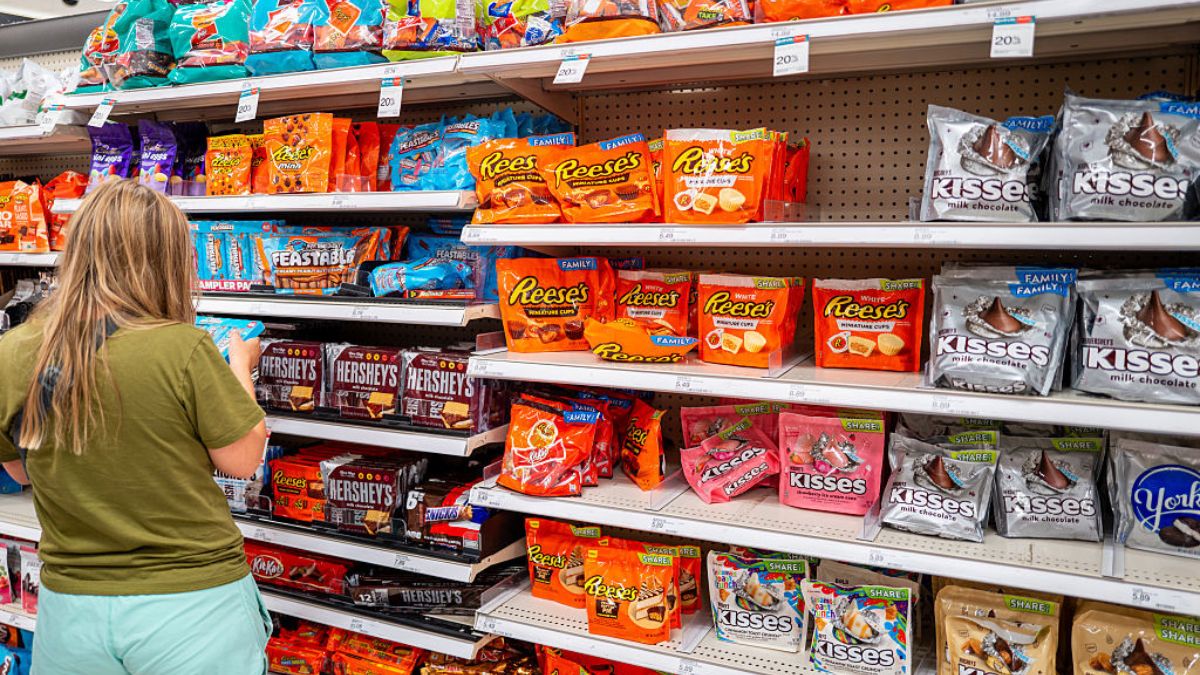

The Florida Department of Health released a report showing that 28 out of 46 popular candy products contained arsenic. Officials tested candies from 10 different companies as part of their investigation. The testing is part of Governor Ron DeSantis’ Healthy Florida First initiative, which focuses on products marketed to children.
Florida’s First Lady, Casey DeSantis, said the testing aims to increase transparency for families. “As parents and consumers, we should have confidence that the products sold in grocery stores are safe and free from poison,” she stated, according to Fox News.
Officials bought candy online and in stores across Florida and tested it at a certified lab. They used EPA Method 6010D to measure total arsenic levels. This method doesn’t tell the difference between organic and inorganic arsenic, and inorganic arsenic is considered more toxic.
The findings raise serious questions about candy safety standards
The department calculated safe consumption amounts based on monthly and yearly intake. They used children as the standard because kids have lower body weight, which means they face higher exposure risk than adults.
The National Confectioners Association (NCA) strongly disagreed with the findings. The group called Florida’s conclusions “misguided” and said chocolate and candy are safe to eat. The NCA argued that calculating risk based on yearly consumption will cause unnecessary alarm. While this controversy unfolds, a Florida woman faced unexpected travel chaos during her recent flight.
The association claims Florida ignored federal standards and peer-reviewed science. They pointed to the FDA’s Total Diet Study Interface, which shows lower arsenic levels in candy than what Florida reported. The NCA accused the state of choosing “sound bites over science” and publishing “unsourced materials that amount to little more than a scare tactic.”
The report showed how quickly some popular candies reach Florida’s calculated safe yearly limit. It takes only about two and a half pieces of Snickers or Kit Kat bars over a year to reach that level. Only four pieces of Twizzlers Strawberry or six pieces of Jolly Ranchers (sour apple/strawberry) reach the limit.
Even candies with higher thresholds only need 12 pieces of Trolli Sour Brite Crawlers or 36 pieces of Sour Patch Kids annually. In other Florida travel news, one woman’s empty Delta flight experience went viral recently.
Officials haven’t issued any recalls despite the findings. They said health risks depend on how often and how long someone eats these products. Florida officials stated their testing is meant to add to federal food safety efforts, not replace them.





Published: Feb 1, 2026 05:45 pm