



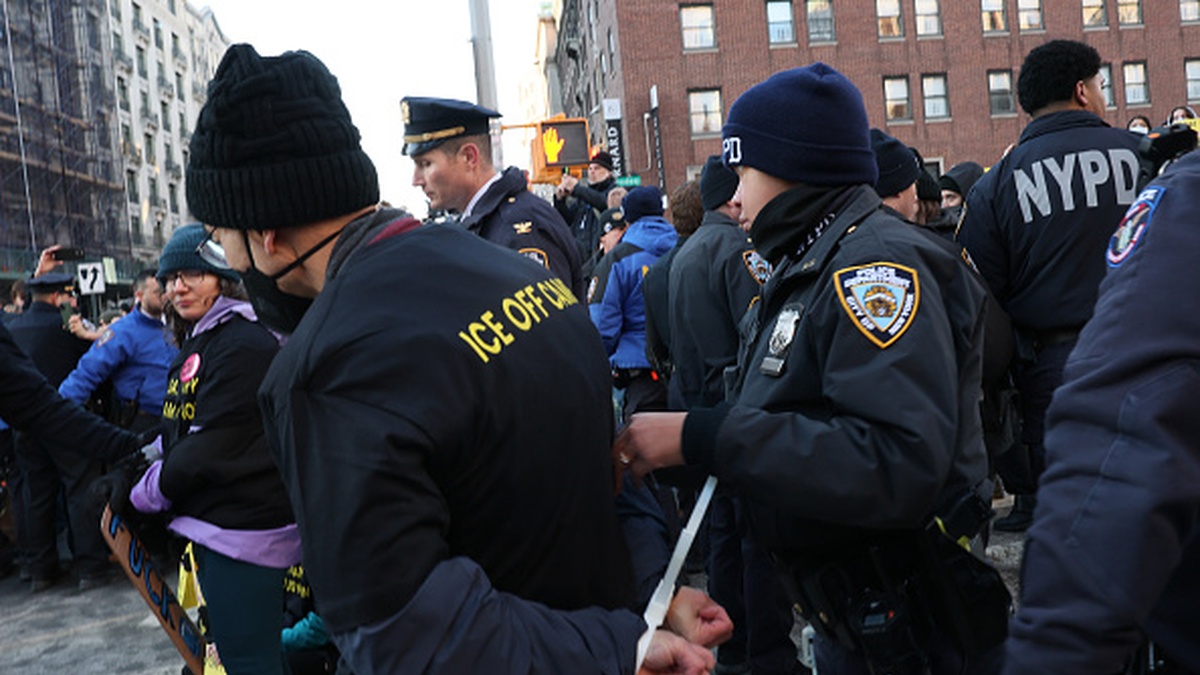

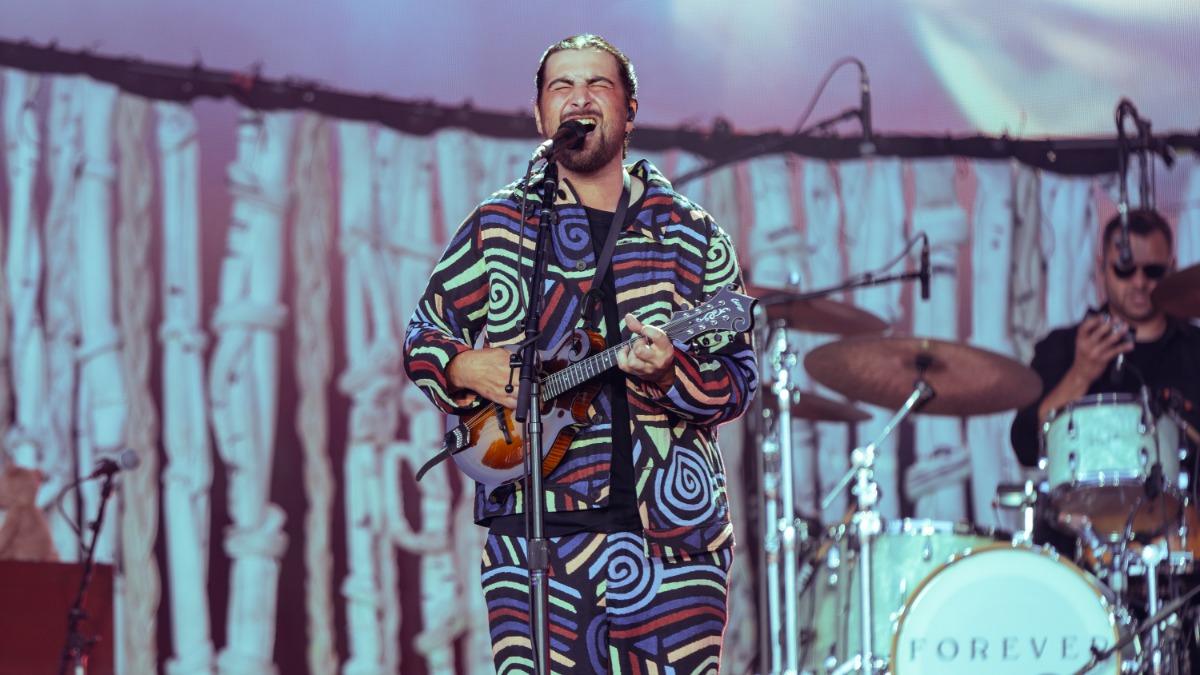
A lawyer has explained the legal and financial problems Bad Bunny could face if he uses his Super Bowl half-time show to protest US immigration policy. The Puerto Rican superstar, whose real name is Benito Antonio Martínez Ocasio, will perform during Super Bowl LX at Levi’s Stadium on Sunday, February 8.
Bad Bunny has been very critical of President Trump and the government’s use of US Immigration and Customs Enforcement (ICE), making a political statement highly likely. Fraser MacKinven, a lawyer who works in sports and entertainment law, said the biggest problem Bad Bunny would face is not government action but breaking his contract.
He explained that performance agreements for huge events like this almost always include detailed rules that limit political speech and protests. While a contract cannot stop an artist from saying something, it can strongly discourage it through serious financial penalties. According to Sport Bible, if Bad Bunny breaks these contract terms, he could face a large claim for damages.
Bad Bunny has already shown he will use big stages for political messages
Bad Bunny has proven he is not afraid to use major platforms to share his views. The 31-year-old artist won Album of the Year at the 68th Grammy Awards. He immediately used his acceptance speech to criticize ICE. “Before I say thanks to God, I’m going to say ICE out,” Bad Bunny stated during his speech. “We’re not savages, we’re not animals, we’re not aliens, we’re humans.”
This protest happened during widespread criticism of ICE. Agents faced heavy backlash after two US citizens, Alex Pretti and Renee Nicole Good, were shot dead by agents in Minnesota in January. After massive protests over the incident, President Trump promised to reduce the number of agents in that area by 700.
Bad Bunny has also refused to tour the US mainland before, citing potential problems for his supporters. The Grammy Awards saw widespread ICE protest messaging throughout the event. NFL Commissioner Roger Goodell has said he does not expect a political statement during the halftime show. However, given the artist’s history, the possibility is not ruled out. Goodell’s message to Bad Bunny came shortly after the Grammy speech.
MacKinven believes that if the protest involves just political messaging, imagery, or symbolism, it likely will not break any laws. The First Amendment protects freedom of speech and peaceful protest heavily in the US. However, the legal situation becomes more complicated if the protest crosses certain lines. If the protest is considered defamatory, the artist could face legal action from the individual or organization being defamed.
Another serious risk involves public safety. If the protest is considered to incite violence, or if a crowd member gets injured because of the protest, Bad Bunny could be held legally responsible. While breaking the contract is the most likely way the NFL could respond, individual players who protest usually only face fines or suspensions, not civil lawsuits. For Bad Bunny, the stakes are much higher, and he risks a serious financial payout if he chooses to make a statement on Sunday.


Published: Feb 6, 2026 12:30 pm