



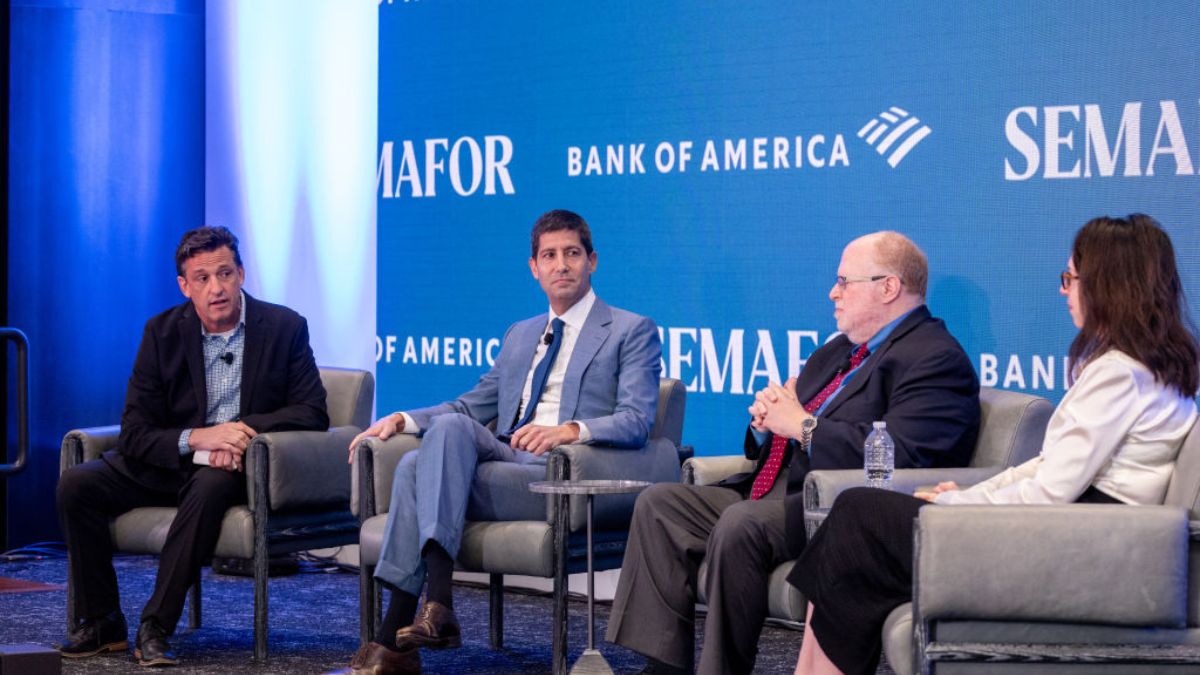

Kevin Warsh, President Trump’s pick to lead the Federal Reserve, has a sweeping plan that could reshape the country’s financial markets. Warsh has spent years pushing for the Fed to step back from its heavy role in markets. If the Senate confirms him, he will finally get his chance, and Wall Street is bracing for serious disruptions.
This creates a major conflict within the administration. Trump wants the Fed to cut borrowing costs to lower mortgage rates and government debt costs, especially as voters grow unhappy with the economy. But any market turbulence caused by Warsh shrinking the Fed’s massive holdings could do the opposite; pushing long-term interest rates higher.
For over a decade, Warsh has criticised the Fed’s policy of buying trillions of dollars in U.S. government debt and bundled mortgages, a process known as quantitative easing, which began after the 2008 financial crisis and continued through the 2020 pandemic. According to Politico, He argues this policy distorted the market and enriched Wall Street and the wealthy rather than ordinary Americans.
Warsh’s plan carries real risks, and even supporters admit it will take years to play out
One clear sign of this distortion is in housing. After the Fed’s post-Covid intervention, the average home value rose by nearly $100,000, almost 75 percent higher than the pre-pandemic trend, making it much harder for people to buy homes. This comes as the Trump administration continues to pursue major economic decisions, including a controversial $40 million deportation scheme whose costs have raised serious questions.
Warsh knows he must move carefully. Any major effort to reduce the Fed’s holdings could shake the funding markets that support the entire financial system. Speaking at a Stanford University Hoover Institution event last year, he said, “The transition to what I think is a more prudent system will take time, deliberation and an excess of communication with the public and the institutions in the banking system itself.”
Warsh has an important ally in Treasury Secretary Scott Bessent, who shares similar goals. One approach they are considering involves coordinating their portfolios, if the Fed shifted its holdings toward shorter-term U.S. government debt, and the Treasury issued more short-term debt, they could push long-term rates down, which directly affects mortgage rates.
They are also exploring ways to reduce the amount of cash reserves banks are required to hold. If regulators loosened those rules, the Fed could shrink its bond portfolio without draining too much money from the banking system.
Some potential changes, however, may be mostly cosmetic. Lou Crandall, chief economist at Wrightson ICAP, dismissed one such option, saying, “That has zero benefits other than doing what you said you were going to do in terms of being able to point to a chart of total Fed assets going down.”
Not everyone believes the reform is worth the risk. Julia Coronado, founder of MacroPolicy Perspectives, said, “I don’t think the costs are going to be worth the benefits, and I think they know that.” Even Bessent indicated the Fed would likely need “at least a year” just to decide the path forward for the balance sheet. Meanwhile, major figures with ties to the Trump administration are making large financial bets on the country’s future direction.
Ultimately, Warsh and Bessent have already signalled they will set a much higher bar for using quantitative easing in future downturns; a shift that alone would tell markets the Fed won’t intervene as heavily in a recession. As Crandall put it, “I think they could declare victory if they simply entrenched the idea that we’re not going back to QE anytime soon.”





Published: Feb 17, 2026 05:15 pm