



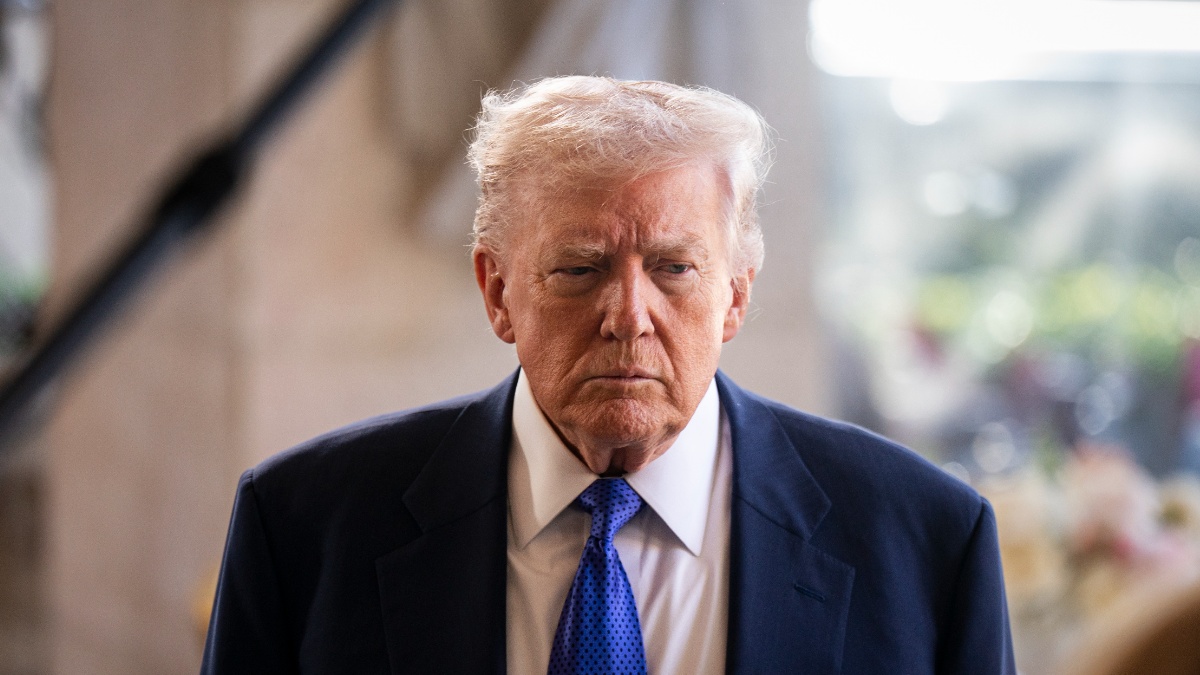

A recent study from the Federal Reserve Bank of New York has drawn sharp criticism from the White House after concluding that American businesses and consumers absorbed nearly all of President Donald Trump’s tariffs. As detailed by BBC News, the research found that about 90% of the increased tariff costs last year were paid domestically rather than by foreign exporters.
The report stated that US firms and consumers continued to bear the bulk of the economic burden from the higher import duties. Those findings directly contradict repeated claims from Trump administration officials that foreign countries would shoulder the cost.
The backlash came swiftly from Kevin Hassett, director of the National Economic Council. He publicly criticized the economists behind the study and suggested they should face consequences for their conclusions.
The White House is pushing back hard against the Fed’s findings
Hassett called the report “an embarrassment” and “the worst paper I’ve ever seen in the history of the Federal Reserve system.” He argued that the authors should “presumably be disciplined,” describing the analysis as partisan and academically unsound.
He maintained that economic data tell a different story. According to Hassett, prices have fallen, inflation has eased, and real wages rose by an average of $1,400 last year, which he said shows consumers were better off despite the tariffs.
The New York Fed declined to comment on Hassett’s remarks. However, the BBC report noted that similar conclusions have been reached by other independent researchers.
The Kiel Institute for the World Economy found what it described as near complete pass through of tariffs to US import prices. The National Bureau of Economic Research also concluded that tariff pass-through was almost 100%, indicating that US importers, rather than foreign exporters, largely absorbed the added costs.
The dispute adds to existing tensions between the Trump administration and the Federal Reserve. Previous criticism from the president has centered on interest rates, with Trump urging the central bank to lower borrowing costs more aggressively, as a Senate election overhaul bill moves through Congress.
A separate legal challenge to Trump’s global tariffs is also moving through the courts. Small businesses and several US states argue that the president exceeded his authority in imposing the measures, and the US Supreme Court is weighing the case, with a ruling potentially imminent.
At its January meeting, Federal Reserve officials voted to keep interest rates unchanged, citing signs of stabilization in the labor market. Inflation cooled last month, with declines in energy and used car prices, developments that some say could support future rate cuts. Elsewhere, Tesla Autopilot marketing changes have also drawn scrutiny from regulators.
Minutes from that January meeting showed divisions among policymakers over the appropriate path for rates this year, with some warning that inflation pressures could require tighter policy if progress toward the Fed’s 2% target stalls.







Published: Feb 18, 2026 08:15 pm