



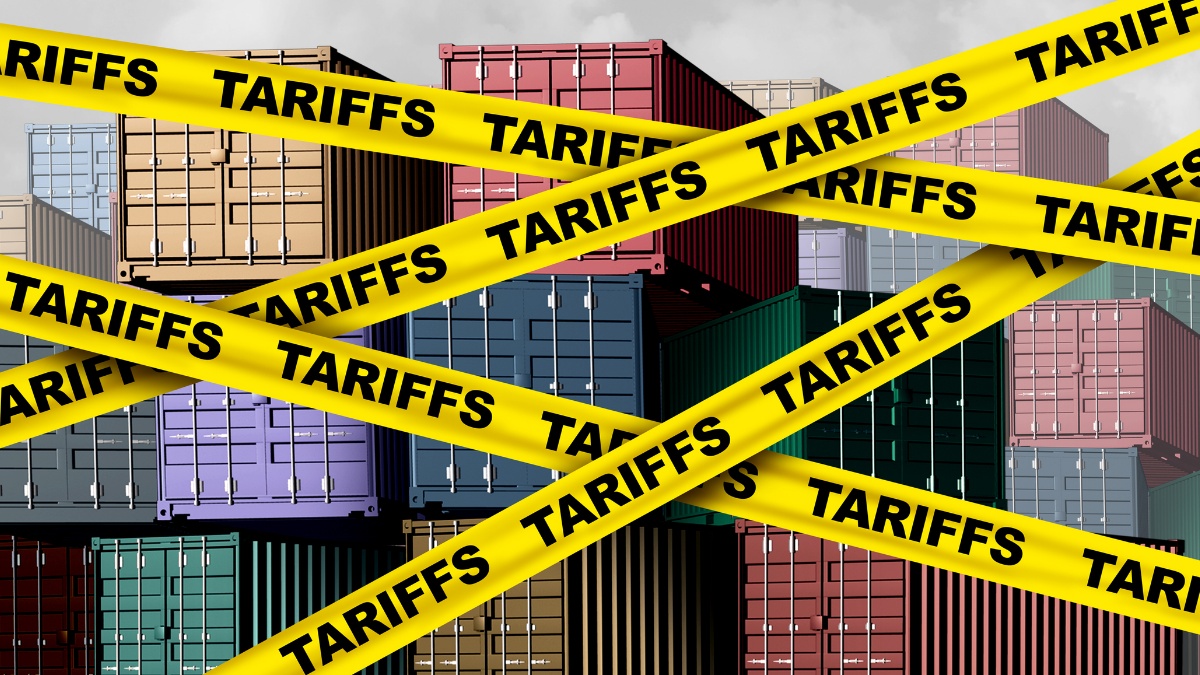

A new report from the Associated Press cites research from the JPMorganChase Institute showing tariffs paid by midsize US companies have tripled over the past year. The study suggests the higher costs are being absorbed domestically, not by foreign businesses.
The analysis focuses on “middle market” firms with revenues between $10 million and $1 billion that employ fewer than 500 people. These companies collectively employ about 48 million people, and the added tariff costs are forcing tough decisions that can include higher prices, fewer jobs, or reduced profits.
Chi Mac, business research director for the JPMorganChase Institute, described the increase as a major shift in operating costs. She also said there are signs these companies may be shifting away from transacting with China and toward other regions in Asia, pointing to potential changes in supply chains.
The cost shift is showing up in the data
Because middle market firms typically have less pricing power than major multinationals, the report argues they are less able to offset sudden increases in import taxes. At the same time, they can be agile enough to adjust sourcing when cost pressures rise.
The study notes that payments to China by these companies were 20% below their October 2024 levels. It remains unclear whether goods are being routed through other countries or whether supply chains have materially moved.
The White House pushed back on the findings. Spokesman Kush Desai called the analysis “pointless” and said it did not change the administration’s position on tariffs.
Trump defended the policy during a visit to Coosa Steel Corporation in Rome, Georgia, on February 19, 2026. He called tariffs “the greatest thing to happen to this country” and said he believed they were helping US manufacturers.
Other data cited in the report points in a different direction on trade outcomes. The Census Bureau published trade data showing the US trade deficit rose by $25.5 billion last year to $1.24 trillion.
The administration has argued tariffs benefit the economy, businesses, and workers. Kevin Hassett, who directs the National Economic Council, criticized a Federal Reserve study that found nearly 90% of the tariff burden fell on US companies and consumers, echoing a Fed tariff burden study focused on that same cost passthrough.
Trump raised the average tariff rate to 13% from 2.6% the year before, according to the report. He cited national security for some of the tariffs, including those on steel, kitchen cabinets, and bathroom vanities.
The report also says Trump declared an economic emergency in April 2025 to bypass Congress and impose a baseline tax on goods from much of the world at an event he called “Liberation Day.” Separately, a Copilot email summaries flaw has added to business concerns about unexpected costs tied to compliance and risk.
The initial rates contributed to market turmoil, after which the administration rolled back some rates and entered talks that led to new trade frameworks. The Supreme Court is expected to rule soon on whether Trump exceeded his legal authority by declaring the emergency, and the report notes economists cited estimate consumer prices are about 0.8 percentage points higher than they would have been without the tariffs.






Published: Feb 19, 2026 08:15 pm