



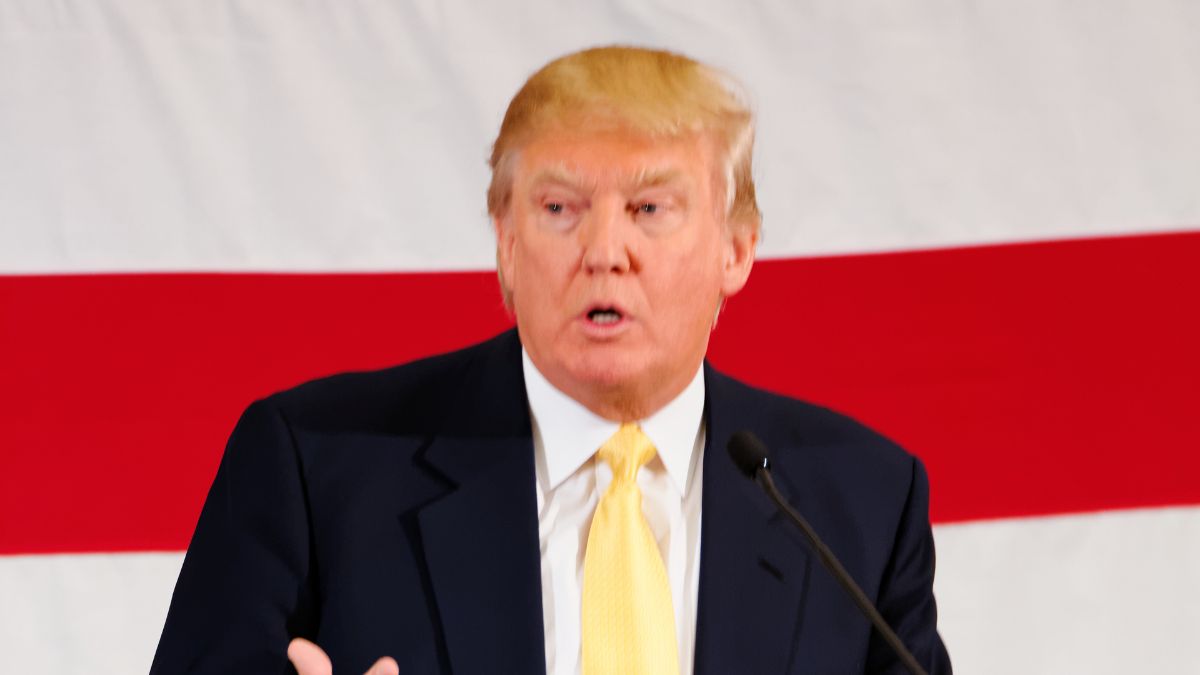

After the Supreme Court rejected his previous tariff strategy under the International Emergency Economic Powers Act (IEEPA), President Trump has shifted to a new legal tool; Section 122 of the Trade Act of 1974. Under this provision, the president can impose a maximum 15% tariff for up to 150 days, but only during a “balance-of-payments crisis.”
According to Axios, most economists say the U.S. does not meet that standard. There are no signs of a balance-of-payments crisis; no collapsing currency, no skyrocketing interest rates, and no foreign capital drying up. RSM chief economist Joe Brusuelas stated plainly that “none of these meet the standards outlined under Section 122.”
What makes this move more unusual is that Trump’s own Justice Department argued against using this very provision just last year. In a legal brief, Assistant Attorney General Brett Shumate said that Section 122 was not an appropriate legal basis for tariffs. The brief noted that trade deficits are “conceptually distinct” from balance-of-payments deficits, and that Section 122 didn’t have “any obvious application” for those concerns.
The administration is buying time while legal battles loom ahead
Despite these legal questions, courts are unlikely to make a final ruling on the legality of these tariffs within the 150-day window the law allows; especially without Congress stepping in. Trump has also been vocal about how he plans to get his tariffs back through the Supreme Court, signaling that the legal fight over trade authority is far from over.
This effectively gives the administration more time to work on other tariff strategies using more established legal tools, like Sections 232 and 301, which cover national security and unfair trade practices. Still, new legal challenges are expected. International trade lawyer Dave Townsend said, “Given the amount of money at issue for U.S. businesses, it is not hard to imagine a new wave of litigation attacking Section 122.”
Businesses are likely to seek refunds for duties paid under this authority. The White House did not comment directly on the matter but released a fact sheet on Friday. In it, the administration argued that if left unaddressed, these fundamental international problems can endanger U.S. economic and national security.
The administration is clearly aware of the high stakes involved, even as the legal justification for using Section 122 remains heavily debated among legal and economic experts. Trump’s trade moves are unfolding alongside broader foreign policy efforts, including his $10 billion pledge at the Peace Board, where plans beyond Gaza remain unclear.
This situation signals that the White House is willing to push the boundaries of executive authority on trade, even when the legal ground is shaky, and even when its own lawyers previously advised against the approach being used.




Published: Feb 24, 2026 02:45 pm