



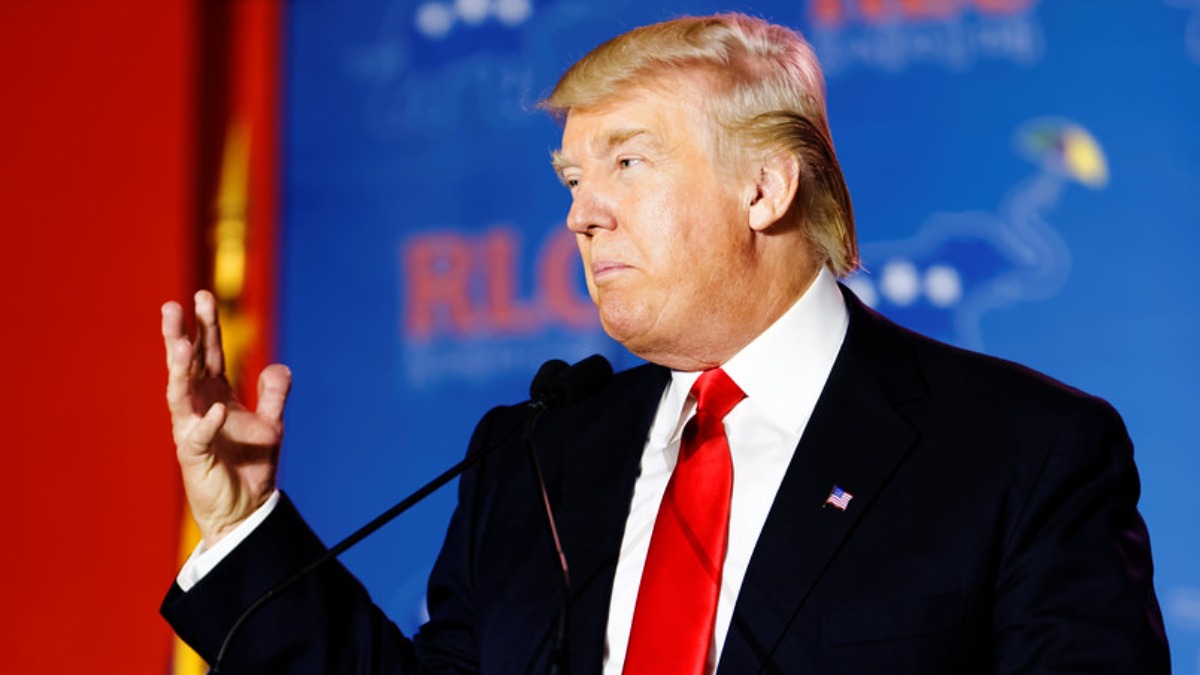

The Trump administration is reportedly in a full panic over rapidly rising oil and gas prices, even as President Trump publicly dismisses the increases as “a very small price to pay.” This internal alarm comes after senior aides were caught off guard by the scale and persistence of the market reaction following the conflict with Iran.
Just over a week into the war, oil prices are hovering near $100 a barrel, sometimes nearing $120 a barrel, a level not seen since 2022. This surge has led to a 51-cent-per-gallon jump in the national average for gas prices over the last week. The conflict between the US, Israel, and Iran has essentially cut off oil shipments through the Strait of Hormuz, disrupting about 20% of the world’s oil supply, as few shipping firms are willing to risk their tankers.
According to CNN, while President Trump posted on Truth Social on Sunday calling the rising prices “a very small price to pay” and declared “ONLY FOOLS WOULD THINK DIFFERENTLY!”, his administration is working hard to manage the fallout.
The administration is quietly exploring drastic measures, including price controls and market intervention, as voter concern grows
White House spokeswoman Taylor Rogers called the surge a “short-term change” that will “drop dramatically once the objectives of Operation Epic Fury are achieved,” and insisted Trump and his team had a “strong game plan” for energy markets before the operation began.
Behind the scenes, officials are deeply concerned that this crisis could hurt President Trump with voters already worried about the cost of living, as well as cause wider economic damage. Energy Secretary Chris Wright, Treasury Secretary Scott Bessent, and Interior Secretary Doug Burgum, along with the White House’s National Energy Dominance Council, have been leading efforts to find solutions.
The administration is also navigating a broader set of global tensions, and the expiry of the last US-Russia nuclear treaty is adding further pressure on Washington’s foreign policy front. Officials spent the weekend and Monday developing a wide range of options to calm financial markets and limit the impact on US gas prices.
These include easing Jones Act restrictions to boost domestic oil flow and loosening other regulations that might slow price increases. More aggressive steps are also being considered, including potential new restrictions on US exports, price controls, and direct Treasury Department intervention in oil futures markets.
Deploying the US Strategic Petroleum Reserve, initially ruled out, is now being discussed as a possible option, though there is still strong reluctance to use it. Trump has previously criticized former President Biden for depleting the SPR for political purposes.
Despite these efforts, energy experts remain doubtful. Neil Atkinson, a longtime energy analyst, said these options are likely to have only “marginal benefit” and will not make up for the loss of as many as 20 million barrels of oil a day that normally pass through the Strait.
The administration has floated the idea of military escorts through the Strait, and Trump mentioned in a Monday interview that his team is “thinking” of taking over the Strait. Meanwhile, some Republican lawmakers are pushing back on Trump’s foreign policy approach on other fronts as well. Atkinson stressed that “The oil market is massively short of supply,” and experts broadly agree that ending the war quickly is the only real way to stabilize oil markets.









Published: Mar 10, 2026 05:45 pm