



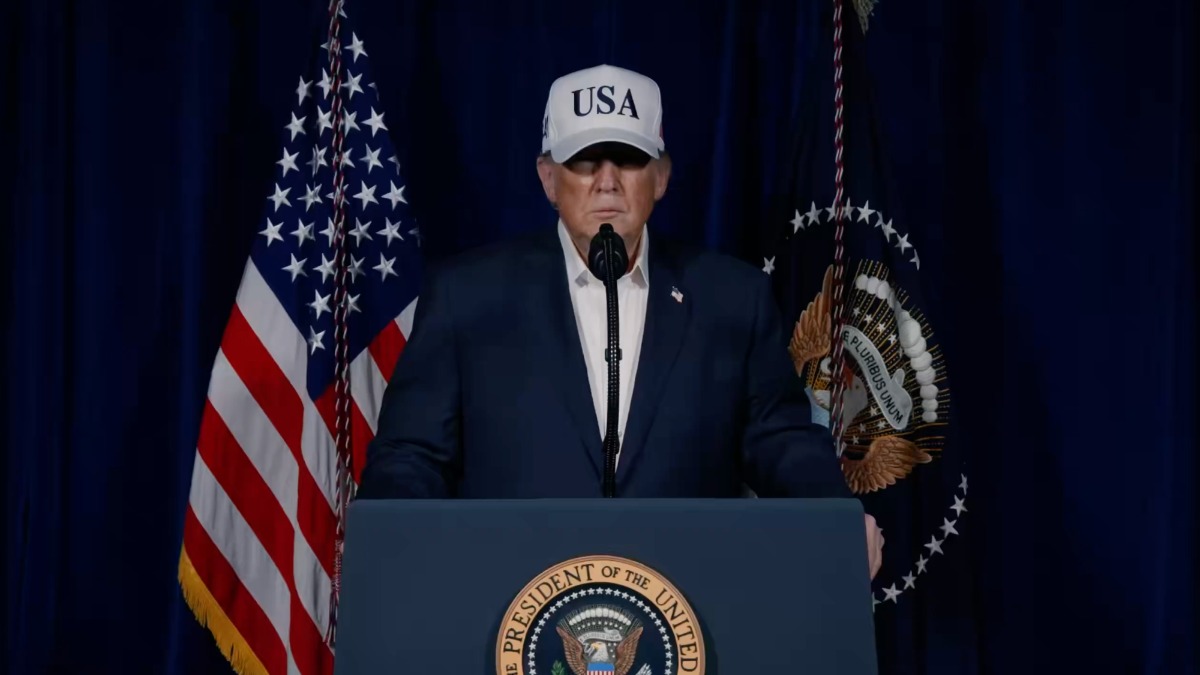

Potential peace talks between the United States and Iran hit a sudden twist this weekend after President Donald Trump announced that he received a new proposal from Tehran just 10 minutes after he canceled a planned diplomatic mission.
According to The Hill, Trump revealed this to reporters on Saturday, before boarding Air Force One. According to him, the first document from the Iranian side fell short of expectations, but the follow-up proposal was much better.
Trump explained his decision to cancel the trip for his envoys, Steve Witkoff and Jared Kushner, by pointing to the long travel time involved. He said he told his team they were not going to make an 18-hour flight to sit around and talk about nothing. The administration is now moving away from in-person meetings, with communication set to happen strictly over the phone.
The confusion around this diplomatic outreach shows how far apart both sides still are
Trump maintained a firm position, saying the United States holds all the cards in these negotiations. He added that if Iranian leadership wants to talk, they can call the U.S. at any time, but lengthy travel for diplomatic sessions that produce no results is currently off the table.
This cancellation came after a period of confusion and conflicting reports. Iranian Foreign Minister Abbas Araghchi had been in Islamabad to meet with Pakistani officials, including Prime Minister Shehbaz Sharif and Army chief Field Marshal Asim Munir.
While there, Araghchi posted on X that he had shared Iran’s position on a workable framework to permanently end the war, and that he had yet to see if the U.S. is truly serious about diplomacy. There was a clear disconnect between the two sides. White House press secretary Karoline Leavitt had previously stated that the delegations would engage in direct talks, a claim that was rejected by Iranian foreign ministry spokesperson Esmaeil Baqaei.
Baqaei clarified on social media that no meeting was planned between Iran and the U.S., and that Iran’s position would instead be conveyed through Pakistani mediators. This development came just days after Trump was rushed out of the White House Correspondents’ Dinner following a security incident.
The logistics of the Iranian delegation’s travel added more complexity to the situation. While Araghchi had left Islamabad, Iranian state-run media reported he was scheduled to return after a trip to Oman. According to Al Jazeera, part of his delegation had also returned to Tehran to receive new instructions, with plans to rejoin him in Islamabad on Sunday night.
The stakes remain very high, particularly around the Strait of Hormuz. About one-fifth of global oil and liquefied natural gas shipments pass through this waterway, and the ongoing standoff is causing serious disruption in energy markets.
Iran’s Islamic Revolutionary Guard Corps has said it has no plans to stop its effective blocking of the strait. Trump has publicly claimed the waterway is open, but Iran’s conditions for keeping Hormuz open tell a very different story. Adding to the tension, the Iranian embassy in South Africa posted online that Tehran is prepared to launch the largest missile strike in history against Israel and U.S. bases in West Asia if provoked.
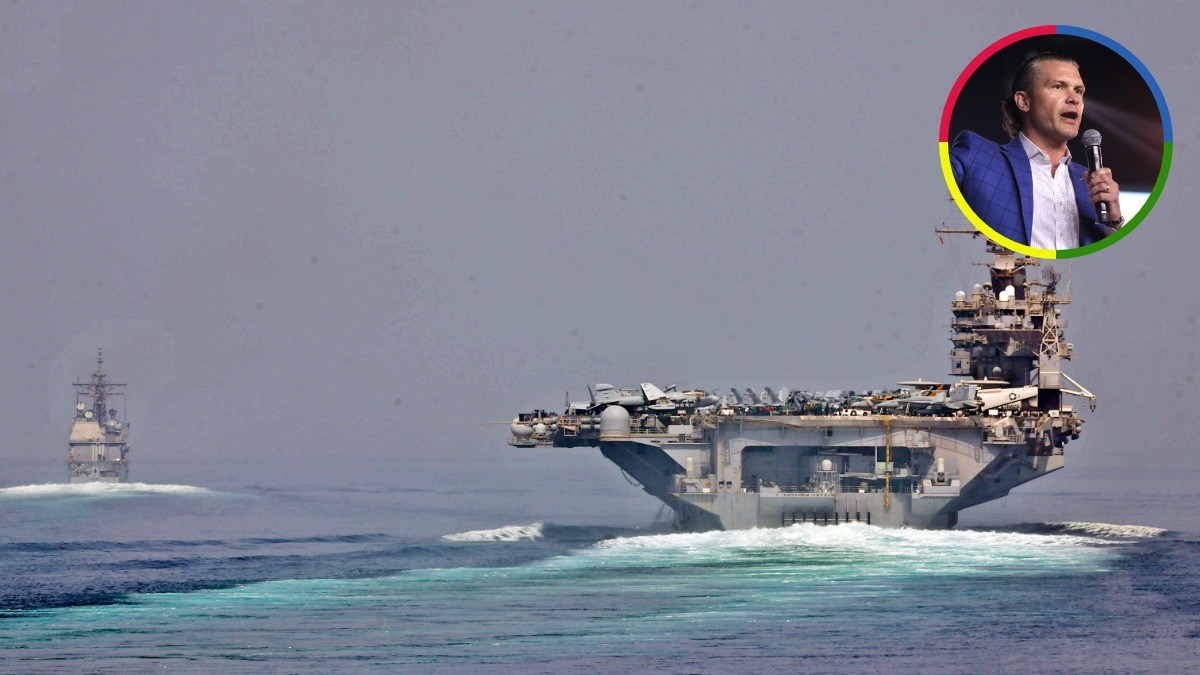
When asked by reporters whether the cancellation of the envoy trip meant a return to hostilities, Trump said that it does not mean that and that the administration had not thought about it yet. For now, the administration appears committed to a high-pressure negotiation strategy, relying on the U.S. naval blockade and the presence of more than 50,000 troops in the region to maintain leverage. Whether Iran’s new proposal leads to a breakthrough remains to be seen.




Published: Apr 26, 2026 01:45 pm