



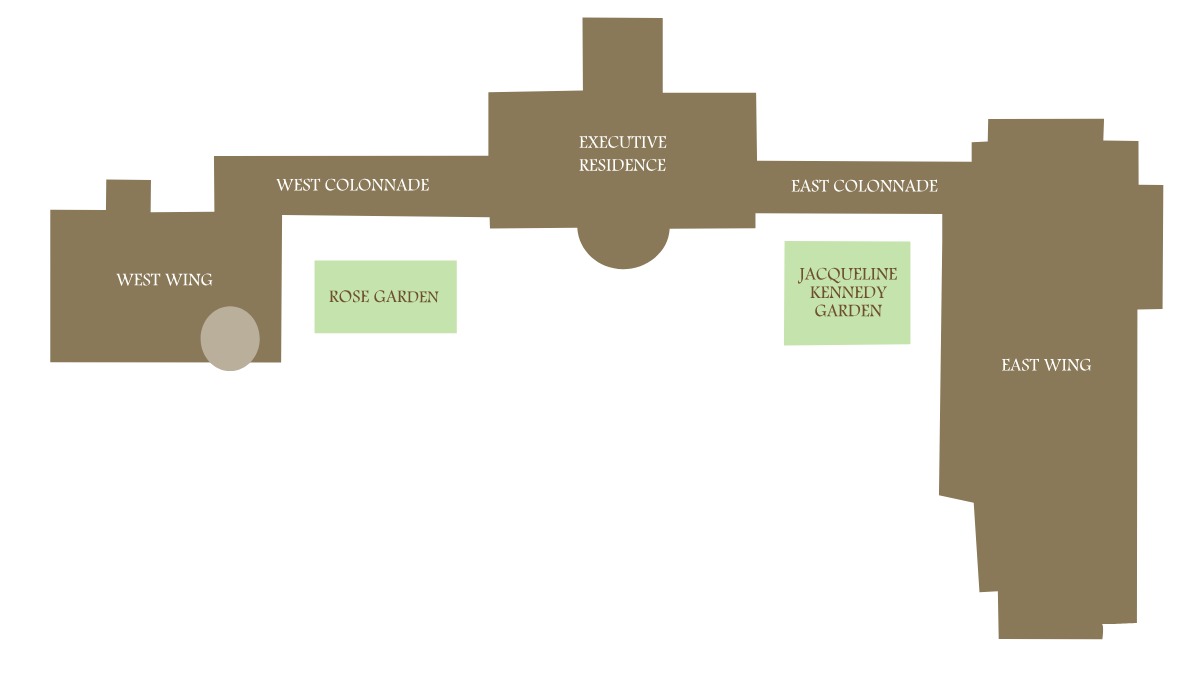

Sen. Rick Scott (R-FL), a longtime ally of President Donald Trump, has come out against his own party’s push to use taxpayer money to fund a new White House ballroom. The project carries a total price tag of $500 million and has already drawn significant resistance from within the Republican Party itself, making it one of the more divisive proposals to emerge from the current administration.
The proposal has been controversial since the beginning, with critics raising concerns about transparency, design, and the potential cost to taxpayers. The project has also drawn sharp criticism for the demolition of the East Wing, which was carried out without proper approval from Congress. That decision alone has prompted calls for greater oversight of how the White House is managing the construction process.
Not all Republicans oppose public funding for the project. Sens. Lindsey Graham (R-SC) and Katie Britt (R-AL) have both supported using taxpayer money, with Graham arguing the ballroom is necessary for national security reasons, reports Mediaite. He pointed to the need for a larger and more secure facility on the White House complex that can accommodate the president, the vice president, members of the Cabinet, and large numbers of guests at once.
Republican opposition to the ballroom project is growing, and the numbers may not add up
Scott has been firm in his position against using public funds. In an interview with NBC News, he said, “I don’t know why you would do it, if it’s all funded” with private money. He added, “We have $39 trillion of debt. Maybe we ought to stop spending money.” His comments reflect a broader concern among a section of the Republican Party about fiscal responsibility and the national debt.
Sens. Josh Hawley (R-MO) and Rand Paul (R-KY) have also pushed back against using public funds for the project. Hawley raised concerns about the legal implications of the proposal, questioning whether the funding mechanism being considered was even permissible.
Paul, on the other hand, argued that Trump has already raised sufficient private money to cover the costs, making the use of taxpayer funds unnecessary. Graham, meanwhile, had previously cited the shooting incident at the White House Correspondents’ Dinner as part of his national security argument for why the ballroom is needed.
For the bill to pass the Senate, it would need 60 votes to clear the chamber, according to NBC News. However, with Democrats remaining firmly and unanimously opposed to the project, and a growing number of Republicans also expressing reservations, reaching that threshold appears very unlikely at this stage. The bill only requires a simple majority to pass initially, but the 60-vote threshold for the Senate presents a much bigger obstacle.
White House spokeswoman Karoline Leavitt defended the project strongly, saying, “The White House ballroom project is not just a fun project for President Trump… it is actually critical for our national security that a larger, secure building on this complex, which is the most secure complex in the world, is built to accommodate not only large amounts of guests, but also the president, the vice president, members of the Cabinet.”
Trump has also been making headlines on other policy fronts, including his warnings about the future of U.S. Olympic teams as debates over collegiate sports regulations continue to unfold. Critics, however, remain unconvinced by the national security justification. They argue that the project is an expensive and unnecessary use of public money, and that it prioritizes the president’s personal vision over the financial needs of the country.
With the national debt already at $39 trillion, opponents say this is not the time to be directing public funds toward a construction project that could be privately financed. The divisions within the Republican Party over this issue are significant. While some members are willing to back the president’s request, others are clearly drawing a line when it comes to spending taxpayer money on a project that many believe should be funded privately.








Published: Apr 28, 2026 11:45 am