



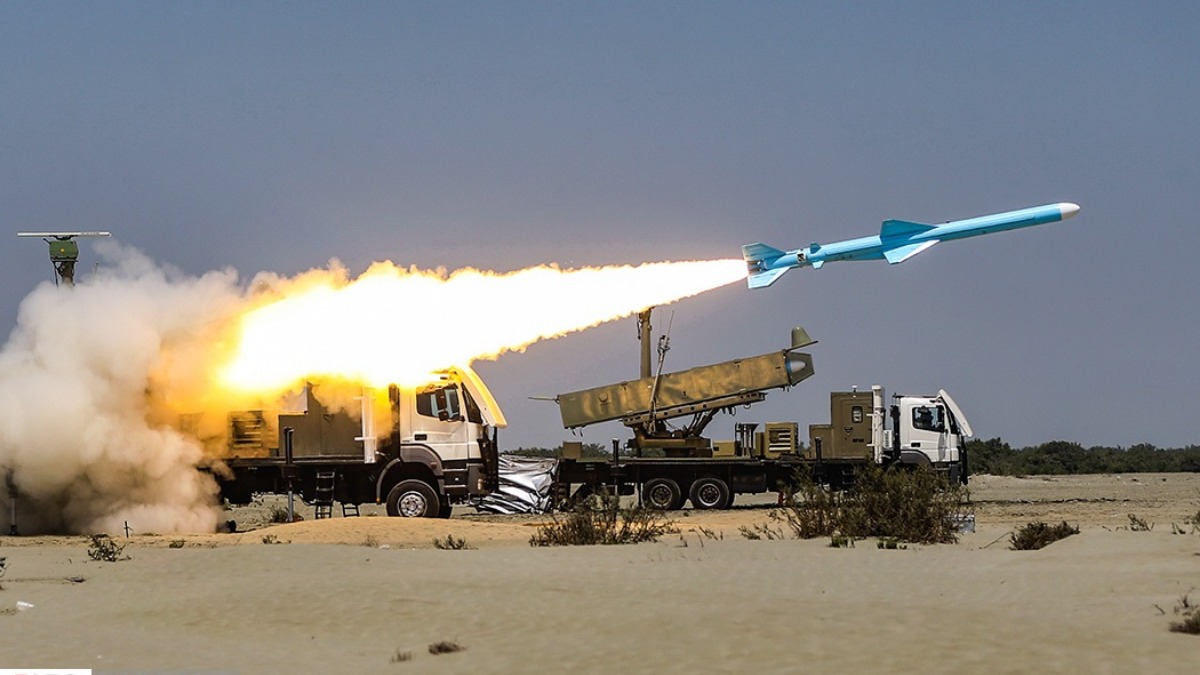

Iran launched a barrage of missiles and drones at the United Arab Emirates, targeting the country’s energy infrastructure and wounding three Indian nationals. It was the first attack on the UAE since Iran and the United States agreed to a ceasefire on April 8.
The UAE’s Ministry of Defense said its air defenses engaged 12 ballistic missiles, three cruise missiles, and four drones launched from Iran over the course of the day, reports Al Jazeera. The country’s Ministry of Foreign Affairs condemned the attacks, calling them “renewed terrorist, unprovoked Iranian attacks targeting civilian sites and facilities in the country.”
“This is a clear indication that the Iranian regime is not committed to the ceasefire,” said a spokesperson for the UAE Ministry of Foreign Affairs. “We will not tolerate any threat to our security and sovereignty, and we reserve the right to respond to these attacks.”
Iran denied responsibility, but the strikes sparked fires, injured workers, and shut down schools across the country
Iran denied the UAE’s accusations, with a state broadcaster quoting a military source as saying that Iran had “no pre-planned programme to attack the mentioned oil facilities.” The source blamed the incident on “US military adventurism aimed at creating a passage for the illegal transit of ships through the restricted waterways of the Strait of Hormuz.”
The attacks began after Iranian media reported that the Islamic Revolutionary Guard Corps had blocked US warships from entering the Strait of Hormuz. The UAE then announced that Iran had launched two drones at a tanker affiliated with its Abu Dhabi National Oil Company (ADNOC) passing through the strait.
UAE presidential adviser Anwar Gargash condemned the attack on the tanker as “maritime piracy,” while ADNOC said no one was injured and the vessel was not loaded. An Iranian drone later sparked a large fire at the Fujairah Petroleum Industries Zone in the eastern emirate of Fujairah, where three Indian nationals were moderately injured.
Dubai-based journalist Natasha Turak described the public mood: “We heard the first missile alert ringing out over our phones for the first time in nearly a month since that shaky ceasefire was established. And I would say people here are feeling a lot of dismay, anger, frustration, but they are not entirely surprised.”
Turak explained the lack of surprise by pointing to the unresolved tensions between the US and Iran. “That’s primarily because the key drivers of this war and the main sticking points between the US and Iran have not yet been resolved,” she said. The UAE’s Ministry of Education announced distance learning for all public and private schools nationwide through Friday, citing the need to ensure “the safety and wellbeing of the educational community.”
The attacks drew swift condemnation from across the world. Saudi Arabia and Qatar expressed full support for any measures the UAE takes to “preserve its sovereignty, security and territorial integrity.” Kuwait denounced Iran’s “reprehensible aggression,” while Bahrain called the strikes “a dangerous escalation that threatens the security and stability of the region.”
Canada, Germany, and the United Kingdom also condemned Iran and urged Tehran to return to negotiations. European Union President Ursula von der Leyen said the strikes were “a clear violation of sovereignty and international law,” adding that “security in the Gulf region has direct consequences for Europe.”
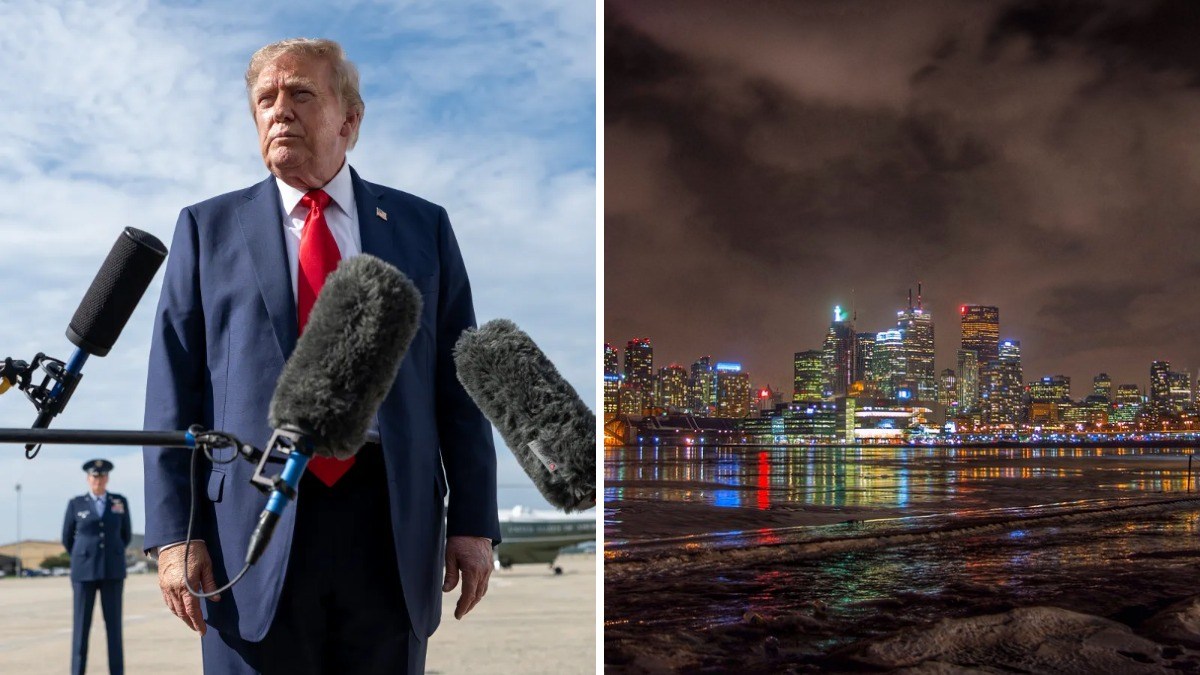
US President Donald Trump, however, stopped short of calling the strikes a ceasefire violation, according to The Times of Israel. When asked by ABC News whether the Iranian attacks broke the truce agreed last month, Trump downplayed the strikes. “Not heavy firing,” he said. “They were shot down for the most part.” This is not the first time Trump has made a puzzling on-camera admission, he recently admitted the US lost track of its own weapons after sending them to arm Iranian protesters.
When pressed again on the ceasefire question, Trump responded, “We’ll let you know… I’m looking into it.” He also warned that Iran “better hope [the ceasefire] remains in effect,” adding, “The best thing that can happen to them is that we keep it in effect.” Trump has been facing scrutiny on multiple fronts lately, his acting Attorney General recently revealed months of unseen Comey case evidence that goes well beyond a single Instagram post.






Published: May 5, 2026 10:00 am