



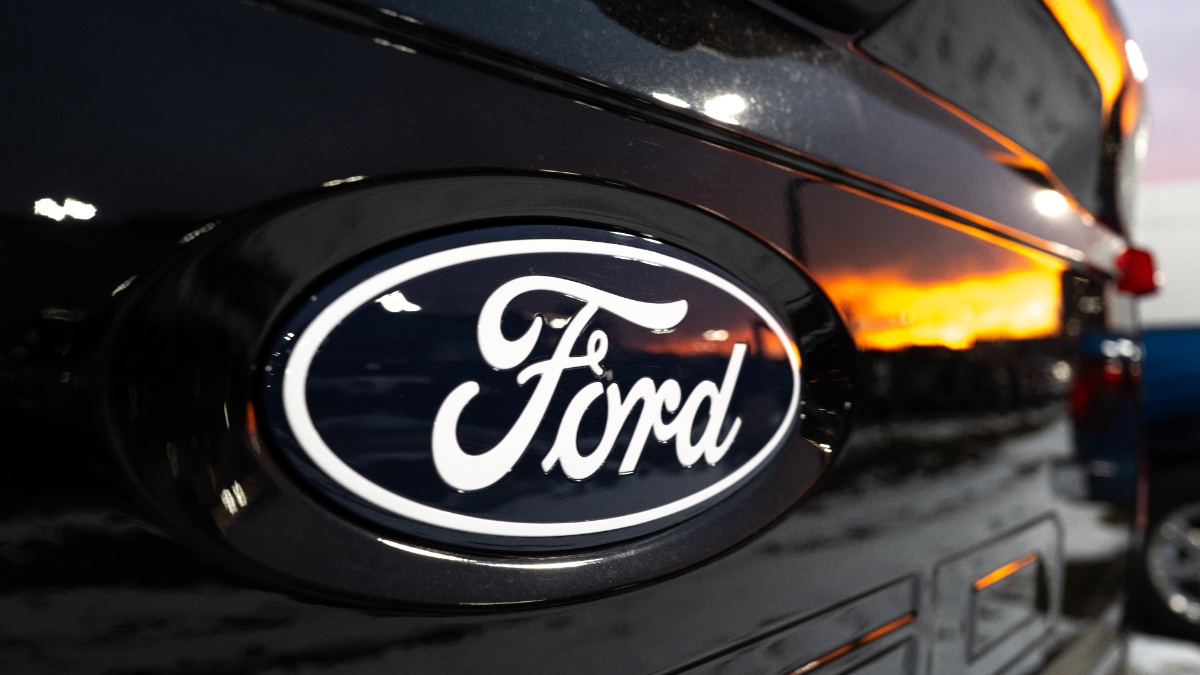

Ford Motor Co. is slamming the brakes on its aggressive electric vehicle plans, confirming it has lost a staggering $13 billion on EVs since 2023 and expects to take a total $19.5 billion financial hit largely in the fourth quarter, as per AP News. This massive financial correction is forcing the Detroit automaker to pivot away from full electrification and focus instead on more efficient gasoline engines and hybrid technology, signaling that the immediate EV takeover dream is officially stalled.
The biggest casualty of this strategic shift is the F-150 Lightning. Ford confirmed that it will stop making the all-electric pickup truck entirely, instead opting for an extended-range hybrid version of the vehicle. This is a huge, symbolic move, especially since the Lightning was supposed to be the company’s electric standard-bearer in the crucial truck market.
The changes go much deeper than just one model, though. Ford is completely restructuring its key manufacturing future. The Tennessee Electric Vehicle Center, which was supposed to be the beating heart of Ford’s EV and battery production at the BlueOval City campus, is being renamed the Tennessee Truck Plant. This facility will now produce new, affordable gas-powered trucks instead. Meanwhile, the Ohio Assembly Plant will shift its focus to producing a new gas and hybrid van.
CEO Jim Farley tried his best to spin this colossal failure as a positive, customer-driven move
Farley said this is a “customer-driven shift to create a stronger, more resilient and more profitable Ford.” He argued that the “operating reality has changed,” meaning Ford is redeploying capital into “higher-return growth opportunities,” such as its market-leading trucks, vans, and new battery energy storage business. Honestly, calling a $19.5 billion expected loss a “customer-driven shift” is absolutely bizarre. It feels like a desperate attempt to frame a massive financial correction as a strategic decision.
So, what’s the new plan? Ford now expects that by 2030, half of its global volume will be hybrids, full EVs, and extended-range EVs. This new goal represents a huge jump from the 17% target the company had this year. It shows that while full electric might be stalled, the market is definitely ready for vehicles that bridge the gap using hybrid and extended-range technology.
Other than the cost factor and the issue with public charging infrastructure, the slow adoption of EVs has been exacerbated by political shifts. President Trump has actively moved U.S. policy away from the aggressive EV targets set previously. Unlike the EU, which has stood strong on its decision to ban the sale of new gasoline and diesel cars, Trump has eliminated EV tax credits and proposed weakening emissions and gas mileage rules. The tariff wars also reportedly played a part in this.
Sam Fiorani, a vice president at AutoForecast Solutions, pointed out that the cancellation of the electric F-150 Lightning was inevitable because the truck simply wasn’t filling the plant’s capacity. He believes that the combination of slow public EV adoption and the Trump administration’s softer stance on emissions has pushed every automaker to reconsider their immediate direction. Electric vehicles are still the future, Fiorani said, but the transition was always going to take longer than we were promised.




Published: Dec 16, 2025 03:00 pm