



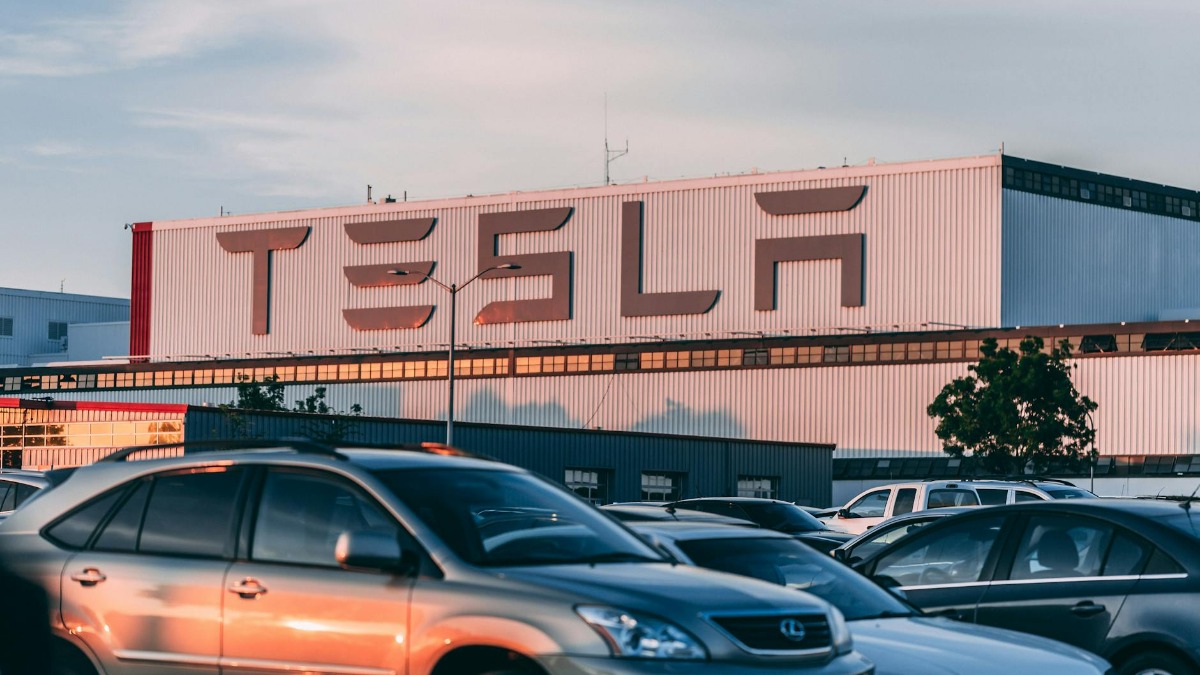

Tesla has finally confirmed what many have suspected, admitting that its much-hyped robotaxis are sometimes driven remotely by human operators, as reported by Wired. This revelation came in a letter sent to Senator Ed Markey of Massachusetts, shedding new light on the “Full Self-Driving” (FSD) system.
Karen Steakley, Tesla’s director of public policy and business development, detailed the company’s redundancy measures in her letter to Senator Markey. She explained that remote assistance operators are authorized to temporarily take direct control of a vehicle, but only as a “final escalation maneuver” when all other intervention actions have been exhausted.
In these specific, rare situations, operators can take over a Tesla robotaxi when it’s moving at speeds of around 2 MPH or less. Once they have control, they can drive the car at up to 10 MPH, provided the software allows it. Steakley noted that this capability helps Tesla quickly move a vehicle if it finds itself in a compromising position.
This admission comes as part of a broader investigation by Senator Markey into self-driving vehicle technology
He’s been pushing autonomous-vehicle (AV) developers for more transparency, and a series of letters from companies like Tesla, Amazon-owned Zoox, and Uber- and Nvidia-funded Nuro have started to illuminate the human element behind these futuristic cars. All the companies that responded to the senator’s office confirmed they use remote assistants. These human operators are crucial backstops for AVs, stepping in when the software gets confused, stuck, or faces an emergency.
However, Senator Markey believes the information shared so far isn’t enough. In a report also released on Tuesday, he stated that every AV company “refused to disclose how often their AVs require assistance from [remote assistants].” He called this a critical omission, hiding key information from the public about the true level of autonomy these vehicles possess.
Markey emphasized that this data is essential for lawmakers, regulators, and the public to truly understand the potential safety risks associated with AVs. He’s now calling on the nation’s top federal road safety regulator to delve deeper into these remote assistance programs and plans to introduce legislation addressing the “safety gaps” his investigation uncovered.
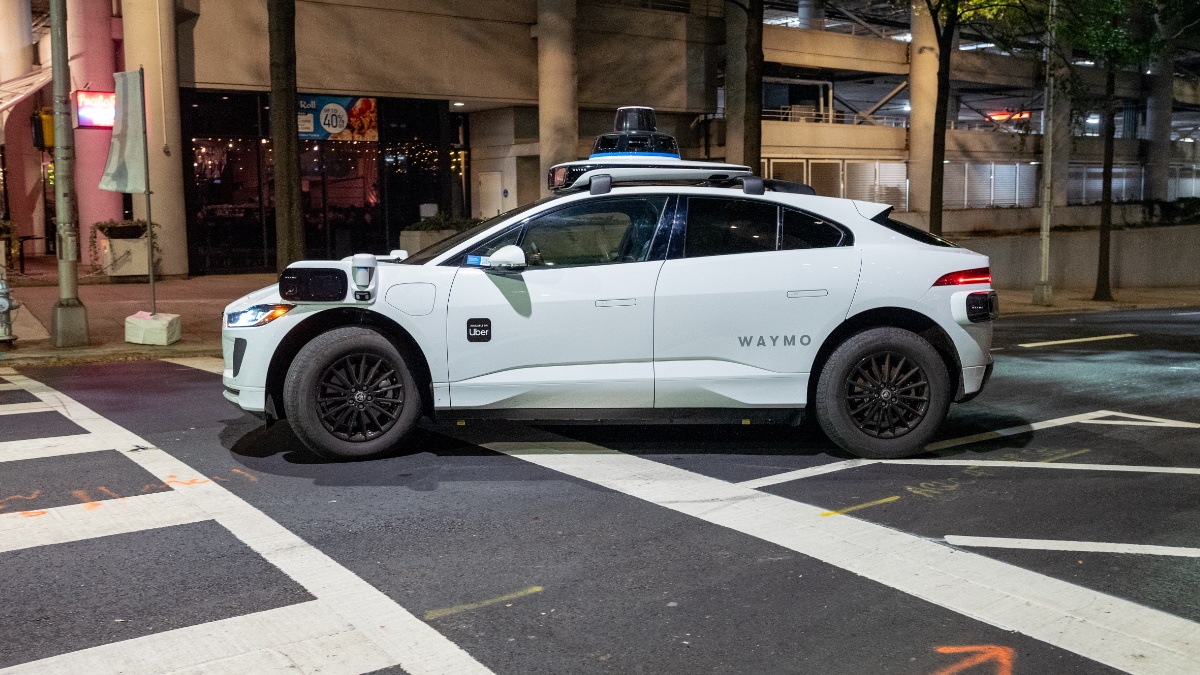
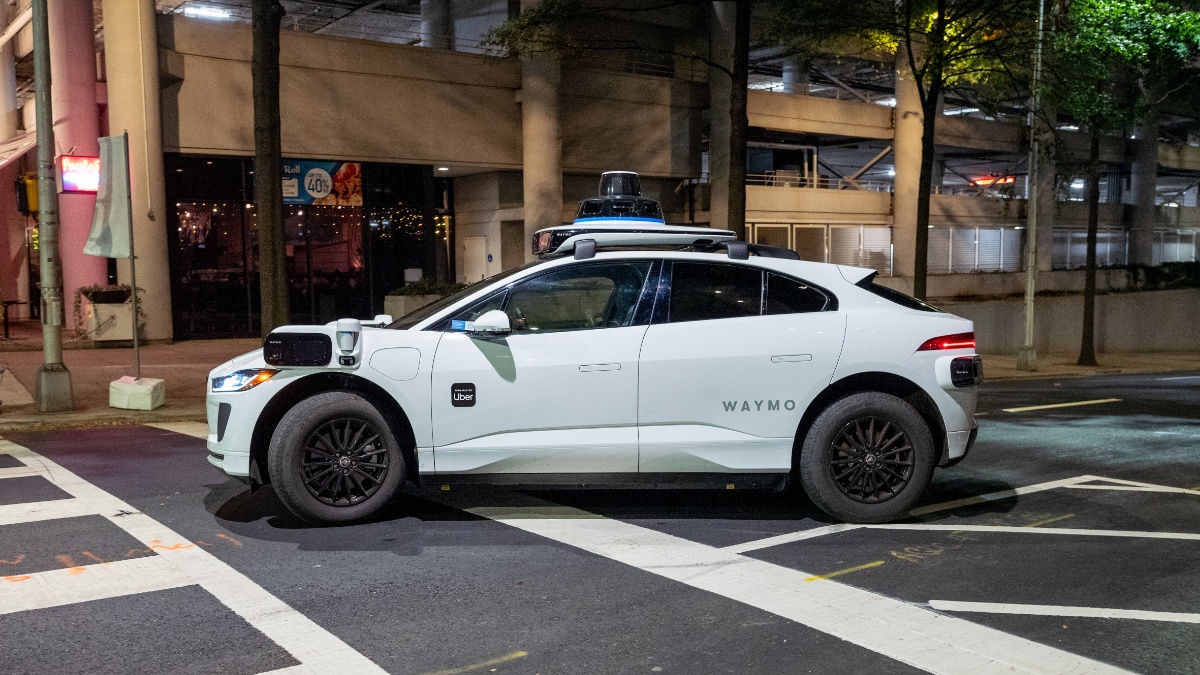
What really makes Tesla an outlier here is that direct remote control. Most other firms involved in the senator’s investigation, including Waymo, were quick to point out that their remote assistance workers never actually drive the vehicles directly. Instead, these human helpers, who work across the US and even in places like the Philippines for Waymo, provide input and context that the autonomous vehicle software then processes and decides whether to use.
Waymo, for instance, says its remote assistance agents “provide advice and support to the Waymo Driver but do not directly control, steer, or drive the vehicle.” They have at least 70 assistants monitoring some 3,000 robotaxis across 10 US cities at any given time.
The industry generally shies away from direct remote operation for some pretty good reasons. Technical limitations, like latency, can be a real problem. Even a delay of a few hundred milliseconds between what a remote assistant sees and what’s happening on the road in real time can significantly slow down reaction times and increase the potential for accidents. Plus, the limited perspective from a robotaxi’s sensors can make it incredibly difficult to drive them safely from a distance.
As one self-driving vehicle engineer put it last year, your ability to drive a car without being in it “is only as stable as the internet connection that connects you to it.” There’s also the concern that a self-driving car that relies on human intervention, even occasionally, might not be truly capable of operating safely without that human backup.
Tesla’s approach to self-driving has always been a bit different, though. While competitors often use a mix of radar and other sensors, Tesla has focused exclusively on cameras for its FSD system. The company has also faced its share of scrutiny, including a probe by the US National Highway Traffic Safety Administration in October 2025 following a number of high-profile crashes linked to FSD.
The company launched its robotaxi service in Austin, Texas, in June 2025. Initially, this service operated in a limited capacity, with human safety drivers still sitting in the driver’s seat, ready to intervene if necessary. However, Tesla is reportedly also testing rides in the same area without safety drivers present. This is likely where the need for remote operators to step in becomes even more critical. Tesla states that its remote assistants are based in Austin and Palo Alto, California.

Published: Apr 1, 2026 07:45 pm