




Buying a car has never been cheap, but mechanics say the real financial pain often shows up years after the paperwork is signed. Several popular luxury vehicles may look impressive in the driveway, yet quietly drain owners’ bank accounts through frequent and costly repairs. With prices already high across the market, some experts say shoppers need to think far beyond the showroom.
The issue came to light after Daily Dot pointed out that the mechanics at AccurateAuto went viral for calling out vehicles they believe quickly become “instant money pits.” Their warnings were based on what they see repeatedly in the shop, not brand loyalty or online stereotypes. The goal, they said, was to help buyers understand long-term ownership costs before committing.
The mechanics pointed to three major brands they say consistently rack up expensive repairs at relatively low mileage. While these vehicles often carry strong reputations and luxury appeal, the shop argues that material choices and engineering decisions make them far more costly to maintain than buyers expect, especially as broader car ownership costs continue to climb across the industry.
This was not the kind of advice luxury shoppers want to hear
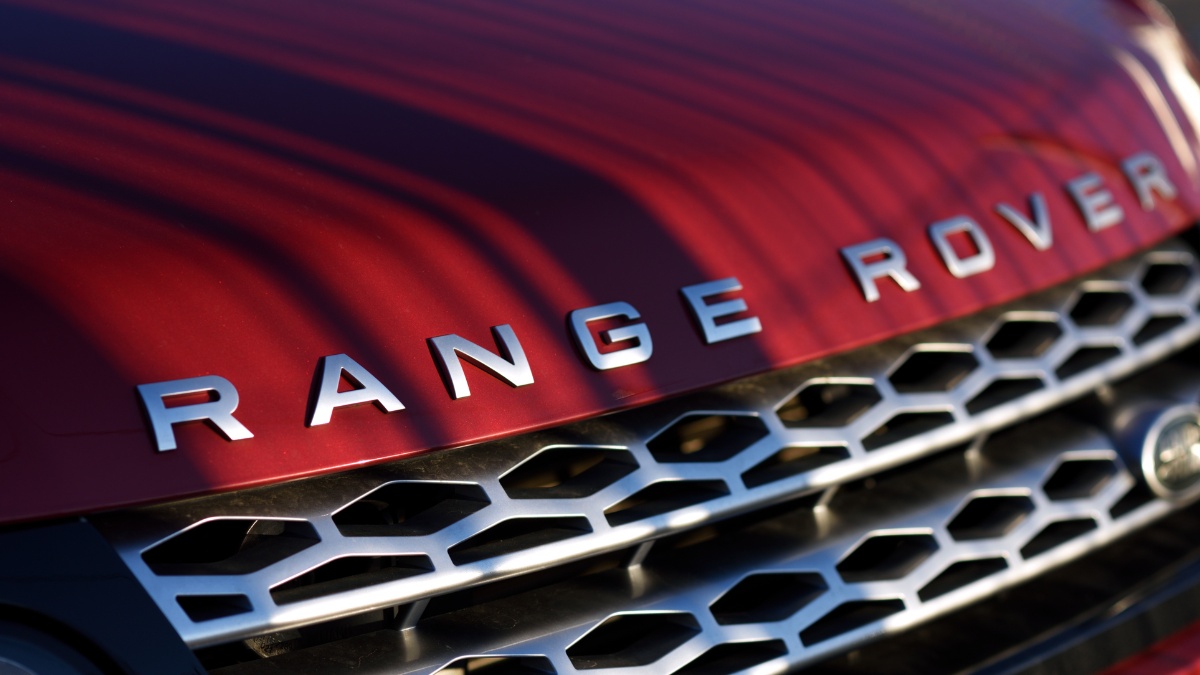
At the top of the list were Land Rover and Range Rover models, which the mechanics criticized for excessive use of plastic components. They explained that plastic parts tend to crack and fail under engine heat, especially in heavier vehicles. One common issue they see involves control arm bushings, which often struggle to support the vehicle’s weight and can require major repairs as early as 40,000 miles. For used buyers, the mechanics stressed that a detailed service history is essential.
BMW was flagged for similar reasons. According to the shop, these vehicles also suffer from plastic-heavy construction that leads to “dramatic issues at young mileage.” While BMWs are known for performance and styling, the mechanics said repair frequency and cost often surprise owners. The long-running joke that BMW stands for “break my wallet,” they noted, reflects what many drivers experience after the warranty period ends.
Cadillac rounded out the list, though for different reasons. The mechanics warned specifically about the CTS and ATS models, citing serious transmission problems. They also highlighted oil valve control issues in the CTS that can destroy the engine around 60,000 to 70,000 miles. They emphasized that these are not minor fixes but failures that can total the vehicle financially.
These concerns come as consumers are already reassessing long-term value in the auto market. It is particularly highlighted after shifts like Tesla losing its EV crown to a new rival underscored how quickly brand perception and ownership costs can change.
Online reactions to the mechanic’s comments were mixed. Some owners immediately agreed, with one Range Rover driver confirming the assessment and another noting repeated unscheduled dealer visits during a lease. Others pushed back, sharing stories of trouble-free ownership well past 100,000 miles. The frustration echoed broader consumer backlash seen in other areas of travel and transportation, such as when travelers recently reported unexpected fees appearing on airport receipts.
The mechanics clarified they were not attacking the brands themselves, only sharing what they see daily.



Published: Jan 6, 2026 05:00 am