



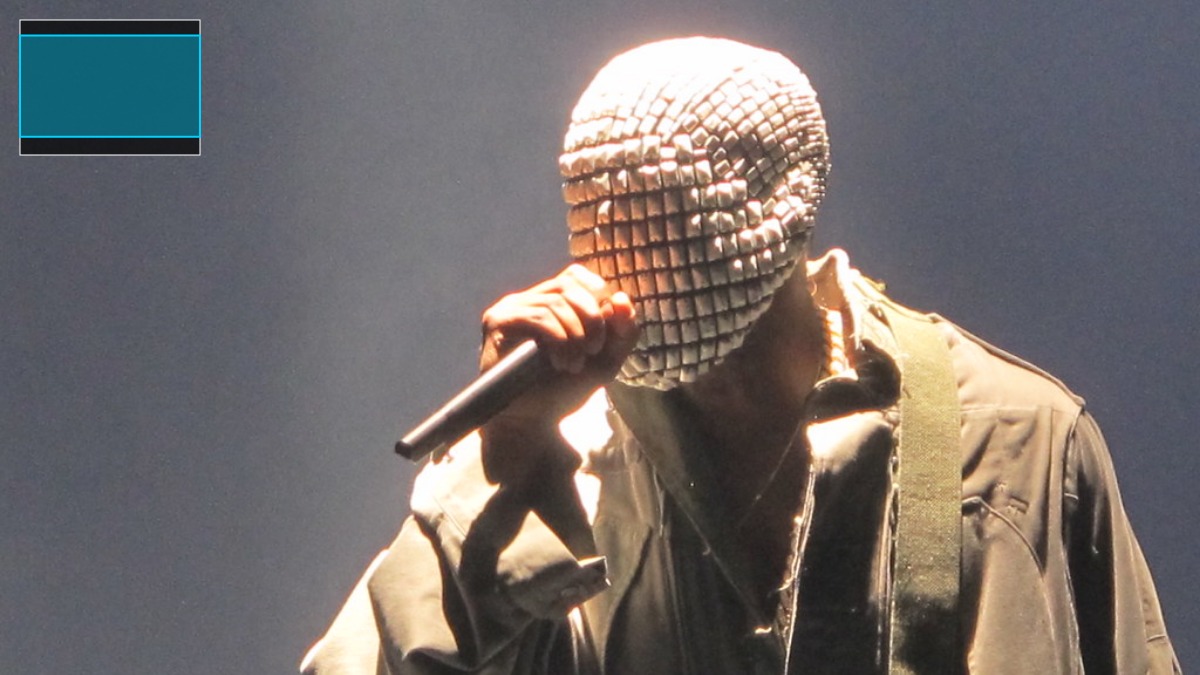

Pepsi has officially announced its decision to pull out as the main sponsor for the Wireless Festival in London this summer, as reported by the BBC. This move comes hot on the heels of the news that Kanye West, now known as Ye, is slated to headline the three-day music event. Pepsi had the festival marketed as “Pepsi presents Wireless.”
The withdrawal by Pepsi isn’t happening in a vacuum; it’s directly linked to the widespread criticism Ye has faced over his antisemitic comments and actions in recent years. While he did issue an apology in January, the controversy clearly hasn’t faded, especially with his planned return to the UK stage.
Beyond Pepsi, other major brands are also rethinking their involvement. Drinks giant Diageo, which owns popular brands like Johnnie Walker whisky and Captain Morgan rum, has also withdrawn its support for the festival “as it stands.” A spokesperson for Diageo confirmed this, stating, “We have informed the organisers of our concerns and as it stands, Diageo will not sponsor the 2026 Wireless festival.”
It seems like a clear signal from these corporate giants that they’re not comfortable being associated with the event with Kanye West in it
As of Sunday evening, if you visited the Wireless festival website, you’d still see Pepsi, Johnnie Walker, and Captain Morgan listed as partners. However, there was a section dedicated to partner details that seemed to have been taken offline, displaying an error message that simply read: “There’s nothing to see here.” This suggests the festival organizers are actively dealing with the fallout, even if the websites are yet to be updated.
The booking of Ye as a headliner has sparked significant concern among political figures in the UK. Prime Minister Sir Keir Starmer voiced his deep concerns, noting that Ye had been booked “despite his previous antisemitic remarks and celebration of Nazism.” Sir Keir emphasized that “Antisemitism in any form is abhorrent and must be confronted firmly wherever it appears,” adding that “Everyone has a responsibility to ensure Britain is a place where Jewish people feel safe.”
Sir Ed Davey, the Liberal Democrat leader, went even further, calling for the government to ban Ye from entering the UK altogether. He argued that “we need to get tougher on antisemitism” and described Ye’s planned appearance as “extremely serious.” This isn’t just about a festival lineup anymore; it’s escalated into a national debate about who should be allowed into the country.
Conservative leader Kemi Badenoch echoed similar sentiments: “We are seeing a huge increase in antisemitism all across the world and we need to do everything we can in order to stop the rise in hatred of Jewish people.” She stressed that this means “not platforming people who make antisemitic statements or who put out anything that will incite violence and hatred towards Jews.” Even Reform UK leader Nigel Farage weighed in, stating simply, “Personally I wouldn’t buy a ticket.”
The Home Office hasn’t yet received an application for Ye to enter the UK. The authorities here have the power to block individuals from entering the country if their presence is deemed “not conducive to the public good.” This rule applies to conduct both within the UK and abroad, based on a person’s character, conduct, or associations, especially if they pose a threat to UK society.
Home Office guidelines specifically list scenarios like engaging in extremism or other unacceptable behavior, including views that “foster hatred which might lead to inter-community violence in the UK.” It’s a case-by-case assessment, but the precedent exists, as seen with cases like the Dutch anti-immigration influencer Eva Vlaardingerbroek, whose visa-free travel authorization was reportedly revoked earlier this year.
Ye’s history of controversial statements and actions is extensive, making this a particularly thorny issue. Last year, he was actually blocked from entering Australia after releasing a song titled “Heil Hitler,” which many saw as glorifying the Nazi leader. He had also declared himself a Nazi earlier in the year, retracting a previous apology he had issued for antisemitic comments, and even sold T-shirts featuring a swastika on his clothing website.
His X account also faced multiple bans in 2022 due to posts that violated the platform’s rules. This included an image that appeared to show a symbol combining a swastika and the Star of David, alongside a statement saying he would go “death con 3 On Jewish people.”
Earlier that same year, he drew significant criticism for wearing a “white lives matter” T-shirt during Paris Fashion Week. These incidents led to major consequences, including clothing brand Adidas parting ways with the rapper. Adidas stated at the time that it did “not tolerate antisemitism and any other sort of hate speech.”



Published: Apr 6, 2026 03:45 pm