



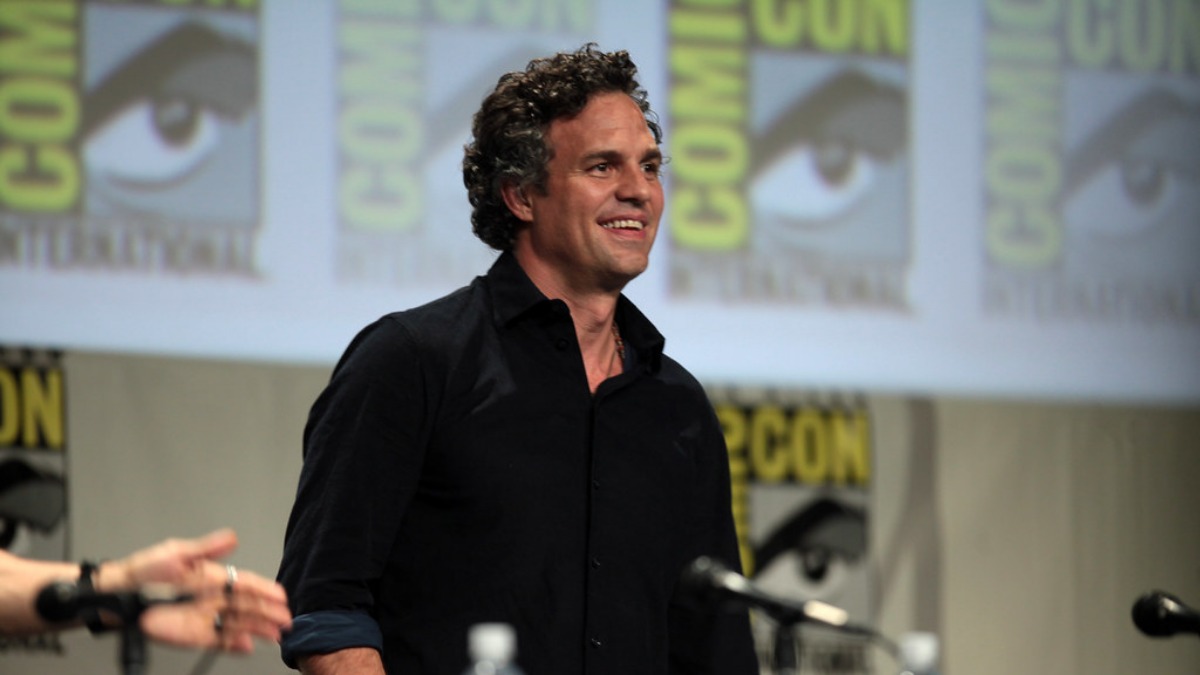

Mark Ruffalo recently sounded a major alarm regarding the proposed $111 billion takeover of Warner Bros. Discovery by Paramount Skydance. Speaking via videoconference at a hearing held at the Dirksen Senate Office Building in Washington, D.C., Ruffalo warned that the effects of such a deal would be devastating for film, television, and the broader news media landscape, Variety reported.
This hearing was organized by Senator Cory Booker, the ranking member of the Senate Judiciary Subcommittee on Antitrust, Competition Policy and Consumer Rights. Notably, the room was populated only by Democratic senators, with no Republican colleagues in attendance to provide a counterpoint.
As of Wednesday, more than 3,000 Hollywood signatories have put their names on an open letter that explicitly seeks to block the deal. During Ruffalo’s testimony, which lasted throughout the nearly 2.5-hour session, the actor and producer did not mince words about the dangers of media consolidation. “We do not have to watch ‘Citizen Kane’ or read ‘1984’ to understand that the concentrated oligarchic control this merger represents is a threat to free press, an informed populace and democracy itself,” Ruffalo said.
One of the most concerning aspects of this deal is the pattern of layoffs that follow such massive corporate consolidations
If this merger goes through, the combined entity would control a massive portfolio that includes CBS, CBS News, Paramount Pictures, Paramount+, BET, Nickelodeon, HBO, HBO Max, Warner Bros. studio assets, DC, CNN, TBS, TNT, HGTV, and Discovery+. The core of the argument against this merger lies in the disconnect between corporate promises and historical reality.
Paramount Skydance CEO David Ellison has claimed that the combined company would release 30 films per year and provide artists with more avenues for work. Ruffalo urged those watching not to buy into these narratives. “Don’t trust empty promises from billionaires driven by greed and corrosive ideology. Don’t trust that this new company will somehow make more films with less money and so much more debt,” he argued.
Instead, he emphasized that we should “trust competition.” To him, the merger is not just a business transaction; it is a threat to one of the world’s most vital industries, coming at a time when Los Angeles entertainment jobs are already in a sharp decline. As he put it, “I can personally say that Los Angeles right now is hanging by a thread.”
Ruffalo pointed out that the August 2025 merger involving Paramount Skydance resulted in 2,000 layoffs. He noted that the pattern is predictable: companies announce mergers, promise efficiencies, and then proceed with mass layoffs and production cuts. Because the proposed deal with Warner Bros. Discovery is backed by an enormous amount of debt, he believes the outcome will be similar.
He estimated that tens of thousands of media professionals are at risk as the Ellisons and their investment partners from the sovereign wealth funds of Saudi Arabia, Qatar, and Abu Dhabi attempt to squeeze every penny out of the entity.
Furthermore, the involvement of Warner Bros. Discovery CEO David Zaslav has drawn significant fire. Ruffalo claimed that Zaslav is set to receive a compensation package of at least $550 million upon the closing of the pact. He called this payout “obscene” for a leader who, according to his assessment, crushed Warner Bros. to the point where it had to be sold due to extreme debt. While Senator Booker had invited David Ellison to speak at the hearing to address these concerns, the company stated that Ellison could not attend due to the funeral of a recently deceased family member.
The hearing also featured testimony from Michael Isaac, the director of legal services at the Writers Guild of America East. Representing 18,000 creative professionals, Isaac highlighted that there are currently only six major buyers of scripted film and TV content. If Warner Bros. and Paramount merge, that combined company would immediately become the largest employer of his members.
Isaac warned that this media behemoth would have the leverage to reduce content, raise prices, increase production control, suppress competition, and worsen working conditions. He specifically raised concerns about the news business, noting that the transformation of CBS News following its merger with Skydance has already led to mass layoffs and a shift toward appeasing partisan critics rather than supporting the journalists who built the institution’s reputation.
Senate Minority Leader Chuck Schumer also took a hard line on the issue. He argued that when monopolies run rampant, costs rise for the American consumer while innovation and independence wither. Schumer expressed frustration with the potential for rising streaming fees and characterized the merger as a nightmare. He also raised concerns about political influence, noting that the right wing could take greater control of major media companies.
“When monopolies like this run rampant, costs go up, I would tell every American consumer,” Schumer said. “Competition goes down. Competition both in the creative world, but also in the information world, which so many of these entities have a great deal of say [over] and a great deal of control. Innovation dies. Independence is weakened. So if you’re frustrated by high streaming fees, this merger is a nightmare. Fees will keep going up folks, while the incentives to improve services to customers go down.”
As it stands, the deal requires regulatory and shareholder approval. Whether this hearing will lead to actual blocks on the merger remains to be seen, though state attorneys general are currently reviewing the situation. With the industry hanging in the balance, the testimonies herey highlight a growing movement of professionals who believe that bigger is not always better for the future of media.


Published: Apr 16, 2026 06:45 pm