



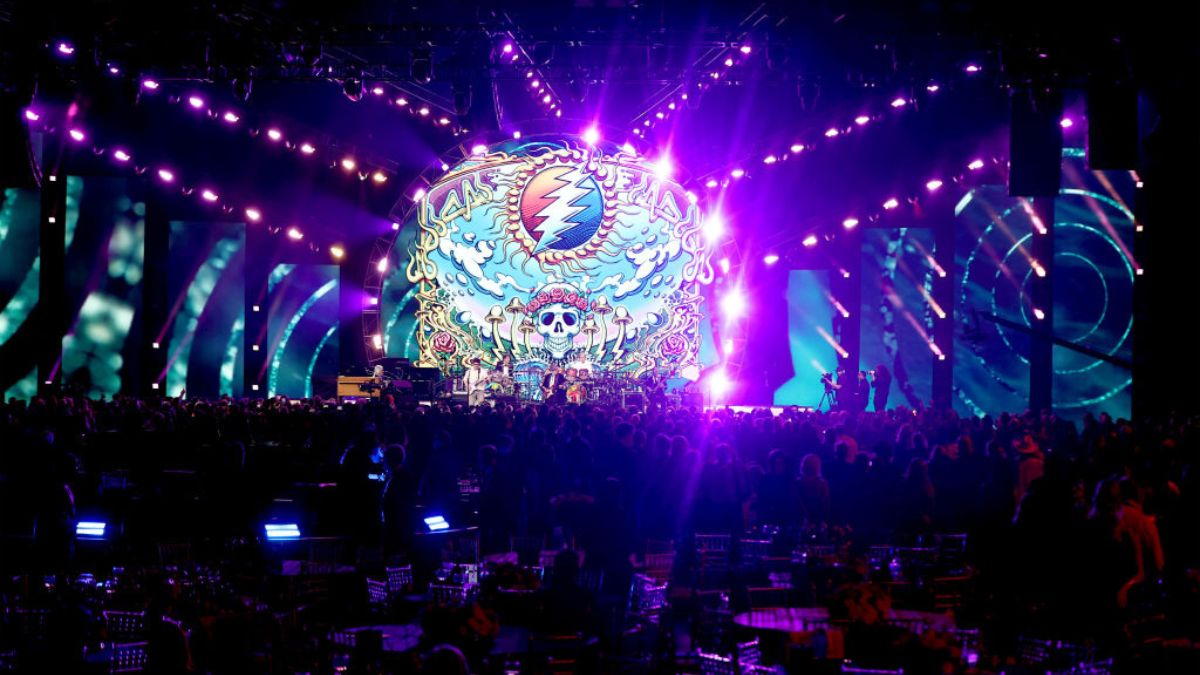

New documents released under the Epstein Files Transparency Act have shown a strange connection between high-level finance and the concert ticket resale market. Jeffrey Epstein was pitched a $30 million business plan to control the market for high-demand concert tickets, including the Grateful Dead’s huge 2015 reunion shows. While fans struggled with Ticketmaster, these ticket brokers were trying to get money from a man known for terrible crimes.
According to Bro Bible, the proposal was sent to Epstein in December 2015 by businessman Joe Meli and his partner, according to documents from the Department of Justice. Meli was later sentenced to 37 months in prison for running a similar scheme with Hamilton tickets on Broadway. He was looking for funding for a “factoring business” that would buy tickets in bulk for major events and resell them for huge profits.
The group used the Grateful Dead’s Fare Thee Well 50th-anniversary shows as their example. They bought $1.5 million worth of tickets for the summer 2015 shows in Santa Clara and Chicago; about 7,500 seats at an average of $200 each. They then sold those tickets for $4.5 million, making a 300% return from devoted fans.
This scheme targeted the fans who wanted to see the band one last time
If you were a Deadhead trying to see Phil Lesh, Bob Weir, Mickey Hart, and Bill Kreutzmann perform with Trey Anastasio, Oteil Burbridge, and Jeff Chimenti, you were directly affected by this alleged scheme. Many fans were completely priced out of the secondary market because of these inflated prices.
The scheme wasn’t limited to the Grateful Dead. Documents show the group also targeted major festivals and theater shows. They claimed they flipped $1 million in Coachella artist passes for $2.2 million and were planning to target upcoming shows for Adele and Hamilton. The group even cornered the market on 25,000 tickets for Dead & Company’s 2015 Fall Tour and had already made $3.8 million by December.
The Grateful Dead built their reputation on community, sharing music, and staying separate from the world of Wall Street. Yet their most important shows became part of a $30 million investment pitch meant to give Epstein an 8% return.
The documents don’t confirm if Epstein actually provided the money, but the fact that he was considered the right partner for this scheme shows how wealthy people view the economy. The release of these files has sparked debate about how men connected to Epstein are being defended despite troubling revelations.
Epstein treated everything as something to profit from. He was a “limited partner” at Bear Stearns in the 1980s and later became involved in the 2008 financial crisis, having over $57 million invested in Bear Stearns hedge funds that collapsed. After suing JPMorgan, which bought the failing Bear Stearns, he received a $9 million payment in 2011, even though he originally wanted $70 million.
He also got involved in the tech world. He gave at least $7.5 million to the MIT Media Lab, with much of it going to the Digital Currency Initiative, which helped develop Bitcoin Core. He even hosted a meeting in 2014 with Wladimir van der Laan, who was then the lead maintainer of Bitcoin’s software, to discuss the technology’s future.
The released documents show no sign that the band members, their management, or ticket platforms knew about or were involved in this resale operation. However, the DOJ recently faced issues with thousands of Epstein files being temporarily pulled due to a technical error.

Published: Feb 4, 2026 04:15 pm