


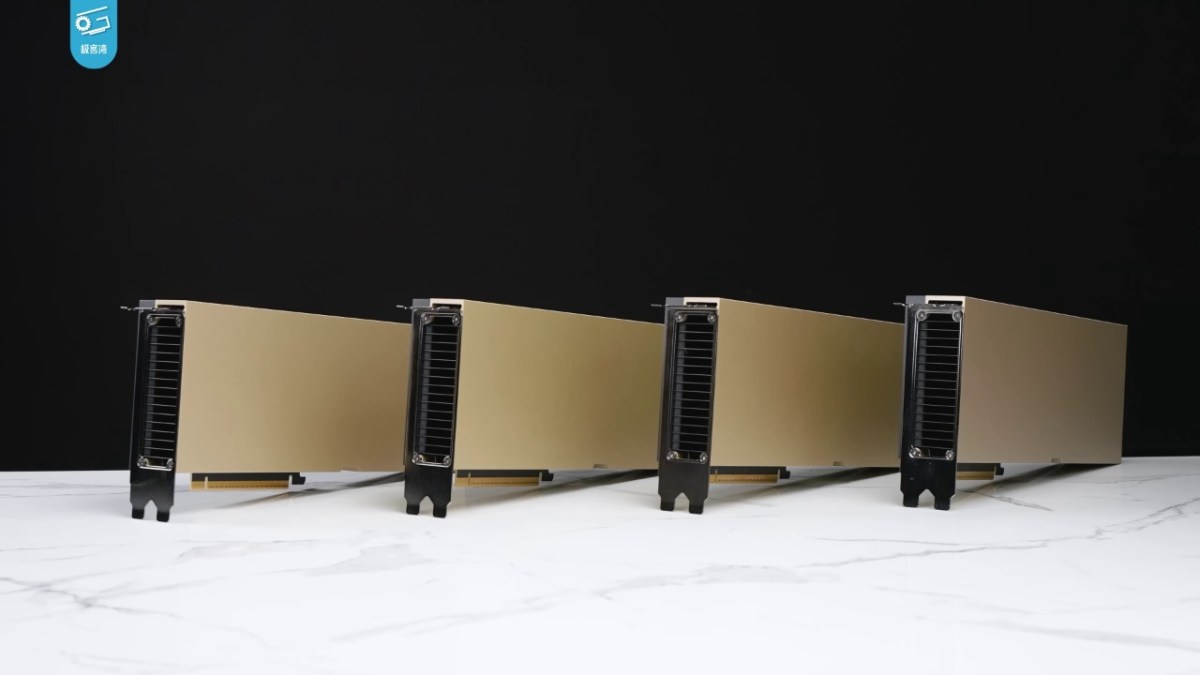

A Chinese university with deep ties to the People’s Liberation Army purchased two Nvidia H200 AI chips last month, even though it has been on a U.S. trade blacklist since 2001. The deal went through a third-party company rather than directly, according to Reuters.
Northwestern Polytechnical University (NPU) acquired the chips for 874,700 yuan, about $123,000, through a company called Shaanxi Bosuan Network Technology, according to a procurement record posted on its own website on Oct. 21. NPU is part of the Seven Sons of National Defense, a group of Chinese universities known for conducting research that supports Beijing’s military efforts.
Per Reuters, the chips are high-end hardware used to train and run advanced AI systems, so they are subject to strict export license requirements. Institutions on the Entity List are normally denied those licenses. NPU was added to the list because of its research related to missile development, military aircraft, and satellites. Records also show the university paid for access to rented computing capacity that uses H200 chips through five separate contracts this year.
The firms cleared to handle H200 chips face questions of their own
According to The New York Times, the Trump administration approved roughly two dozen Chinese firms to buy or handle H200 chips, provided they pass a Commerce Department review for national security risks. The NYT reported concerns that some of those companies may not be what they appear.
One firm, New Matrix, was approved to assemble Nvidia chips into computers, but the NYT reported that recent checks found no clear physical presence at its listed address. Chinese corporate records show New Matrix’s owners have ties to a private equity fund that was blacklisted in 2024, according to the outlet.
Liza Tobin, who served as the China director for the National Security Council in the first Trump and Biden administrations, raised concerns about the current oversight process. She told the NYT, “I have a ton of concerns that neither the Commerce Department or Nvidia is doing the due diligence needed to ensure that the licensing terms are being followed.”
Trump began allowing H200 sales to China late last year, with a specific condition. Per the NYT, the chips are assembled in Taiwan and must be routed through the U.S. so the government can collect a 25% tariff. Nvidia spokesperson John Rizzo told the outlet, “It makes no sense for the Chinese military to depend on American technology,” adding that the company sells “the first, best and most of our technology in America.”
Reuters noted that Nvidia CEO Jensen Huang has argued selling U.S. technology to China keeps the country reliant on it. Lawmakers, however, worry that the H200 will speed China’s military modernization, according to the outlet.
Reuters reported that other Chinese universities, including Shenzhen University and Wuhan University of Technology, have also been documented buying restricted Nvidia hardware or renting access to servers that use it.


Published: Nov 12, 2026 07:30 am