



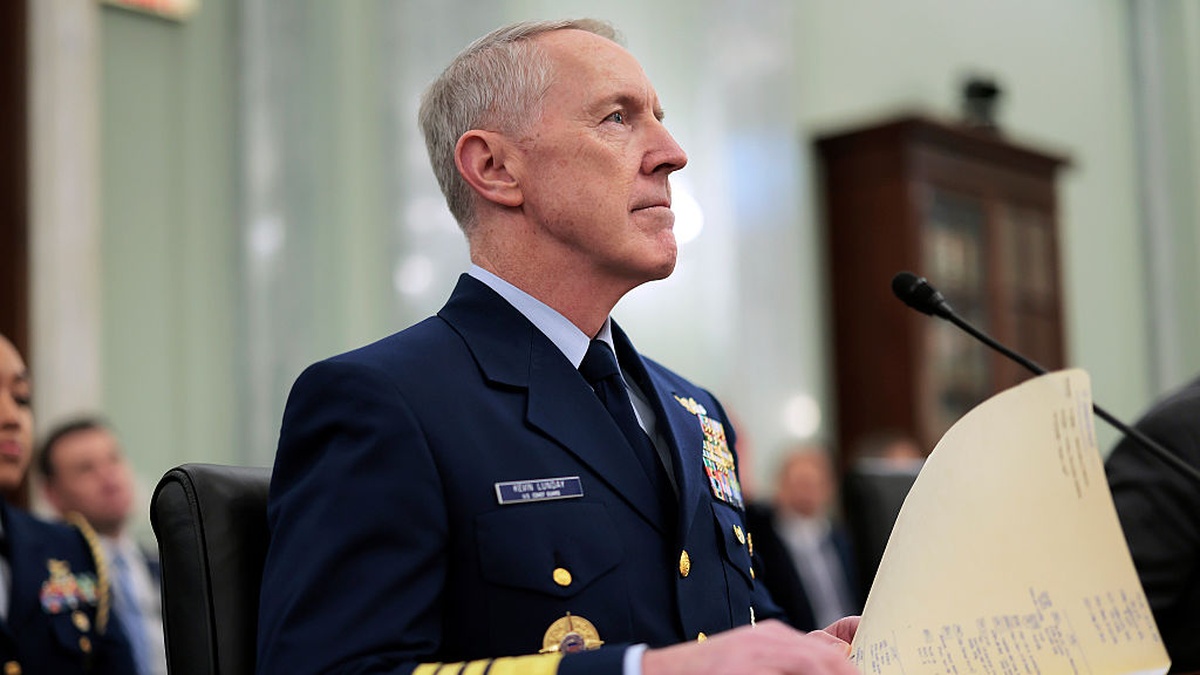

The U.S. Coast Guard just changed its rules about hate symbols after people got upset about the way they were describing things like swastikas and nooses. The original plan was to call these items “potentially divisive,” which made a lot of people angry.
According to Newsweek, the Coast Guard made this switch earlier this month, moving away from what they said back in 2019. Back then, the rules were clear that these symbols were “widely identified with oppression or hatred” and showing them would be treated as “a potential hate incident.” But the new version made things sound less serious by saying “potentially divisive” instead.
Democratic Senator Jacky Rosen spoke out against the change once everyone heard about it. “At a time when antisemitism is rising in the United States and around the world, relaxing policies aimed at fighting hate crimes not only sends the wrong message to the men and women of our Coast Guard, but it puts their safety at risk,” she said.
Common sense prevails…to some extent
After all the pushback, the Coast Guard changed direction on Thursday. They put out a new policy saying that “divisive or hate symbols and flags are prohibited.” The updated rules name specific things like “a noose, a swastika, and any symbols or flags co-opted or adopted by hate-based groups.”
The Coast Guard made it clear this latest version is totally new, not just another tweak to the old policy. They said they wanted “to combat any misinformation and double down that the U.S. Coast Guard forbids these symbols.”
This whole situation shows how the words used in official policies can cause big problems. The Coast Guard thought they were just updating their rules, but it turned into a major controversy once people saw how the new language changed things. Questions about how federal agencies handle sensitive information have been coming up more often lately.
Going from calling these symbols signs of “oppression or hatred” to “potentially divisive” made it seem like the Coast Guard didn’t think they were as serious. People worried this could make things confusing about whether there would actually be consequences for displaying these symbols.
The fact that the Coast Guard changed course so fast shows they realized their first version was a mistake. By calling this a brand new policy instead of just another revision, they’re trying to prove they take the issue seriously.
The rules now clearly ban these symbols instead of leaving any wiggle room about whether they might be okay in certain cases. Lawmakers are watching closely, similar to the protective measures taken for six Democrats who recently drew Trump’s anger, which shows how heated political discussions remain.








Published: Nov 21, 2025 12:15 pm