



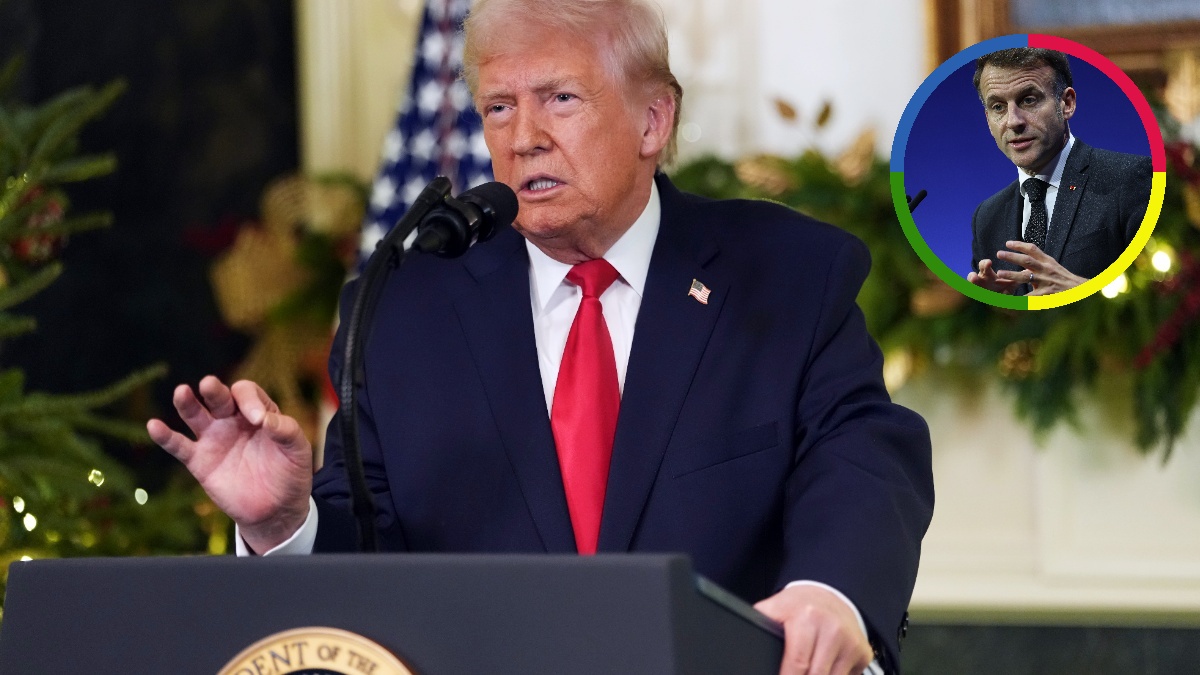

The Trump administration has sparked a massive diplomatic fight with Europe after imposing visa bans on five key European figures who championed laws regulating American tech giants, as per The Guardian. European leaders are absolutely furious, calling the move “coercion and intimidation” and signaling they could “respond swiftly and decisively” to defend their regulatory independence.
This is a huge escalation in the ongoing tension over digital policy. The French president, Emmanuel Macron, condemned the action in the strongest terms, writing that these measures are “aimed at undermining European digital sovereignty.” Germany, Spain, and the UK all joined the chorus of EU officials condemning the bans.
The US Secretary of State, Marco Rubio, justified the bans on X, stating that the administration will no longer tolerate what he called “egregious acts of extraterritorial censorship.” He accused European “ideologues” of leading organized efforts to coerce American platforms into punishing American viewpoints they oppose. Washington views the core of this conflict, the EU’s Digital Services Act (DSA), as a form of censorship designed to weaken US tech firms and unduly restrict freedom of expression.
This is clearly a fight for digital sovereignty, and Europe sounds determined to protect its independence
The most prominent name on the list is Thierry Breton, the former EU commissioner for the internal market and one of the main architects of the DSA. The other individuals targeted were Imran Ahmed, the British chief executive of the US-based Center for Countering Digital Hate; Clare Melford, co-founder of the Global Disinformation Index; and two German anti-disinformation campaigners, Anna-Lena von Hodenberg and Josephine Ballon, from the non-profit HateAid.
Europe isn’t backing down from the fight. The DSA is a comprehensive law, passed in 2022, that requires large digital platforms to show they are taking meaningful steps to address online risks. This includes the spread of illegal content, hate speech, and disinformation used to manipulate election results. European leaders insist these regulations are necessary and only apply within Europe to ensure fair competition.
Macron, who recently criticized the US-backed Ukraine peace plan, emphasized that the rules governing the European Union’s digital space were adopted through a democratic process and are “not meant to be determined outside Europe.” Breton, who is French, reacted sharply to the ban, asking: “Is McCarthy’s witch-hunt back?” He pointed out that 90% of the European Parliament and all 27 member states voted for the DSA unanimously. “To our American friends: censorship isn’t where you think it is,” he added.
The EU Commission president, Ursula von der Leyen, stressed that freedom of speech is the foundation of their democracy. A commission spokesperson added that the bloc is prepared to “respond swiftly and decisively” against the “unjustified measures” if needed. Germany’s justice ministry expressed “support and solidarity” with the German campaigners, calling the visa bans unacceptable.
We’ve already seen the DSA actively enforced. Elon Musk’s X platform was recently fined a huge amount after a two-year investigation focused mainly on transparency issues, including deceiving users about verification checks.





Published: Dec 24, 2025 04:00 pm