



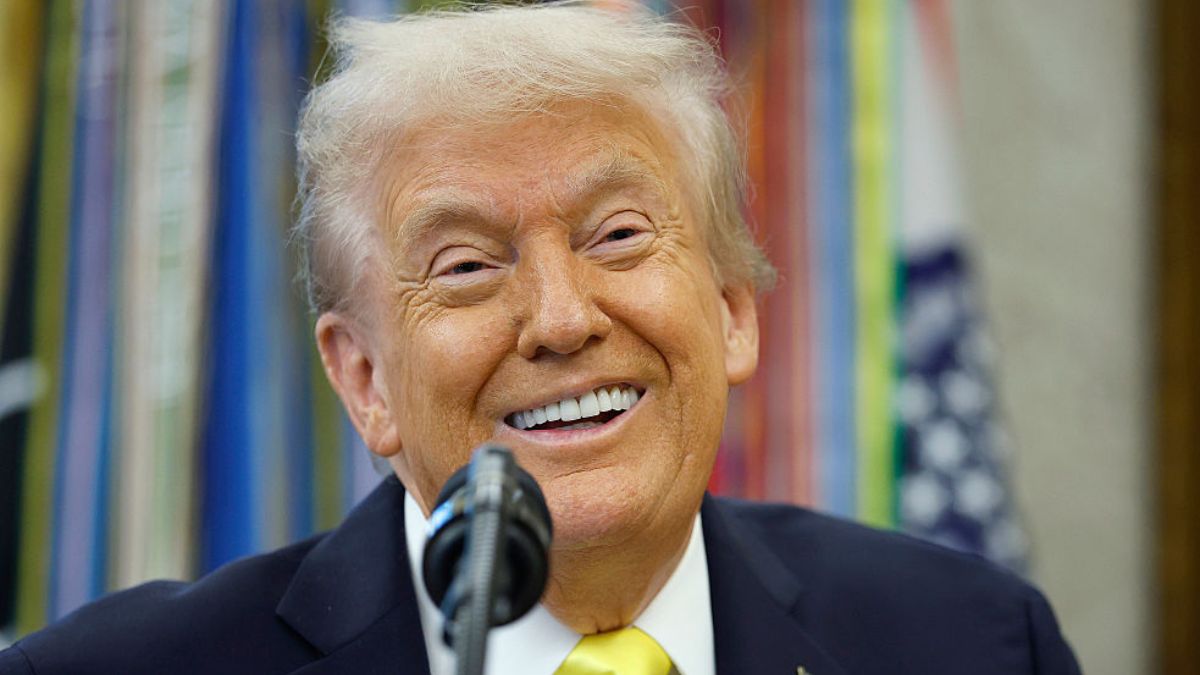

Illinois Gov. JB Pritzker criticized President Donald Trump’s claims about rising crime in Chicago, describing them as “lies” and “propaganda” during an interview with Politico’s Dasha Burns for The Conversation. Pritzker argued that the city has successfully reduced its crime rates despite conflicts with the administration.
The Democratic governor noted that the city has cut local crime statistics by “double digits” through strategic policing and community enforcement measures. He emphasized that these improvements were accomplished even as federal resources from the Trump administration were reduced. Pritzker highlighted the role of state police in supplementing local efforts and said that investment in community-based programs has helped address underlying causes of crime.
Pritzker specifically pointed to the decreased presence of federal law enforcement agents in Chicago, including the FBI, Bureau of Alcohol, Tobacco, Firearms and Explosives, and the Drug Enforcement Administration. He argued that despite these cuts, state and local authorities, under his direction, have strengthened policing efforts to address criminal activity.
The Governor’s Making It Clear He Won’t Back Down
The governor noted that Chicago has actively resisted the administration’s attempts to deploy the National Guard to address crime this month. Legal challenges have stalled the federal deployment, with a federal judge initially blocking it and an appeals court temporarily lifting that block while maintaining restrictions on actual deployment. Pritzker framed these efforts as part of broader political pressure from the White House rather than a reflection of local crime trends.
Pritzker also criticized Trump’s portrayal of other U.S. cities, including Portland, calling claims that the city was experiencing chaos or widespread violence inaccurate. He suggested that repeated statements from the president were intended to influence public perception, saying, “It’s propaganda, again, not true, but he’ll say it over and over and over again, hoping that people will believe him.”
The Illinois governor additionally pointed to federal funding cuts to Democratic-led states, including Illinois, as an example of actions that conflict with his administration’s efforts to maintain public safety. Pritzker argued that these reductions have challenged local crime-fighting resources, even as the city has achieved measurable improvements.
Pritzker emphasized that media amplification plays a role in spreading the president’s narrative. He noted that statements on major platforms, including television and podcasts, can influence public opinion even if the claims are not accurate. By repeating false assertions about crime rates, he argued, the administration risks creating a perception that does not align with actual data.
Recent reports, such as an Illinois police officer being arrested by ICE, highlight broader questions about enforcement and oversight, illustrating how high-profile incidents can further shape public perception and feed into the narratives the governor criticized.




Published: Oct 17, 2025 01:25 pm