



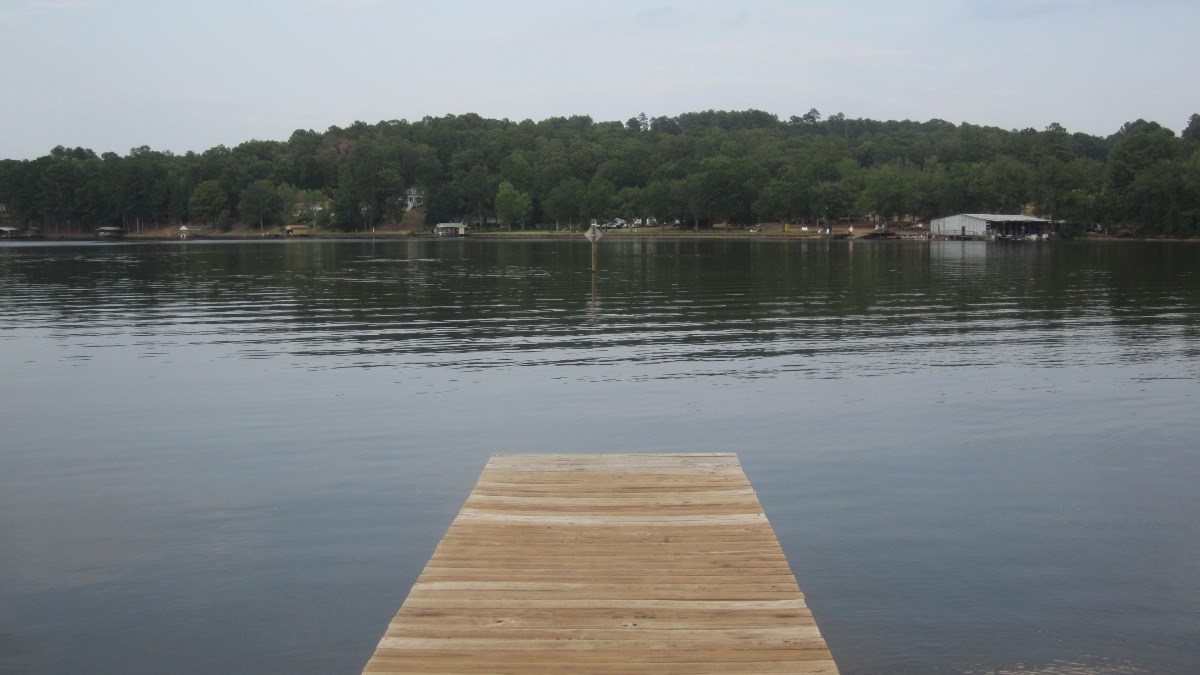

An 8-year-old child from Ruston, Louisiana, has passed away after contracting a rare brain-eating amoeba. Health officials believe the infection occurred while the girl was swimming in Lake Claiborne, a body of water located about 30 miles northwest of her home, CNN reported.
The child, identified by her family as Lillian Smart, died in the hospital over the weekend shortly after celebrating her eighth birthday. Her family shared the news in a Facebook post on the morning of September 14, 2025. “Last night Lillian ran from our arms to the arms of Jesus,” the family stated. They also noted, “The injuries to her brain were too severe for her little body to recover from.” Before her passing, the family had shared that Lillian experienced significant brain swelling as a direct result of the parasite.
The organism responsible for the infection is known as Naegleria fowleri. According to the Louisiana Department of Health, this microscopic amoeba thrives in warm freshwater environments. The infection happens when water containing the organism travels through the nose and reaches the brain. It is important to note that the amoeba does not cause an infection if it is swallowed, and it does not spread from person to person.
The state health department has emphasized that while the infection is extremely rare, it is nearly always fatal
Lillian had been receiving intensive care since the previous week. Her mother documented on Facebook that the child was initially admitted with a fever, which later progressed into double vision. In the days leading up to her death, the local community in Ruston rallied to support the family. Several businesses held fundraisers to celebrate Lillian’s birthday and donate a portion of their proceeds to assist with the situation. One local business owner described her as a child who was always happy and noted, “Every time you see her, she has a smile on her face.”
Data from the Louisiana Department of Health indicates that Naegleria fowleri infections are exceptionally uncommon. Between 1937 and 2025, there have only been 180 confirmed cases nationwide, with Louisiana accounting for just three of those instances. While cases have historically been concentrated in southern and central states due to warmer temperatures, recent research suggests that climate change is causing water temperatures to rise in northern and midwestern states. This shift is expanding the geographic areas where the amoeba can survive.
The Centers for Disease Control and Prevention explains that the infection is often difficult to detect because it progresses very quickly. Early symptoms typically include fever, headache, nausea, and vomiting. As the infection takes hold, it can lead to more severe neurological issues, including hallucinations, a stiff neck, confusion, and a loss of balance.
Lillian’s parents expressed their gratitude for the support they received during this time. “Everyone did everything they could to keep her here,” they wrote on Facebook. “We are heartbroken and honestly do not know what to do next.”
This tragedy follows other reported deaths linked to the amoeba in recent years, including a case in Georgia in 2023 and the first reported death in Nebraska in 2022. In those instances, as with Lillian, health officials confirmed that the individuals had been swimming in fresh water.









Published: Aug 25, 2026 01:00 pm