



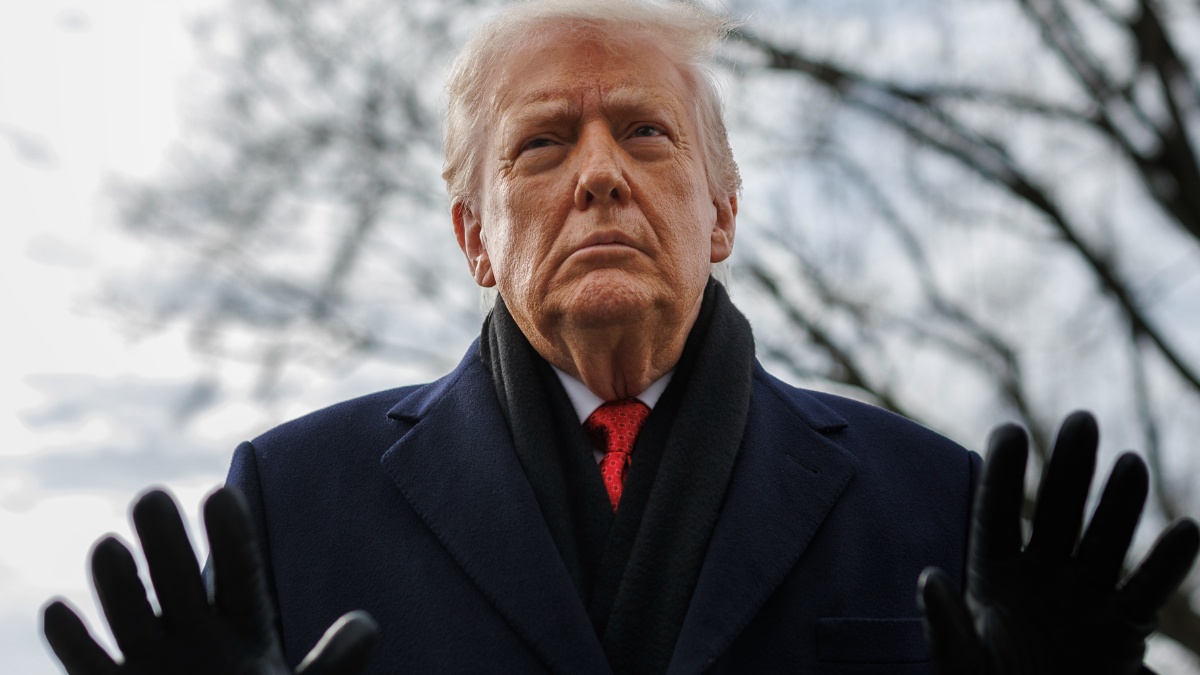

President Trump just ramped up the pressure on Cuba, declaring a “national emergency” to impose new tariffs on any countries or groups supplying oil to the communist nation, as per The Hill. This is a huge move, and frankly, it shows just how serious the administration is about cutting off resources to Havana.
The president laid out the plan in a new executive order, establishing what he calls a “tariff system” specifically designed to punish those entities. Under this new regime, an additional ad valorem duty may be slapped onto imports of goods that come from a foreign country proven to be selling or otherwise providing oil to Cuba, either directly or indirectly. That’s an ad valorem duty, which means the tariff is based on the value of the goods themselves.
The list of potential targets includes Russia, China, and Iran. The administration also named the militant groups Hamas and Hezbollah. That’s a complicated web of trade, especially since the U.S. currently trades heavily with nations like Russia, China, Iran, and Lebanon, which is where Hezbollah is based.
Targeting established trade partners like China and Russia over this specific issue is going to create some serious friction globally
To figure out who is breaking the rules, the executive order tasks the secretary of Commerce, working closely with the secretary of State, with determining if “a foreign country directly or indirectly sells or otherwise provides any oil to Cuba.”
The use of the “national emergency” mechanism for trade is definitely something we’ve seen President Trump utilize before this year, but it’s still being heavily debated. In fact, the Supreme Court is currently deciding whether the president even has the authority to use this exact mechanism to impose duties on foreign countries in the first place.
This escalation against Cuba follows a period of intense pressure from the U.S. after the recent ouster of Venezuelan President Nicolás Maduro. While President Trump is clearly trying to isolate the island nation, Cuban President Miguel Díaz-Canel stated earlier this month that his administration hasn’t been involved in any talks with the Trump administration at all.
President Trump also separately announced a major threat against Canada. He posted on Truth Social that the U.S. is going to decertify Canada’s Bombardier Global Expresses and all other Canadian-made aircraft. If Canada doesn’t permit the sale of Gulfstream products within its borders, the president threatened to levy a massive 50 percent tariff on Canadian planes.
This all comes amid increased tension between President Trump and Canadian Prime Minister Mark Carney, especially concerning trade issues and the president’s stated interest in acquiring Greenland. It seems like the administration is certainly not afraid to use tariffs as a diplomatic tool right now.




Published: Jan 30, 2026 01:00 pm