



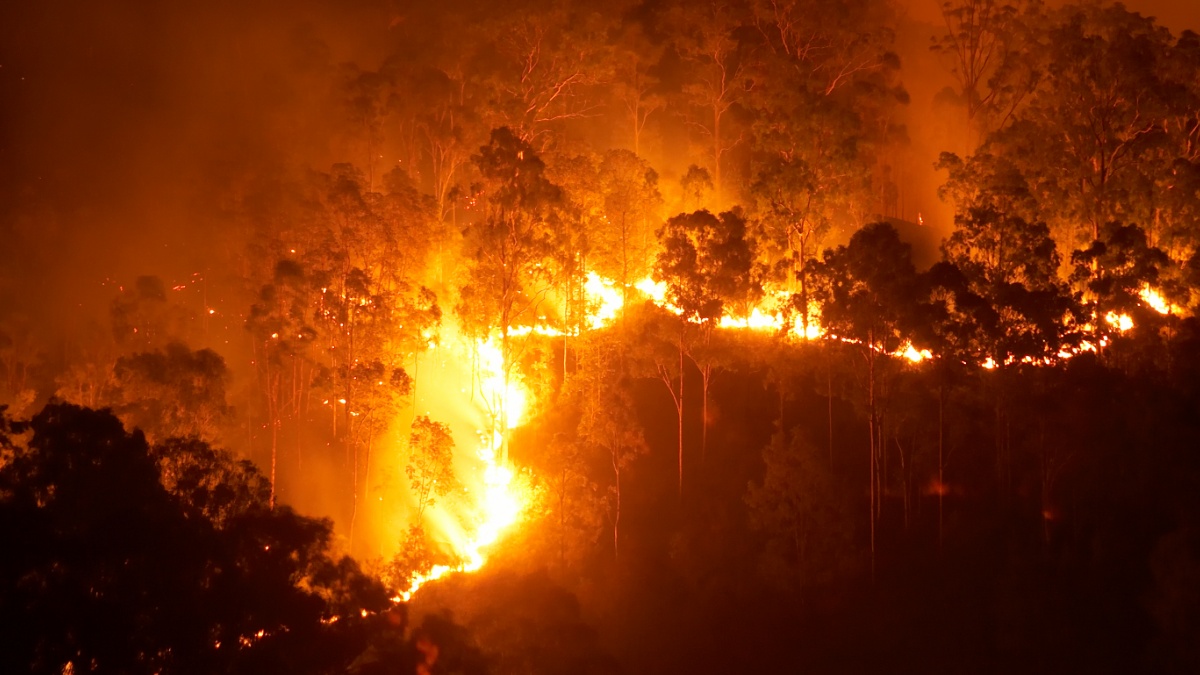

Red flag warnings are sweeping across Oklahoma and the Southern Plains as new wildfires ignite and existing blazes continue to spread. The situation has put emergency officials on high alert amid a dangerous mix of weather conditions.
The latest details were reported by The New York Times, which noted that both Oklahoma City and Tulsa are under a critical risk for fire. Much of the state is under a red flag warning, the highest alert the National Weather Service issues when conditions are ripe for rapid fire growth.
By early afternoon Thursday, several new fires had broken out in Oklahoma and the Texas Panhandle, burning through dry, dormant vegetation. Forecasters said a dry system and shifting winds were complicating firefighting efforts across the region.
Dry air and strong winds are driving extreme fire behavior
Derek Williams, a lead fire weather meteorologist at the Storm Prediction Center, said the system is bringing strong westerly winds and very dry air, with relative humidity near 15 percent. Oklahoma’s Department of Agriculture, Food and Forestry warned that fires already burning have the potential for very rapid spread and problematic behavior.
Bryce Boyer, the department’s director of communications, said some fires this week prompted evacuations, though most residents have been able to return home. He urged the public to avoid starting new fires, saying officials are responding as blazes spark across the state and need people to take precautions. In Washington, the senior retirement delay plan has also been drawing attention this week.
The warnings follow several days of heightened concern after powerful winds prompted alerts from forecasters and local officials about fast-moving fires. Oklahoma Governor Kevin Stitt declared a state of emergency in three counties on Wednesday because of what he described as destructive wildfires across northwest Oklahoma. In the declaration, he also said at least four firefighters were injured after working through the night.
In Texas, officials have also been bracing for additional fire activity as wildfires there have burned more than 20,000 acres. Authorities warned that the current weather could make it harder to control ongoing fires and increase the chance of new ones starting.
Meteorologists said the elevated risk has been fueled by unusually warm temperatures, low humidity, dry vegetation, and strong wind gusts. Since Tuesday, winds exceeded 60 miles per hour in parts of the Southern Plains as multiple fires ignited.
Even with winds expected to ease somewhat Thursday, Rick Smith, a meteorologist with the National Weather Service office in Norman, said the dry air had become more widespread across central Oklahoma. He said humidity has not been increasing overnight as it typically does, meaning a fire that starts in the afternoon can continue burning through the night and into the next day.
Many areas of Oklahoma and the Texas Panhandle have seen temperatures around 20 degrees above normal since Tuesday, and Oklahoma City reached 72 degrees on Wednesday. In Minneapolis, the memorial torched in Minneapolis also prompted public condemnation this week.
Smith noted that fire season in the Southern Plains often peaks in February and March when vegetation is dormant, then generally eases by mid-spring as thunderstorms bring more moisture. Forecasters said conditions in Oklahoma and the Texas Panhandle were expected to improve overnight as cooler temperatures and moister air move in.
By Friday, the critical fire risk is expected to shift into western Texas and eastern New Mexico, with calmer winds and cooler temperatures anticipated over the weekend.









Published: Feb 20, 2026 07:00 am