



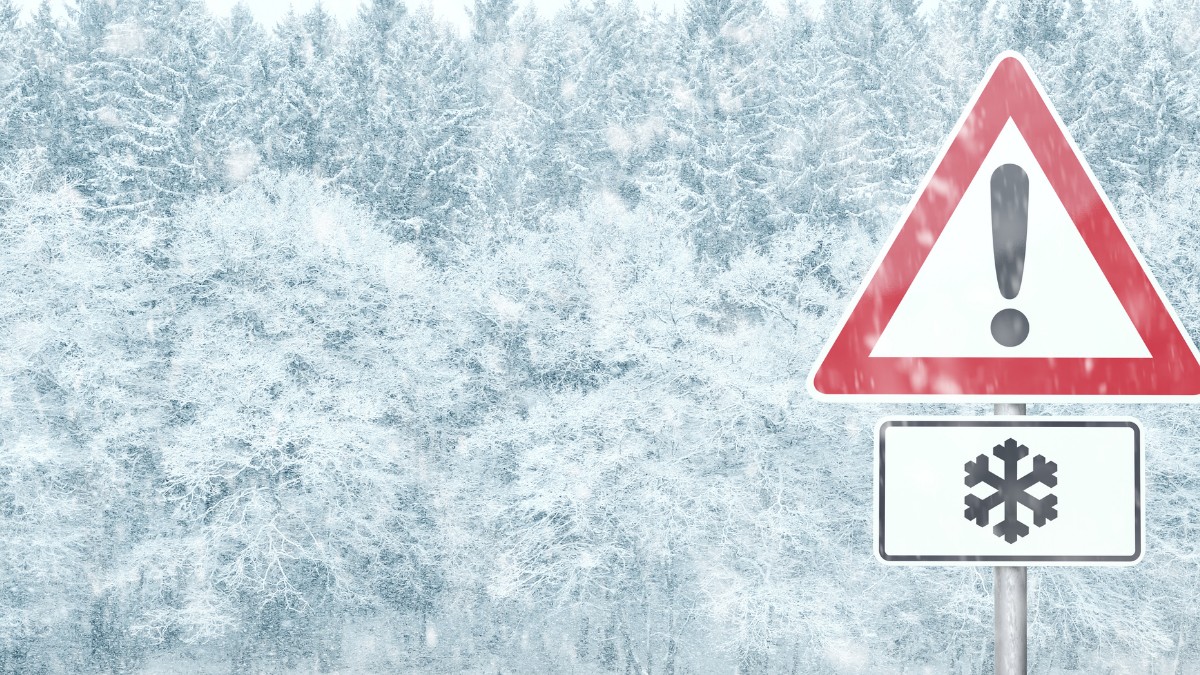

Warwick, Rhode Island, reported 36.2 inches of snow after a powerful winter storm tore through the Northeast, marking the highest total recorded in the region from this system. The story gained traction when reported by The Washington Post, which detailed widespread disruptions and mounting concerns over prolonged power outages.
The nor’easter battered parts of New York and New England on Monday, forcing flight cancellations, shutting down major roadways, and halting public transportation. Officials warned that hundreds of thousands of residents could remain without electricity for days as crews worked to restore service in dangerous conditions.
Snow totals reached historic levels across multiple states, with communities reporting some of their largest accumulations on record. Strong winds and heavy, wet snow compounded the damage, downing trees and power lines throughout the region.
Historic snowfall and prolonged outages strain the Northeast
Providence, Rhode Island, recorded 32.8 inches, its largest snowfall since the February 1978 blizzard. Newark, New Jersey, measured 27.1 inches by Monday afternoon, making it the city’s second-highest snowfall total on record. Suffolk County on Long Island reported between 24 and 28 inches of snow, along with an 85 mph wind gust at Montauk Point Lighthouse, while Central Park in New York City exceeded 19 inches.
Wind gusts ranged from 50 to 90 mph across much of the region, with Wellfleet, Massachusetts, recording a peak gust of 98 mph. By Monday afternoon, roughly 650,000 customers nationwide were without power, including nearly 500,000 across Massachusetts, New Jersey, and Delaware. Elsewhere, AI energy demands debate also surfaced in technology news.
In coastal Scituate, Massachusetts, officials said utility crews would not begin restoration work until winds dropped below 35 mph and warned residents to prepare for several days without electricity, a message echoed by Rhode Island Energy, which described the effort as a multiday restoration process. Officials said the combination of heavy, wet snow and sustained wind made restoration efforts slower and more hazardous.
New York City Mayor Zohran Mamdani lifted the city’s travel ban at 12:00 PM Monday but urged residents to remain indoors as cleanup continued. The city deployed 2,600 sanitation workers and 1,400 emergency snow shovelers, clearing more than 99 percent of streets at least once, though officials said heavily impacted areas such as Staten Island, which received more than 24 inches, would take longer to address. In separate reporting, Mar-a-Lago intruder text was also published.
Travel bans were enacted in Connecticut, New Jersey, and statewide in Rhode Island, and seven states declared states of emergency. Suffolk County Executive Ed Romaine reported 130 accidents in the western portion of the county since the storm began, noting that strong winds quickly covered freshly plowed roads.
Massachusetts state Sen. Julian Cyr described the system as a classic New England nor’easter with hurricane-like impacts, referring to the dense snowfall as “gorilla glue snow.” The storm has drawn comparisons to the Blizzard of 1978, which killed nearly 100 people, underscoring the scale of its impact across the region.








Published: Feb 23, 2026 08:00 pm