



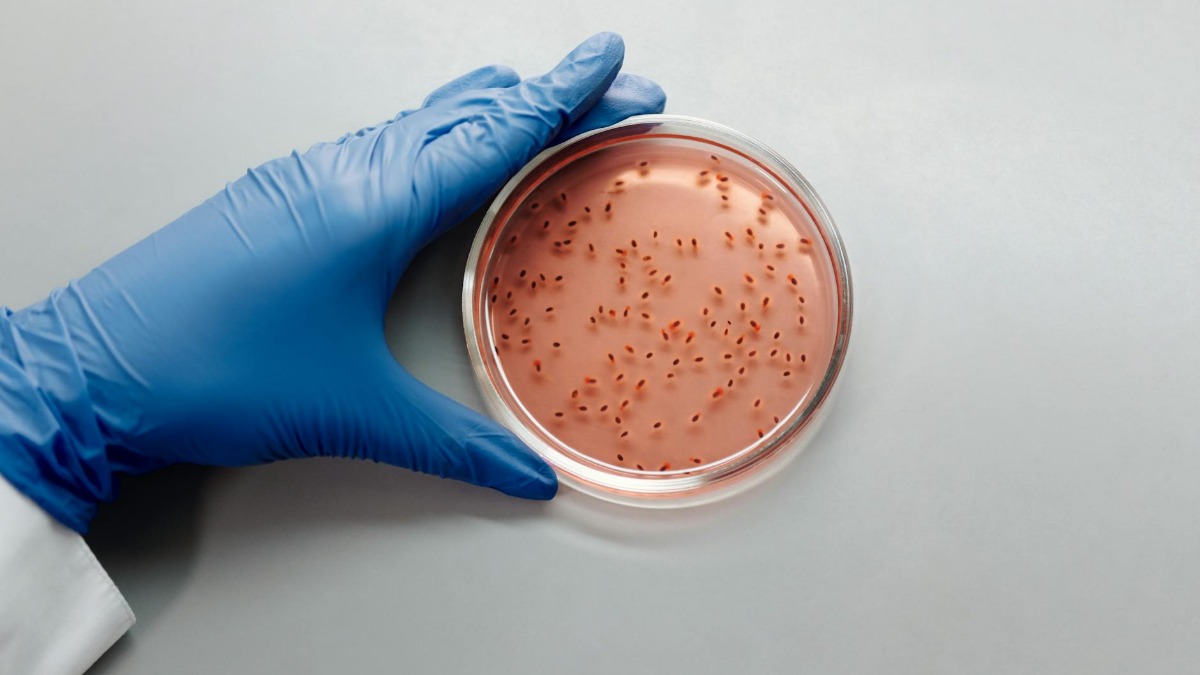

The Centers for Disease Control and Prevention has issued a formal warning over a multistate Salmonella outbreak linked to contact with backyard poultry. As of April 23, 2026, public health officials have confirmed 34 cases of Salmonella Saintpaul across 13 states, with 13 of those patients requiring hospitalization. No deaths have been reported.
The outbreak data, published by the CDC, shows six infections in Michigan, five each in Wisconsin and Ohio, and three each in Indiana, Kentucky, and Maine. Two cases each were recorded in West Virginia and Maryland, with single cases in Florida, Illinois, Mississippi, New Hampshire, and Tennessee. Officials note the confirmed numbers likely underrepresent the actual total, as many people recover without seeking medical care, and cases are typically linked to an outbreak three to four weeks after illness begins.
As highlighted by Unilad, Illnesses were reported between February 26, 2026, and March 31, 2026. Investigators used whole genome sequencing to confirm that bacterial strains found in patients are genetically linked, and samples collected from backyard poultry in Ohio matched the exact strain found in human cases. Of the 14 patients who confirmed owning backyard poultry, 13 had acquired their birds since January 1, 2026, pointing to recently purchased flocks from agricultural retail stores as a likely source.
The birds can look completely healthy and still spread the bacteria
The CDC has been clear on this point: healthy-looking poultry can still carry and transmit Salmonella. The agency’s guidance states, “Any backyard poultry can carry Salmonella germs that can make you sick. Always take steps to stay healthy around your flock.” Poultry owners are advised to wash hands with soap and water immediately after touching birds, their eggs, or anything in the area where they live. Hand sanitizer kept at the coop is recommended when a sink is not immediately accessible.
There are specific behaviors the CDC advises against. Owners should not kiss or snuggle birds, eat or drink while near the flock, or bring birds or their supplies inside the home. This includes feed containers and footwear worn in the coop. The CDC also recommends that children younger than five be kept away from chicks, ducklings, and other backyard poultry, amid ongoing RFK Jr’s vaccine schedule chaos. Eggs should be collected frequently, as those left in the nest longer are more likely to become dirty or break, raising contamination risk.
Salmonella symptoms include diarrhea, stomach cramps, fever, nausea, vomiting, chills, headache, and blood in the stool. Most infections resolve on their own within a few days, but the CDC recommends consulting a healthcare provider if the patient is an infant, young child, older adult, or someone with a weakened immune system. Medical attention is also advised for diarrhea lasting more than two days without improvement, vomiting severe enough to prevent keeping fluids down, or a fever above 102 degrees Fahrenheit.
Public health officials are currently working with hatcheries and retail stores to educate new owners and reduce the spread of the bacteria at the source. The outbreak comes at a time when 15 states have already taken legal action over separate federal changes to childhood health protections, underscoring broader tension between state-level public health concerns and federal guidance. Investigators continue to monitor reported cases as the outbreak remains active.








Published: Apr 29, 2026 05:00 am