



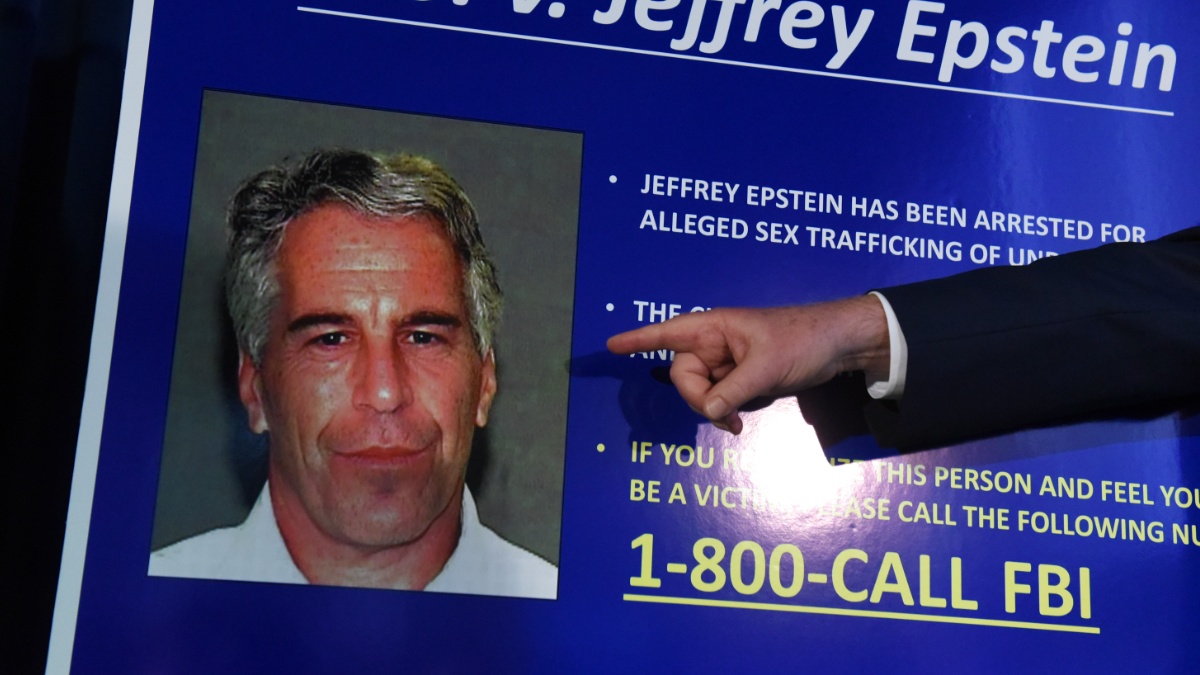

The FBI has finally confirmed the one piece of evidence the public has demanded for years, the infamous Jeffrey Epstein “client list,” simply doesn’t exist. This confirmation, which came through internal emails released in the massive cache of Justice Department documents, as reported by Associated Press, puts an end to a major point of intense public speculation.
FBI Deputy Director Paul Abbate asked his subordinates if the investigation had confirmed whether the “client list,” often referred to in the media, existed. An FBI official replied the next day that the case agent confirmed no client list was located. In fact, an FBI supervisory special agent wrote on February 19, 2025, that while media coverage constantly referenced a client list, investigators never found one during the entire course of the investigation.
Then-Assistant U.S. Attorney Maurene Comey wrote in an email last year that they scoured devices and homes from Epstein’s properties in New York, Florida, and the U.S. Virgin Islands. She confirmed that none of the materials, which included CDs, hard copy photos, and at least one videotape, showed any victims being sexually abused or any males with the nude females. Comey stressed that if such evidence had existed, the government “would have pursued any leads they generated.”
Investigators were also searching for videos or photos that might implicate Epstein’s associates in illegal activity
We’re finally getting the clearest picture yet of the massive federal probe, thanks to the release of millions of pages of documents, including police reports and prosecutor emails. The investigation initially kicked off way back in 2005 when the parents of a 14-year-old girl in Palm Beach, Florida, reported she had been molested. Police ultimately identified at least 35 girls who had similar stories of Epstein paying high school-age students $200 or $300 for sexualized massages.
Even though federal prosecutors drafted indictments back then, then-Miami U.S. attorney Alexander Acosta struck the deal that let Epstein plead guilty to state charges. That plea deal, of course, led to the 2018 stories that prompted New York federal prosecutors to reopen the case, resulting in Epstein’s July 2019 arrest and subsequent suicide a month later.
This next part is tricky, and it highlights the difficulty investigators faced trying to corroborate the most sensational claims. While prosecutors confirmed that victim Virginia Roberts Giuffre had been sexually abused by Epstein, they ran into problems trying to verify her claims about being trafficked or “lent out” to powerful men, including Britain’s former Prince Andrew.
A 2019 internal memo noted that two other Epstein victims whom Giuffre claimed were also trafficked told investigators they had no such experience. The memo stated, “No other victim has described being expressly directed by either Maxwell or Epstein to engage in sexual activity with other men.” Investigators also wrote that Giuffre acknowledged that a memoir she wrote about her time with Epstein was partly fictionalized, containing events that didn’t actually happen.
Investigators looked into Epstein’s longtime personal assistant but ultimately decided not to charge her, concluding that while she helped arrange payments, she was also a victim of his abuse and manipulation. They also examined the relationship with French modeling agent Jean-Luc Brunel, who was accused of sexual assault in Europe and later killed himself in jail while awaiting trial.
Ultimately, the evidence just wasn’t there to support federal charges against most of these individuals. While agents did note in an email last July that “four or five” accusers claimed other people had sexually abused them, the agents concluded there “was not enough evidence to federally charge these individuals, so the cases were referred to local law enforcement.”
It seems clear that the focus has now shifted entirely to Ghislaine Maxwell, who was convicted in 2021 and is currently serving a 20-year sentence for her role in recruiting victims.





Published: Feb 9, 2026 07:00 am