



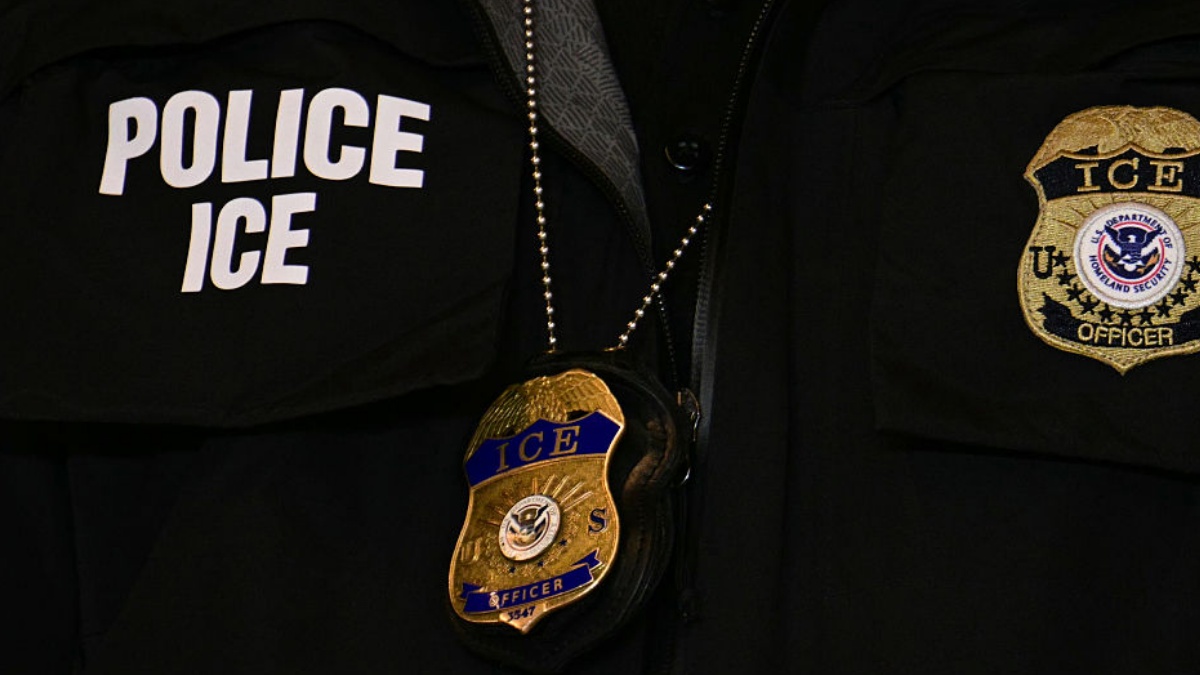

Federal immigration authorities detained more than 200 people during a sweeping crackdown in Maine this week, then rapidly transferred many of them out of state. As highlighted by The Guardian, the sudden relocations have left families scrambling to learn where loved ones are being held while attorneys race to stop removals from the United States.
The transfers have created immediate legal obstacles. Immigration lawyers say moving detainees out of state makes them harder to contact and sharply reduces the chances of preventing deportation, especially after a September ruling by the federal board of immigration appeals stripped bond eligibility from many people who crossed the border unlawfully.
With bond often unavailable, attorneys increasingly rely on habeas petitions to challenge detention. Those petitions must be filed in the jurisdiction where a detainee is physically held, meaning rapid transfers can eliminate the opportunity to contest custody before removal proceedings advance.
The speed of transfers is cutting off legal options
Immigration attorney Jenny Beverly said the pace has been overwhelming. Her team fielded constant calls while working extended hours simply to locate detainees and attempt to halt transfers, a challenge reminiscent of federal political tensions like Minnesota’s governor telling Trump’s AG to focus elsewhere. She said agents appeared prepared to move people immediately, forcing lawyers to file paperwork as soon as contact was made.
The volume of arrests has also strained local capacity. Maine has only a small number of attorneys trained to file habeas petitions, and on Thursday alone, 50 immigrants were removed from the Cumberland County jail, according to Sheriff Kevin Joyce. The Portland facility has served as the state’s central detention hub during President Trump’s second term, amid broader national debates over enforcement after Trump dodged questions around immigration and shootings in Minneapolis.
The removals followed a public dispute between Joyce and federal immigration authorities. The sheriff criticized the operation as “bush league policing,” while DHS assistant secretary for public affairs Tricia McLaughlin repeated prior claims that those detained were “the worst of the worst” and had been charged and convicted of serious crimes.
Advocates on the ground dispute that characterization. Sue Roche, executive director of a local nonprofit legal group, said her organization is seeing mostly people in lawful immigration processes with no criminal records. She alleged racial profiling and aggressive tactics, including people being taken from cars, targeted at home, and followed at grocery stores and schools.
Logistics are also driving the transfers. Maine lacks detention capacity for the scale of the operation, and while the nearest larger facility is in Burlington, Massachusetts, data shows more than 45 percent of detainees are being sent to Louisiana. At least eight Maine residents have already been transferred there, with one man reporting he is being held with about 100 others in tents near an active tarmac.
Nonprofit legal groups have become the primary source of emergency aid, as private firms often charge thousands of dollars for complex habeas litigation. Since last week, more than 60 people have sought emergency assistance to prevent removal, as attorneys continue working to locate detainees before they are moved beyond reach.









Published: Jan 29, 2026 04:15 pm