



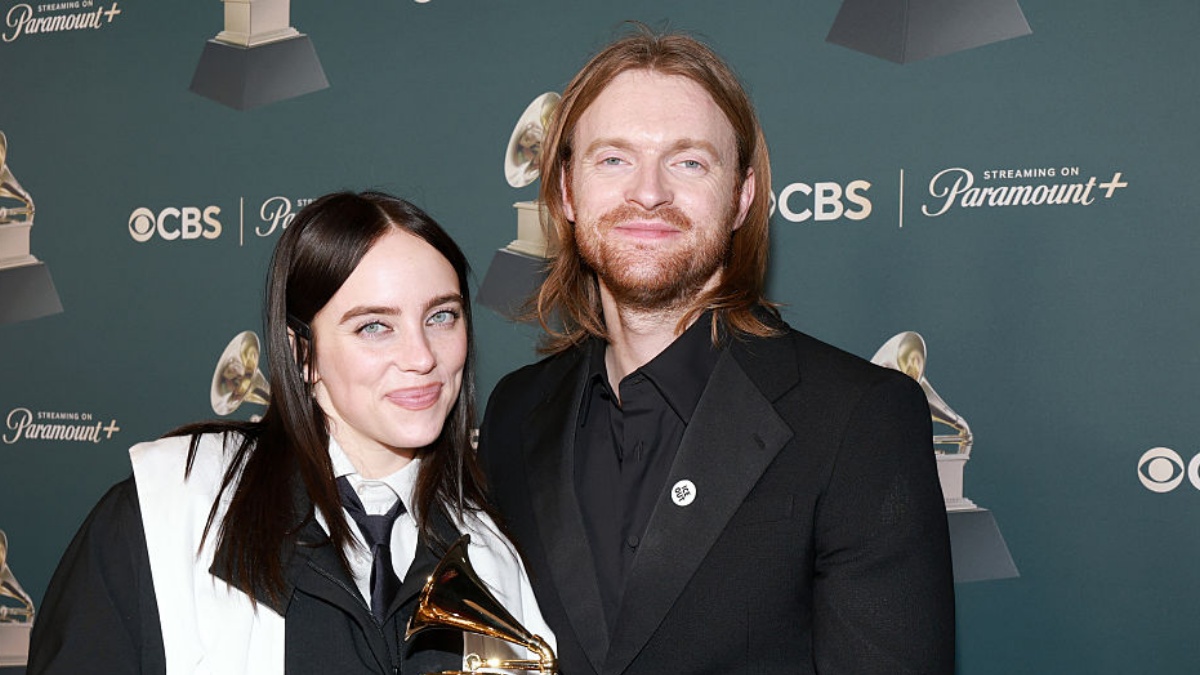

The 68th annual Grammy Awards, held in Los Angeles, California, became an unexpected site of political protest as several high-profile artists used the ceremony to denounce the United States government’s intensified immigration enforcement. As reported by Al Jazeera, many attendees wore “ICE OUT” badges that stood out more than any designer outfit on the red carpet.
Beyond the visual statements, multiple artists addressed Immigration and Customs Enforcement directly during acceptance speeches. Their remarks came amid nationwide protests against ICE raids, which have been linked to several deaths both during operations and in detention facilities.
Among the most prominent voices were Bad Bunny and Billie Eilish, each using their time on stage to issue blunt criticisms of federal immigration policy. Their comments drew immediate attention due to the broader political climate surrounding the awards show.
The protest overshadowed the night’s celebrations
Bad Bunny, who won a Grammy for his album Debi Tirar Mas Fotos, delivered one of the most direct statements of the evening. “We’re not savages, we’re not animals, we’re not aliens; we are humans, and we are Americans,” he said while accepting his award.
Billie Eilish echoed that sentiment when she received an award for her song “Wildflower.” From the stage, she declared, “F— ICE. No one is illegal on stolen land,” prompting a visible reaction throughout the venue.
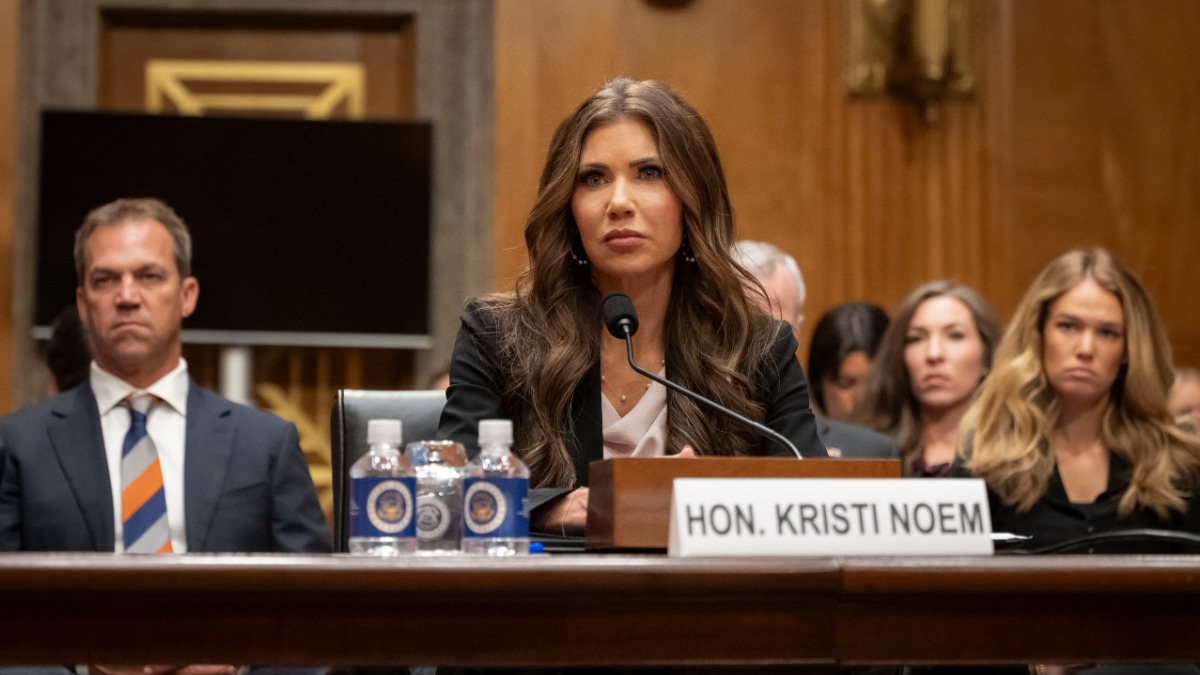
Bad Bunny’s comments carried additional weight due to scrutiny surrounding his upcoming Super Bowl halftime performance on February 8. Homeland Security Secretary Kristi Noem has said federal agents would be “all over” the event and warned that only “law-abiding Americans who love this country” should attend.
The Grammy protests followed public anger over recent federal operations, including the fatal shootings of two American citizens by federal agents. Tensions also escalated after the arrest of a five-year-old boy, Liam Conejo Ramos, and his father, who have since returned home to Minnesota.
Other artists expressed discomfort with celebrating amid the ongoing unrest. Damian Kulash of OK Go said feeling “any sense of joy and lightness” at the event felt “a little bit irresponsible,” adding that the government had “raised an army of … masked anonymous men to attack its own people.”
Bon Iver frontman Justin Vernon showed support in a quieter way by wearing a whistle during the ceremony. He said it was meant to honor legal observers who document the actions of federal agents during protests.
Jess Morales Rocketto, executive director of the Latino advocacy group Maremoto, said the statements made at the Grammys went beyond symbolism. She noted that artists often face resistance from record labels, managers, or corporate partners when speaking out, yet despite those pressures, multiple performers chose to use the Grammy stage to voice opposition to current immigration enforcement policies. Recent commentary on broader federal enforcement action was covered in coverage of a Border Patrol commander’s remarks on Republican and Democrat lawmakers.



Published: Feb 2, 2026 05:15 am