





Persian Gulf states are now pushing for the United States to completely cripple Iran, not just end the ongoing conflict, to ensure the regime can never again imperil its neighbors, as reported by The Wall Street Journal. These nations, particularly the United Arab Emirates, have found themselves battered by Iranian strikes and the severe disruption of the Strait of Hormuz, leading them to see Iran’s theocracy as an existential threat.
The U.A.E. has truly borne the brunt of these attacks, with over 2,000 drones and missiles fired at the country since the U.S. and Israel launched the war on February 28. More than 80% of these were aimed at civilian infrastructure, including oil facilities, airports, ports, hotels, and even data centers. These attacks have killed six civilians and injured 157 others, according to the U.A.E. government.
“This is not a military exchange. This is an attack on a peaceful nation, a nation that has been working diligently and very hard for diplomacy,” said Sultan al-Jaber, the U.A.E. Minister of Industry and Advanced Technology. He also serves as CEO of ADNOC, the country’s oil giant. Jaber emphasized that any long-term political settlement simply “must address the full spectrum of threats, including Iran’s nuclear program, ballistic missile capabilities, and their network of regional proxies.”
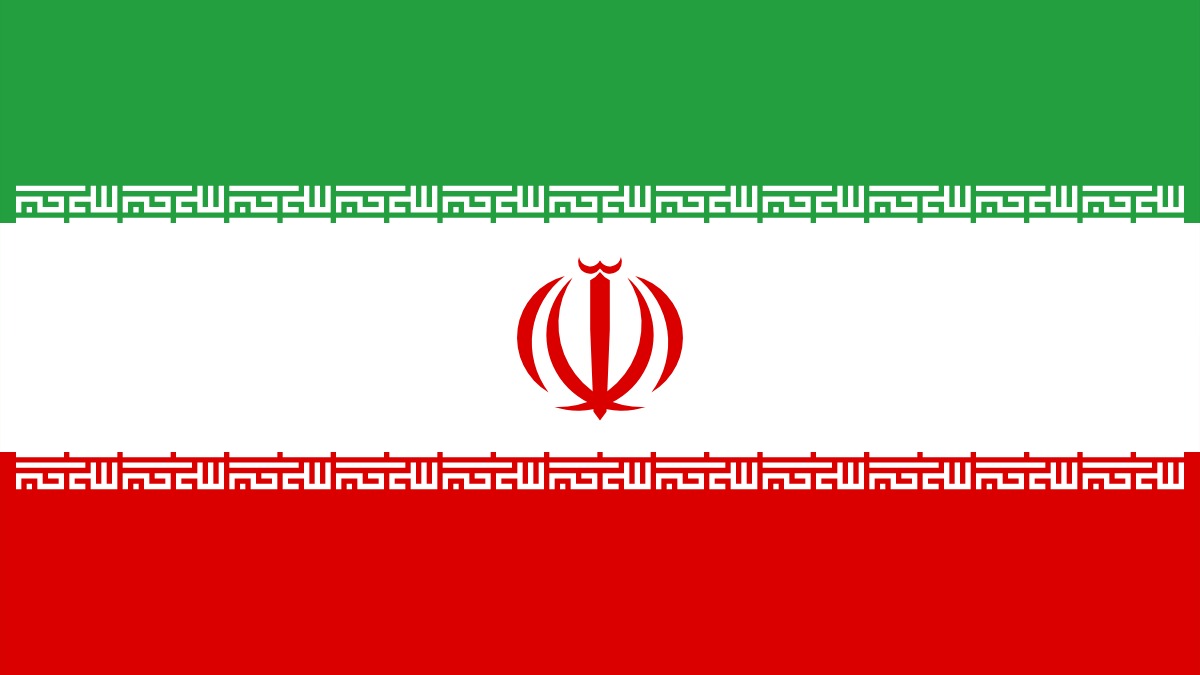
Iran, on the other hand, has been pretty unyielding
Before the war, Iran discussed its nuclear program with the U.S. but completely ruled out any negotiations on its missile arsenal or its sponsored paramilitary groups like the Houthis, Hezbollah, and various Iraqi militias. More recently, Iranian leaders have stated they’d only accept a ceasefire if Tehran receives reparations and ironclad guarantees against future attacks on the regime. They’ve also insisted they only target U.S. bases and interests, a claim that has understandably infuriated Gulf nations.
“Let me make it very clear. Since the Iranian attacks have started on Qatar, the threats and attacks on civilian targets have not stopped,” said Majed al Ansari, an adviser to Qatar’s prime minister. He noted that civilian casualties have occurred in all six Gulf states, and the toll would have been much higher without their sophisticated U.S.-made air defenses.
Given this willingness to rain death and destruction on its neighbors, another senior Gulf official stated that the only acceptable outcome is an Iran so defanged it could never again imperil anyone. Even with massive U.S. and Israeli bombing that has destroyed much of Iran’s air force and navy, and the killing of top security leader Ali Larijani, the Iranian regime continues to inflict pain. Just this week, it caused flight disruptions in Dubai after setting ablaze the fuel depot of the city’s main international airport.
The disruption of the Strait of Hormuz is another major point of contention. Jaber pointed out that this vital waterway, through which 35% of global crude oil and 20% of global liquefied natural gas used to pass, is an attack on the entire world, not just the Gulf states.
“By taking Hormuz hostage, Iran is committing global economic warfare,” he explained. “This is a global economic issue. It is not a regional problem. The disruption is going to increase inflation, it will slow economies, it will affect everyday lives. Families will end up paying more for food.”




Published: Mar 18, 2026 03:45 pm