



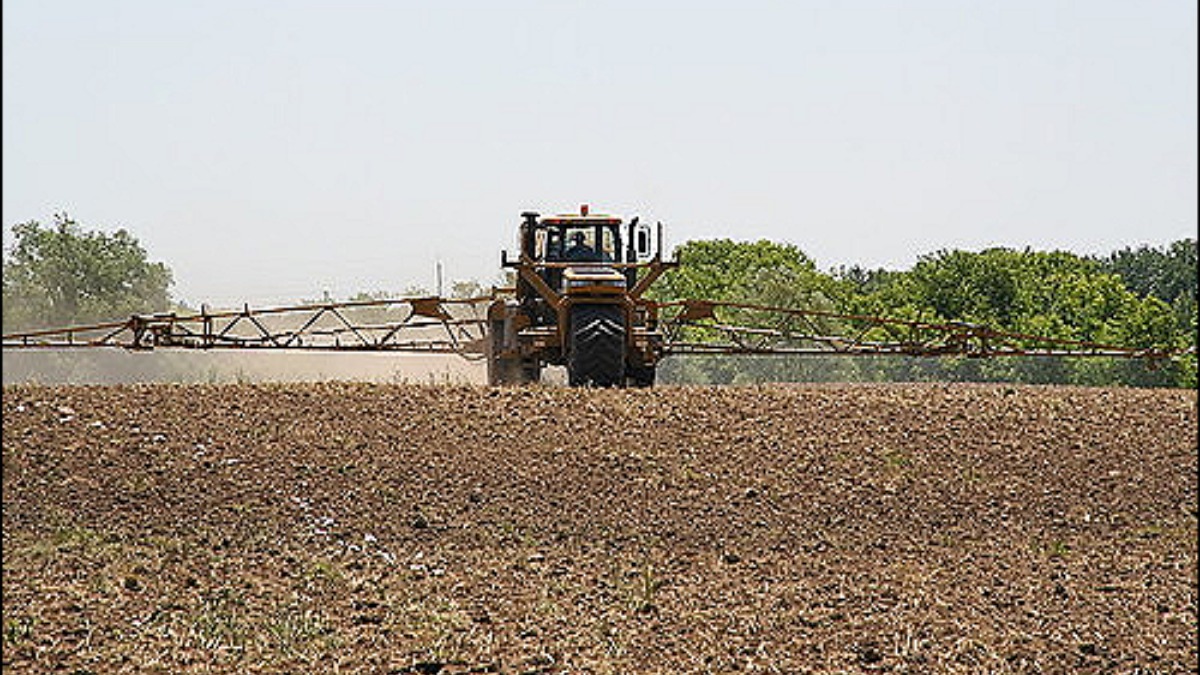

The US-Israeli war with Iran is threatening global food security, with officials warning that a growing fertilizer shortage could push an additional 45 million people into acute hunger if the conflict continues. While oil markets have grabbed most of the attention, a much less visible but equally serious problem is building quietly: a major disruption to the global fertilizer supply. This is especially bad news as planting seasons begin across large parts of Africa and Asia.
The core of the problem is Iran’s control over the Strait of Hormuz, a critical shipping route that has become a major bottleneck since the war began on February 28. About one-third of all fertilizer traded by sea passes through this strait. With traffic largely halted and several ships damaged, the disruption is already severe and immediate.
According to NBC News, fertilizer, particularly nitrogen-based products like urea and ammonia, is essential for growing crops and maintaining yields. Qatar, the world’s second-largest exporter of liquefied natural gas, a key ingredient in producing nitrogen fertilizers, is directly affected. Shipping delays and uncertainty around the strait have already caused prices to spike sharply.
The fertilizer crisis is hitting farmers and poor nations at the worst possible time
The effects are spreading fast across the global farming system. In India, Algeria, and Slovakia, fertilizer plants have reduced or halted production due to surging natural gas prices. China has restricted fertilizer exports to protect its own domestic supply. QatarEnergy has also announced it is stopping downstream urea production after halting liquefied natural gas output.
Price increases are stark. The cost of granular urea in Egypt has jumped to around $700 per metric ton, up from $400 to $490 before the war. Urea and ammonia prices have risen by approximately 50% and 20%, respectively, since the conflict began, reports CNBC. Potash and sulfur prices are also rising.
Chris Lawson, a vice president at CRU Group, a London-based commodities consultancy, said that with the Strait of Hormuz effectively cut off, a large share of global trade cannot move. He estimates that around 30% of exportable supplies from Saudi Arabia, Qatar, Bahrain, and Iran are currently unavailable.
Iran itself is one of the world’s largest exporters of nitrogen-based fertilizers, so its inability to ship is significant. Pakistan has been attempting to mediate the escalating Iran conflict, a development that could affect how long these trade disruptions last.
Máximo Torero, chief economist of the UN Food and Agriculture Organization, said a disruption of up to one month could be absorbed. But if it lasts three months or longer, the impact on planting decisions globally, for this year and beyond, would be severe, leading to lower yields and possible crop failures. Even in the best case, higher input costs will be passed on, pushing food prices up next year.
Poorer, import-dependent countries will be hit hardest. Malawi, for example, gets 61.6% of its fertilizer from the Gulf. Jacob Jumpha, a farmer there, told reporters via WhatsApp that “the war is likely to hit Malawi hard, especially in terms of fertilizer shortages,” adding that disruptions “could lead to a surge in prices, or even outright shortages.” Around 4 million Malawians, 22% of the population, are already experiencing high levels of acute food insecurity.
Ebony Loloji, director of the National Union for Small Scale Farmers of Zambia, stated that “most of his country’s fertilizer comes from the Middle East,” warning that “once prices start rising, affordability and access issues for fertilizer will absolutely begin to surface.” The UN has also warned that transport costs could rise by 30% to 60%, and even double on some routes.
Larger agricultural nations are not immune either. Brazil’s Agriculture Minister Carlos Fávaro warned that the war has already triggered urea price increases and could disrupt supplies. In the US, ammonia prices are 41% higher than last March, and urea prices have risen 21%. Fifty-four agricultural groups wrote to President Trump calling for “much-needed market relief for America’s farmers” amid surging fuel and fertilizer costs.
There are also growing concerns that Trump may not be fully briefed on the Iran war’s full scope, which could affect how quickly a resolution is reached. The World Food Programme warned that rising fuel and fertilizer costs, combined with shipping disruptions, could push an extra 45 million people into acute hunger, taking the global total above the current record of 319 million.
WFP Deputy Executive Director Carl Skau called it a “terrible, terrible prospect,” noting that “even before this war, we were already in a perfect storm where hunger had never been as severe.” If the conflict drags on, what Torero described as “one of the most rapid and severe disruptions” in recent times will continue to impact global food supplies well into the future.









Published: Apr 1, 2026 06:45 pm