



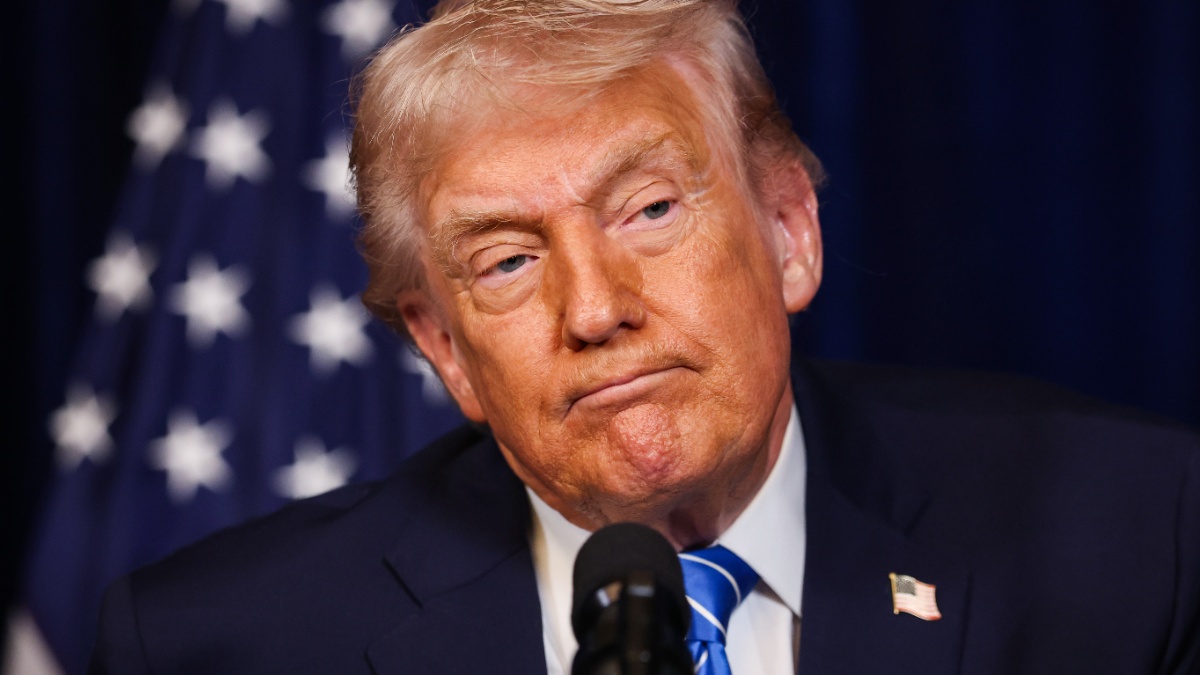

Brace yourself, because the cost of medicine is set to jump significantly in 2026, with price hikes projected for at least 350 different drugs across the United States, as per The Hill. This is a massive letdown, especially because this explosion in cost is happening immediately after President Trump celebrated what he called the “greatest victory for patient affordability in the history of American health care, by far.”
New data shows that the number of drugs slated for markups next year is dramatically higher than last year. In 2025, more than 250 drugs were already scheduled for price increases. Now, we’re looking at over 350. Analysis reveals the median price hike for these drugs is hovering right around 4 percent.
The president was referring to his administration successfully enforcing its “most favored nation,” or MFN, policy on more than a dozen major drugmakers this year. This policy procures agreements that ensure these companies will offer their products at MFN pricing, which means they sell the product for the same price as the lowest cost they sell it globally. They also agreed to offer direct-to-consumer options.
It’s a tough pill to swallow for consumers who were hoping for real relief
During an Oval Office press conference earlier this month, the president was extremely optimistic about the deals, announcing that nine additional companies had agreed to the policy. “The pharmaceutical companies were difficult, but they also love our country,” President Trump said. “They knew it was unfair, but they were great.”
The pharmaceutical companies didn’t exactly sign up out of the kindness of their hearts, though. They entered into these voluntary agreements with the White House under the threat of their products being subjected to tariffs that would definitely cut into their bottom lines.
Here’s the real kicker and the reason why these projected cost increases are so frustrating: several of the products set to cost more next year are made by the very companies that agreed to the president’s MFN policy, including pharmaceutical giants like Pfizer and GSK. This makes you wonder how effective the deal truly is if the companies can agree to lower global prices while still hiking up prices domestically.
The administration is moving forward with the direct-to-consumer platform called TrumpRx, which is expected to launch early in 2026. This platform is intended to help consumers access these lower prices directly. However, analysts are really critical of the MFN policy, arguing it doesn’t fix the fundamental problem behind high drug costs.
The pricing deals struck between the Trump administration and drugmakers apply mainly to the Medicaid program. This is a huge limitation because most Americans rely on commercial health plans, not Medicaid. Furthermore, the MFN pricing might have a negligible impact on Medicaid patients anyway, since that program already guarantees the lowest price offered to any commercial payer.
Experts from the Centre for Economic Policy Research pointed out that the primary driver of these astronomical costs is actually patent monopolies. They argue that neither MFN pricing nor simple drug price negotiation addresses this core issue. If we’re not hitting the patent problem directly, you can expect these price hikes to just keep coming, even after a supposed “greatest victory” for affordability.





Published: Dec 31, 2025 06:30 pm