



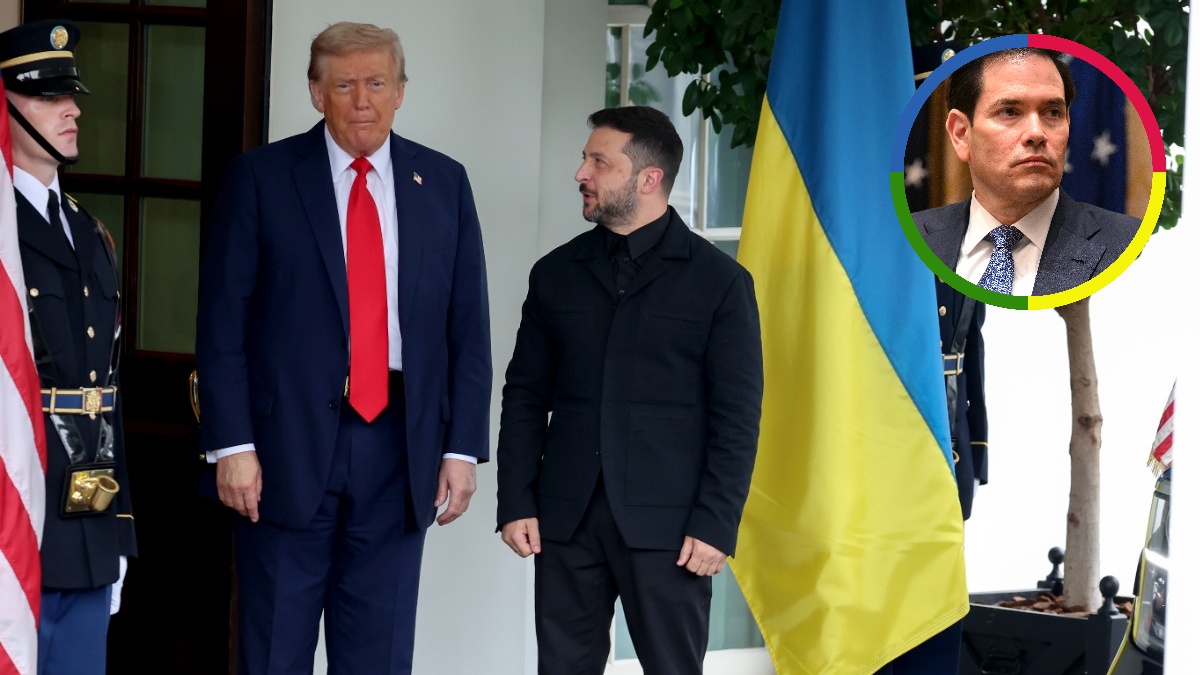

The 28-point peace plan backed by the U.S. to end the war in Ukraine, which was recently made public, actually drew heavily from a Russian-authored paper that outlined Moscow’s conditions for a ceasefire. This is huge news because it confirms that the document, whose existence was first reported by Reuters, was a key input in shaping the proposal.
The Russians shared this paper, known as a “non-paper” in diplomatic circles, with senior U.S. officials back in mid-October. This happened right after Ukrainian President Volodymyr Zelenskyy met with President Donald Trump in Washington. This non-paper contained language the Russian government had previously used at the negotiating table, including concessions that Ukraine has already rejected, such as ceding a significant chunk of its territory in the eastern part of the country.
The biggest issue here is the leverage the U.S. is using to push this plan forward. The United States has been applying intense pressure on Ukraine, warning that it could curb its military assistance if Ukraine doesn’t sign the deal.
You can’t seriously expect a nation fighting for its survival to accept what amounts to its invader’s wishlist
Unsurprisingly, skepticism has mounted among U.S. officials and lawmakers who rightly see the plan as essentially a list of Russian positions, not a balanced proposal. In fact, some senior U.S. officials who reviewed the original non-paper, including Secretary of State Marco Rubio, believed Moscow’s demands would likely be rejected outright by the Ukrainians.
The internal disagreement seems pretty significant. According to reports, a bipartisan group of U.S. senators said Secretary Rubio told them the 28-point plan was not a U.S. plan but truly a “Russian wish list.” While the White House and State Department are vigorously denying that Rubio characterized it that way, Rubio himself acknowledged receiving “numerous written non-papers and things of this nature” when speaking to reporters in Geneva this week.
It’s still unclear exactly why the Trump administration came to rely so heavily on the Russian document to craft its own peace plan. However, we do know some of the key players involved in its creation. The plan was composed at least in part during a meeting held in Miami last month between President Trump’s son-in-law Jared Kushner, special envoy Steve Witkoff, and Kirill Dmitriev, who heads one of Russia’s sovereign wealth funds.
Furthermore, it was reported that Witkoff has been advising high-ranking Kremlin aide Yuri Ushakov on how President Putin should speak to President Trump. Call transcripts obtained by the news agency showed that Ushakov and Witkoff alluded to a possible “20-point plan,” which later expanded into the 28-point framework during follow-up conversations with Dmitriev.
Despite the controversy, President Trump remains optimistic about the plan’s progress. He has directed Witkoff to meet with President Putin in Moscow, and simultaneously, Secretary of the Army Dan Driscoll will meet with the Ukrainians.
Ukrainian officials said they support the modified framework that has emerged from these latest discussions. They stressed, though, that the most sensitive issues, particularly those contentious territorial concessions, absolutely need to be finalized at a potential meeting between Zelenskyy and Trump. French President Macron also pointed out much the same yesterday.


Published: Nov 26, 2025 06:30 pm