



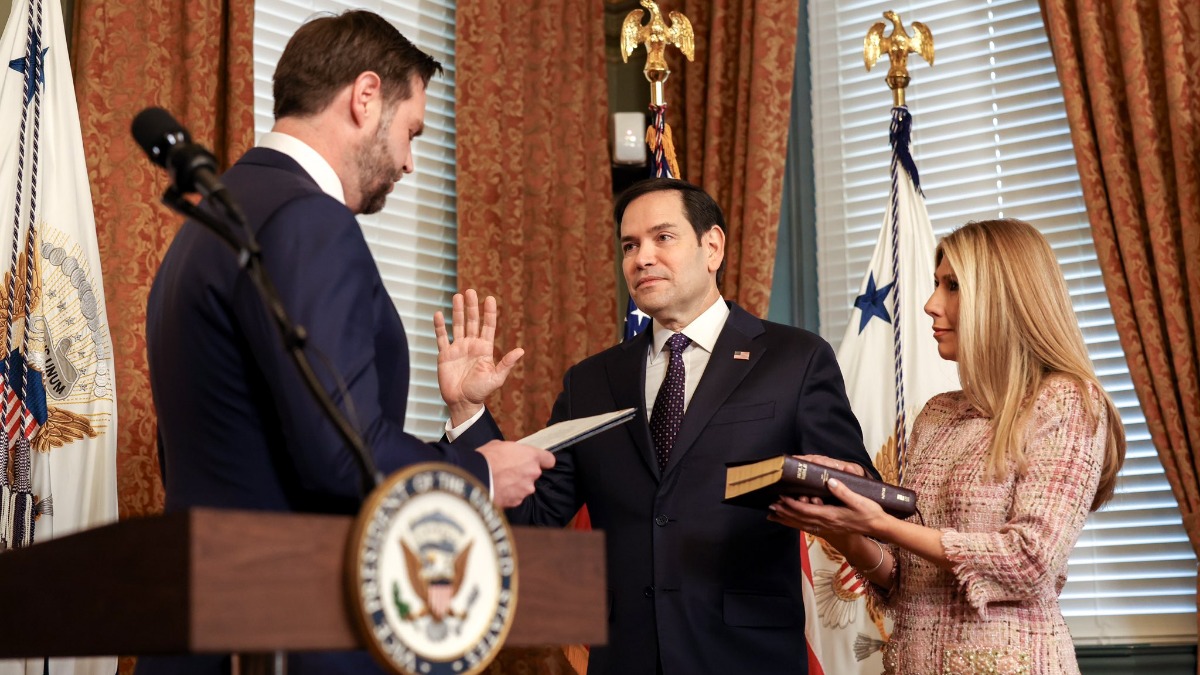

President Trump recently floated the idea of Vice President J.D. Vance and Secretary of State Marco Rubio as a potential dream team for the 2028 presidential election, The Hill reported. During a dinner in the Rose Garden with law enforcement officials, held in honor of National Police Week, the president took the opportunity to gauge the room. He asked attendees who they preferred between the two high-ranking officials before commenting on how they might look as a ticket.
“Who likes J.D. Vance? Who likes Marco Rubio? All right. Sounds like a good ticket. J.D. is a perfect — That was a perfect ticket,” the president said. He made sure to clarify that his comments did not equate to an official endorsement, noting that these were just minor details. Even so, he remarked that it certainly sounds like a presidential and vice presidential pairing.
This is not the first time the president has played with the idea of pitting these two potential successors against each other. It has become something of a recurring theme within his inner circle. Back in March, for instance, he hosted a gathering at his Mar-a-Lago resort in Palm Beach, Florida, where he posed a pressing question to donors and top administration officials: “Marco or JD?” The responses from that room were mixed, with some attendees favoring Rubio, while others felt the room was split.
The internal horse race between Vance and Rubio has been a major point of conversation for political observers
For those who have followed the president’s career, this type of behavior isn’t exactly surprising. GOP strategist Brian Seitchik, who worked on the 2016 and 2020 campaigns, has noted that it is very much in the president’s DNA to perform these kinds of pulse checks. He explained that the president is constantly evaluating and comparing his team members, and he is well aware that such questions stir up competition.
Rubio, who launched a presidential bid back in 2016 before suspending his campaign, eventually returned to the Senate and later joined the second Trump administration. He has recently seen his stock rise due to his work on the international stage, including his role as acting national security adviser and his involvement in negotiations regarding the conflict with Iran. In March, the president even went as far as saying that he thinks Rubio is going to go down as the greatest Secretary of State in history, citing his success in various roles.
On the other hand, Vance remains a strong contender and is often viewed as the heir apparent to the MAGA movement. While Rubio is seen by some as a smoother version of the platform, Vance is often characterized as having a more pugilistic style.
Despite the constant speculation, neither man has expressed an intent to launch a campaign for 2028. Both have repeatedly stated that their primary goal is to focus on the work of the current administration. In fact, Vance has previously called Rubio his closest friend in the administration, and Rubio told Vanity Fair in December that he would be one of the first people to support Vance if the vice president decided to run for the White House.
The political landscape is always shifting, and the president’s focus on 2028 seems to be part of a larger reflection on his legacy. As New Hampshire Republican strategist Jim Merrill pointed out, the president is at a point in his political life where he is thinking about what comes next. While some allies suggest the entire apparatus is currently lined up behind Vance, others note that the dynamic could change depending on how the president chooses to signal his support.
There are certainly risks for both men. Rubio has faced some friction with certain factions of the base, particularly regarding his foreign policy stances. Meanwhile, Vance is navigating his own path as he remains the favorite in many early polling averages.
According to data compiled by Race to the WH, Vance holds roughly 46 percent support in a potential GOP primary, while Rubio sits at about 13 percent. It is a competitive environment, and as one longtime Rubio ally noted, the president can easily shake things up if he signals that the primary is open.
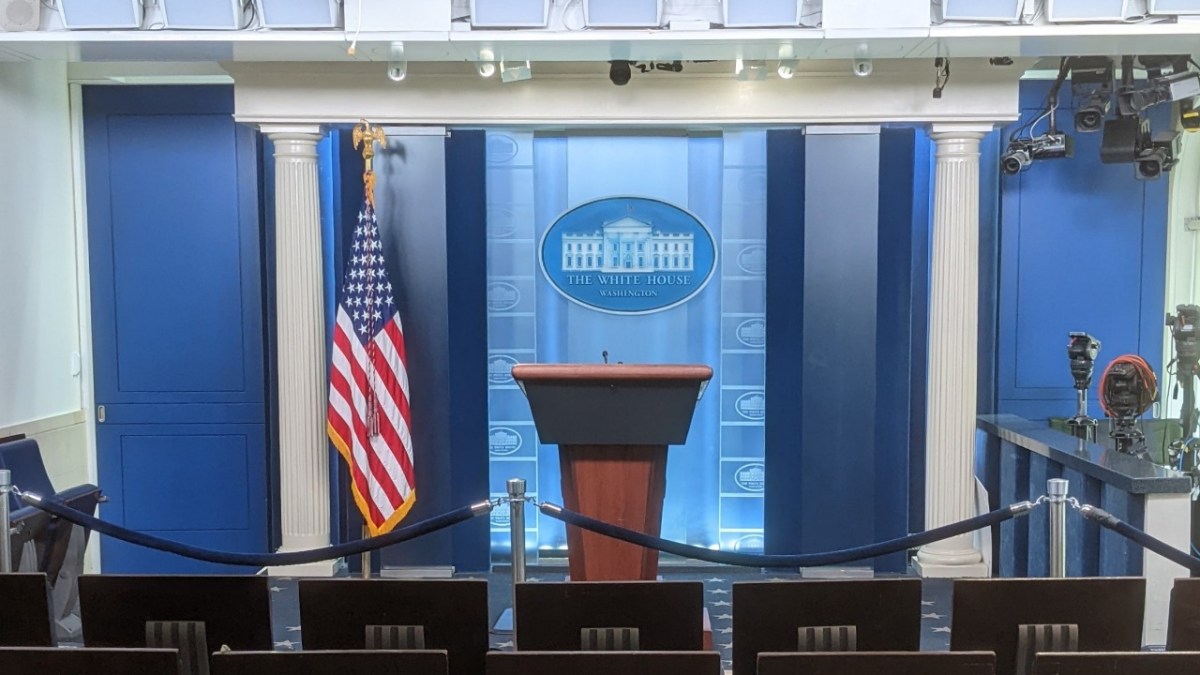
For now, the White House continues to downplay the idea of an internal rivalry. White House communications director Steven Cheung has dismissed the reports as media speculation, emphasizing that the administration is focused on its mission of fighting for the American people.



Published: May 12, 2026 04:00 pm