



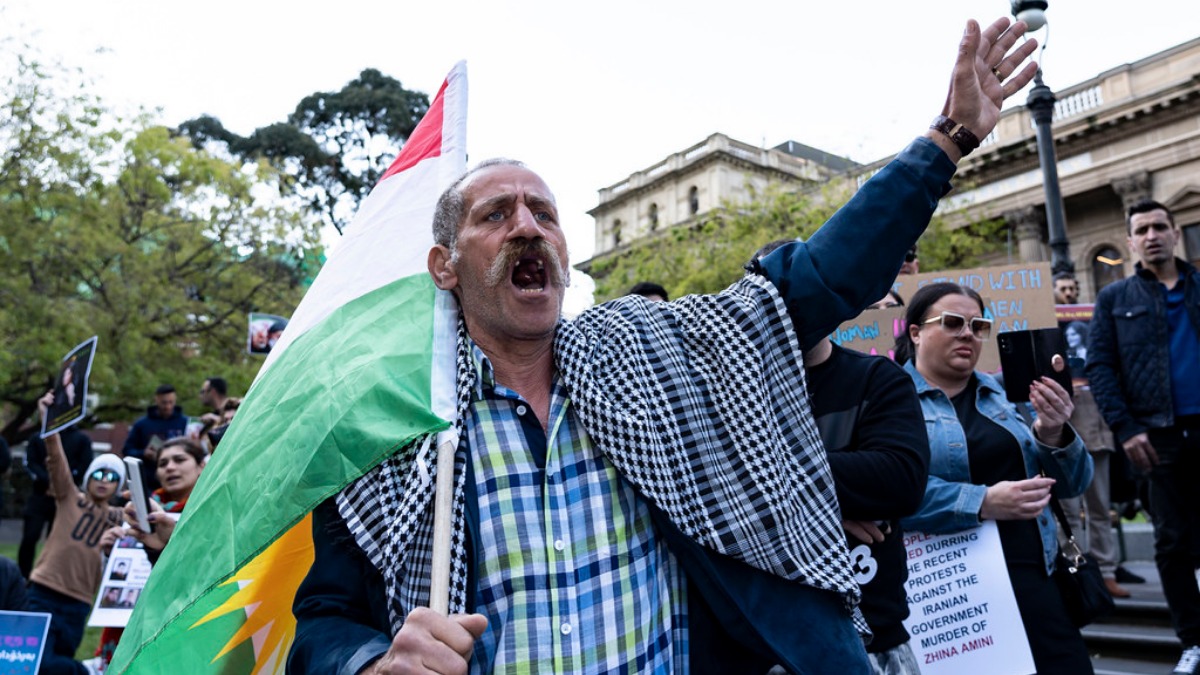

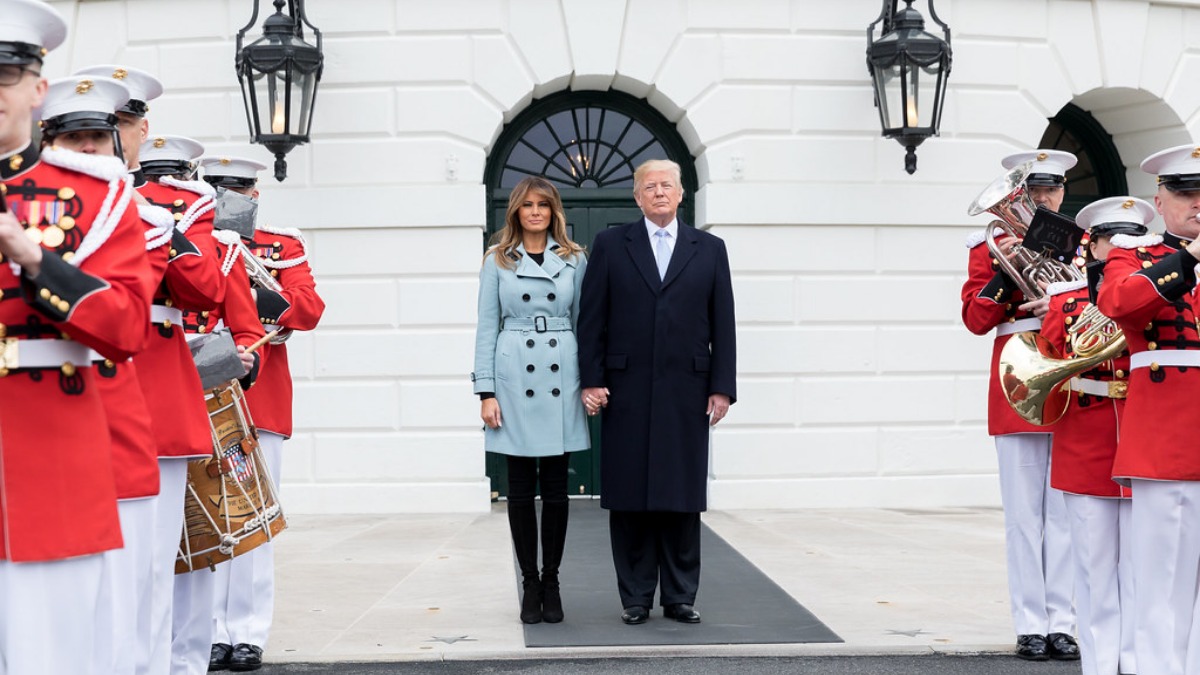
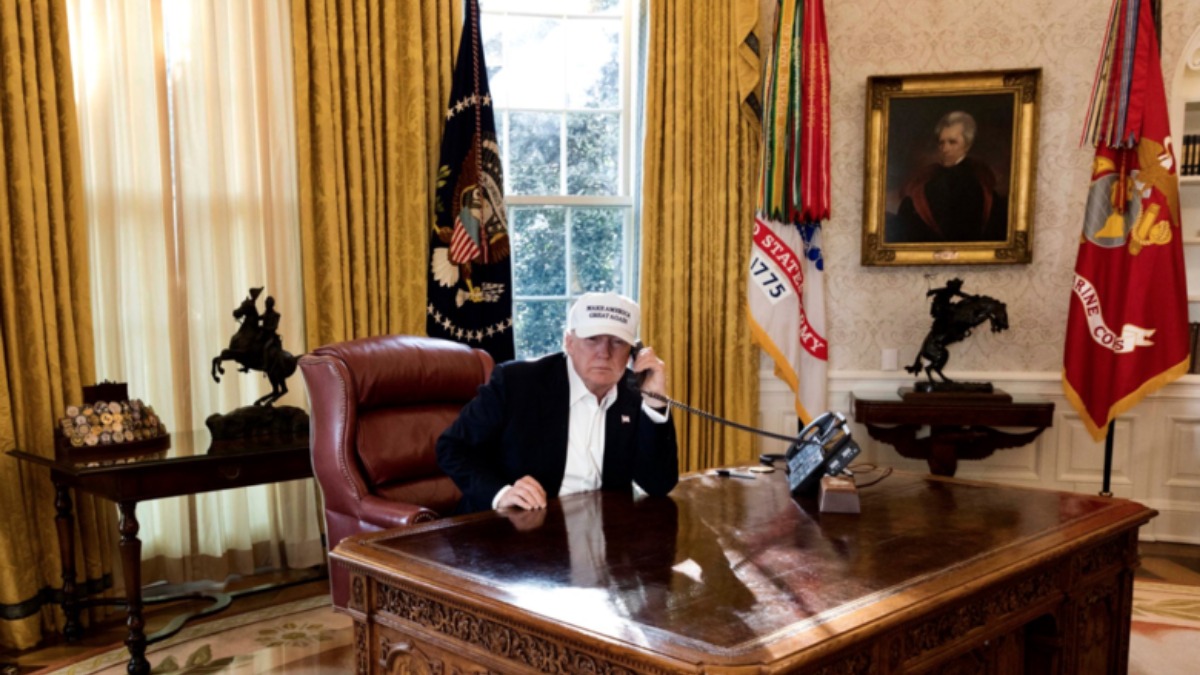
President Donald Trump confirmed that the United States supplied weapons to Iranian protesters earlier this year. He said he believes those arms ended up with Iran’s Kurds instead of the protesters they were meant for. This appears to be the first time the U.S. has officially acknowledged involvement in efforts to support the demonstrations that shook Iran for weeks.
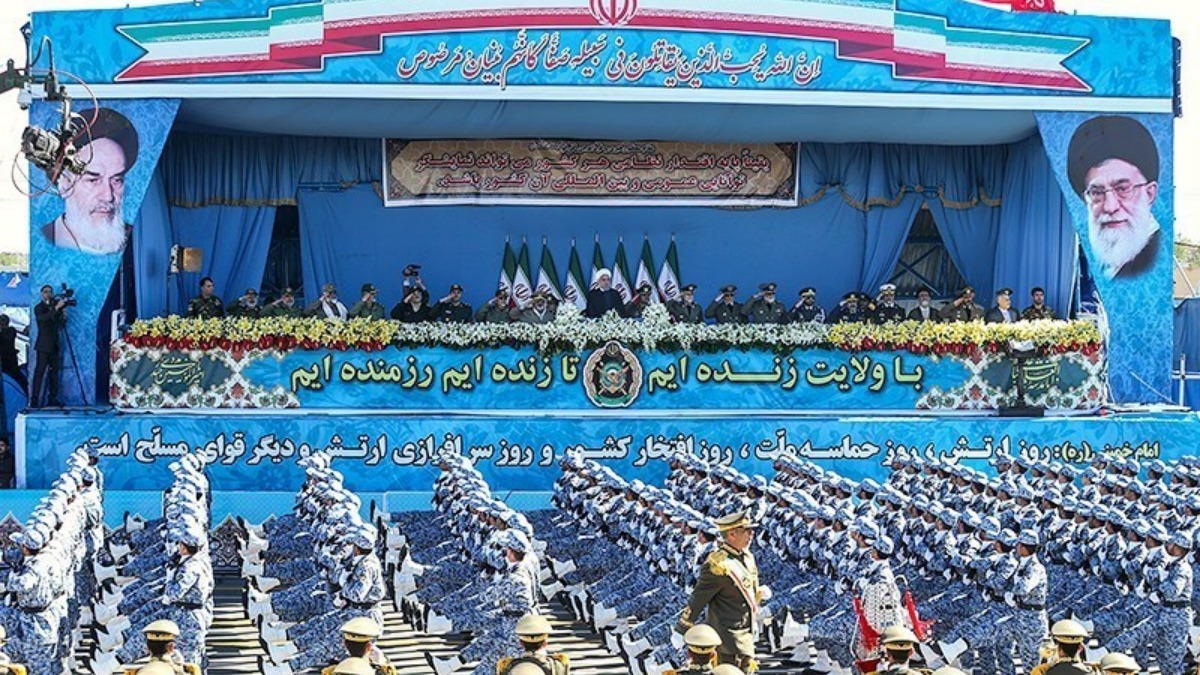
The protests began shortly before the new year, driven by severe economic conditions inside Iran. They lasted for weeks before the Iranian government violently shut them down. According to The Independent, Trump alleged that Iranian officials killed more than 40,000 civilians during the crackdown.
The disclosure that the U.S. was trying to arm protesters is notable, especially because it happened while U.S. negotiators were meeting with senior Iranian officials in Europe. Trump made these remarks during a series of Sunday interviews, where he also addressed other aspects of the ongoing conflict with Iran.
The Kurdish angle adds serious complexity to an already tangled war
The Kurds are an ethnic group native to a region they call Kurdistan, which spans parts of southeastern Turkey, northern Syria, northern Iraq, and northwestern Iran. Their global population is estimated between 30 and 40 million, but they have no independent nation-state. For decades, Iranian Kurdish exiles have lived in a semi-autonomous region of Iraq near the Iranian border, established after the 1979 Islamic Revolution.
Iranian Kurdish factions have long pushed for regional autonomy and a change in Iran’s government. Recently, these factions have reportedly been preparing for a possible ground offensive against Iran’s current regime. Sources suggest these militias are backed by both the Mossad and the CIA. According to Axios, the U.S. primarily works with two Kurdish political groups: the Kurdistan Democratic Party (KDP) and the Patriotic Union of Kurdistan (PUK).
Trump also issued strong warnings about the conflict. He threatened to target Iranian power plants on Tuesday if a deal was not reached to reopen the Strait of Hormuz. “Open the f—in’ Strait, you crazy b—–ds, or you’ll be living in Hell,” he warned. He also told an interviewer that “very little” would be off the table, adding, “If happens, it happens. And if it doesn’t, we’re blowing up the whole country.”
Earlier in the conflict, Trump claimed the U.S. had destroyed Iran’s military, but Iran responded by striking multiple U.S. aircraft in a single day. Trump also gave more details about the rescue of an American service member whose F-15 was shot down over Iran on Friday. The rescue was confirmed late Saturday after a multi-day search.
Trump said U.S. officials worried the service member might be captured, and that a beacon signal could have been a trap. “Thousands of these savages were hunting him down,” Trump said. “Even the population was looking for him. They offered people a bonus if they captured him.”
Despite the administration’s claims that Iran’s military has been effectively destroyed, the Iranian government still appears to be functioning, and the Strait of Hormuz remains closed, keeping oil prices on the rise. Trump’s stated goals have also shifted, with more focus now on reopening the strait than on seizing Iran’s enriched uranium supply. He did reaffirm on Sunday that permanently ending Iran’s nuclear weapons program remains a key condition for any diplomatic resolution.
Meanwhile, cracks are showing in the Iranian opposition, as Reza Pahlavi, the exiled son of Iran’s last shah, condemned the Kurdish offensive, saying “Iran’s territorial integrity is the ultimate red line.” In a separate legal matter, Trump has also been in the news for comparing his Jan. 6 speech to a rap performance, a claim a federal judge recently rejected in detail.


Published: Apr 6, 2026 08:30 am