



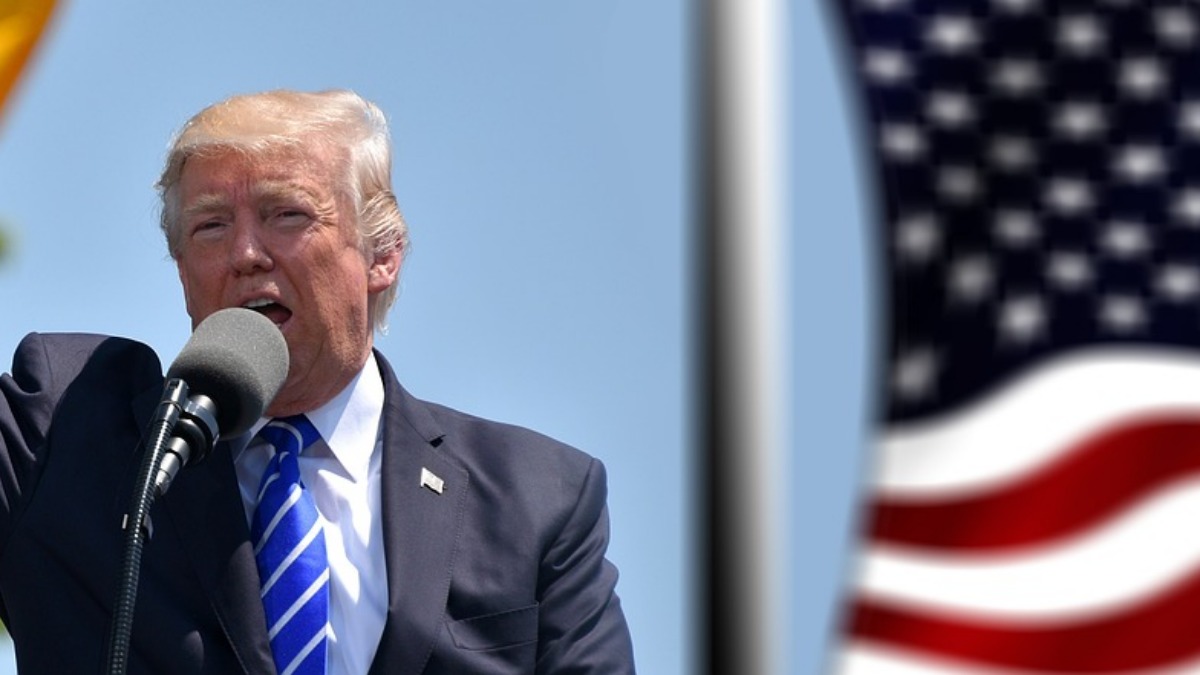

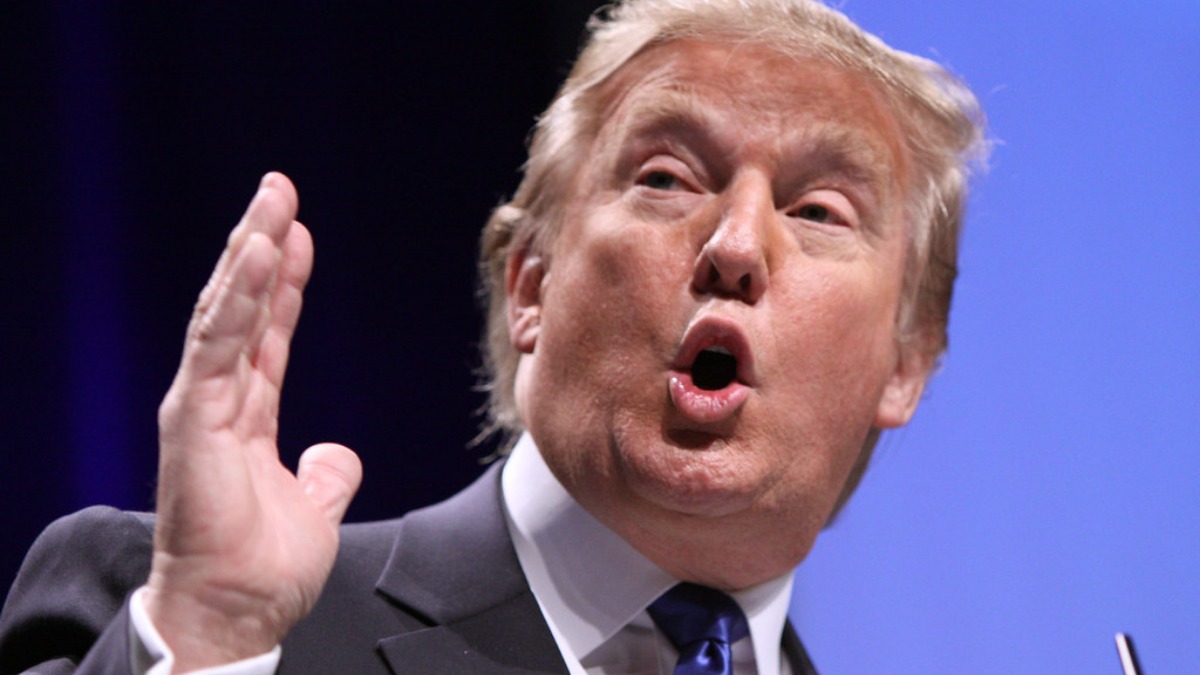
President Trump recently declared that U.S. membership in the North Atlantic Treaty Organization, better known as NATO, is “beyond reconsideration,” marking one of his strongest criticisms of the alliance to date. This statement really highlights a growing tension between the president and America’s international partners, especially as global events unfold.
“I would say [it’s] beyond reconsideration. I was never swayed by NATO. I always knew they were a paper tiger, and Putin knows that too, by the way,” President Trump explained in an interview with The Telegraph. He was, of course, referring to Russian President Vladimir Putin, making it clear that his skepticism about the alliance isn’t new.
The president’s comments are the latest in a series of rebukes he has issued to NATO members, particularly concerning their response to the ongoing conflict in Iran. He has been slamming allies for not heeding his calls to help the U.S. police the Strait of Hormuz, a vital global shipping lane. Iran effectively closed this crucial oil shipping lane in response to the U.S.-Israeli military operation in the country, causing significant disruption to oil supplies for many nations.
This situation has certainly put a spotlight on international cooperation, or the perceived lack thereof, from President Trump’s perspective
President Trump recently told U.S. allies that they either need to purchase U.S. oil or figure out how to get it from the Strait of Hormuz themselves. He made it clear that they need to start learning how to fight for themselves. Many U.S. allies, especially European countries, have been severely impacted by the war’s effect on oil, given that they typically obtain a lot of their oil from the strait.
Trump has been particularly critical of the United Kingdom’s response to the crisis. “You don’t even have a navy. You’re too old and had aircraft carriers that didn’t work,” the president said in the interview. He also took aim at the country’s prime minister, Keir Starmer. “I’m not going to tell him what to do. He can do whatever he wants. It doesn’t matter. All Starmer wants is costly windmills that are driving your energy prices through the roof,” he continued, linking Starmer’s focus on clean energy projects to rising costs.
Secretary of State Marco Rubio seemed to echo President Trump’s sentiments. Rubio indicated that the U.S. will reexamine its relationship with the alliance, stating that the ultimate decision rests with the president. President Trump reportedly told the publication that he was “glad” Rubio made those comments. This is interesting because Rubio actually spearheaded legislation during his time in the Senate that would prevent any president from withdrawing the U.S. from NATO without approval from the Senate or an act of Congress.
The question of whether President Trump can actually withdraw the United States from NATO without congressional approval is a bit complicated. According to a Congressional Research Service report, it might depend on a court’s analysis. While President Trump claims he can unilaterally withdraw, a law passed by Congress in 2023 states that any such move would require the advice and consent of the Senate or an act of Congress. Then-Senator Marco Rubio, now the U.S. Secretary of State, was a co-sponsor of that very law, alongside Democratic Senator Tim Kaine of Virginia.
Senator Thom Tillis, the top Republican on the bipartisan Senate NATO Observer Group, also weighed in last month. He stated that it is “factually not true” that President Trump can pull out of NATO without Congress. “The president of the United States cannot withdraw from NATO. Now, having said that, the president can poison the well, the president can make it functionally defunct if he wants to,” Tillis explained.
However, a separate 2020 legal opinion from the Department of Justice’s Office of Legal Counsel suggests that the president has exclusive authority over treaties. So, there’s clearly a legal debate brewing about the extent of presidential power here.



Published: Apr 1, 2026 04:00 pm