



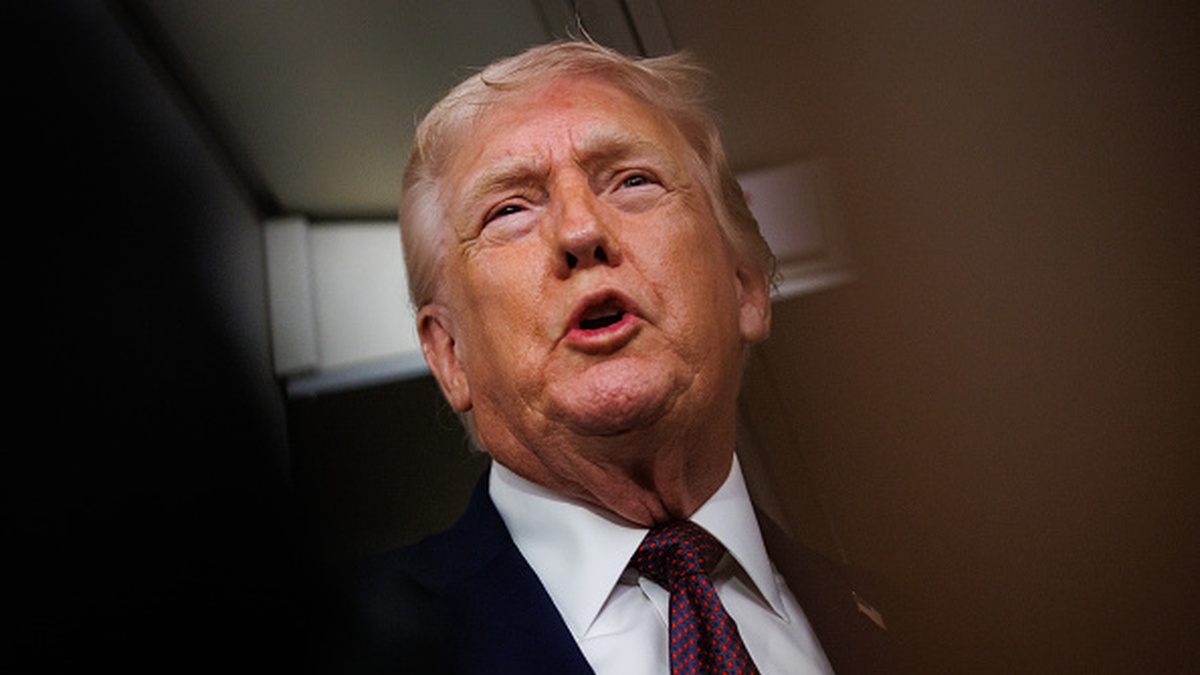

President Trump has threatened to invoke the Insurrection Act of 1807 to deploy federal troops to Minnesota amid ongoing protests. The story gained traction when reported by The Hill, outlining a move that would significantly expand federal authority within a state.
The Insurrection Act is a law passed more than 200 years ago that allows the president to deploy military forces or federalize a state’s National Guard to suppress an insurrection or enforce federal laws. The statute permits the president to “employ, for the same purposes, such part of the land or naval force of the United States, as shall be judged necessary,” provided legal prerequisites are met.
Trump issued the warning publicly through social media, saying he would act if Minnesota’s leadership failed to halt violence tied to protests. He accused state officials of allowing what he described as agitators and insurrectionists to target Immigration and Customs Enforcement officers and said he would invoke the law to intervene directly.
The Insurrection Act gives the president unusually broad authority
Unlike typical federal troop deployments, the Insurrection Act grants military forces far more latitude in domestic law enforcement. In recent years, Trump has relied on Title 10 authority, which allows federal troops to support local law enforcement but limits their direct policing role, making it less intrusive for states. The threat also follows recent Ukraine-related remarks that highlighted Trump’s willingness to escalate pressure publicly.
The Insurrection Act also serves as an exception to the Posse Comitatus Act of 1878, which restricts the federal government from using the military for routine law enforcement. That limitation is considered a cornerstone of state sovereignty, and bypassing it carries serious legal implications. Broader concerns over executive authority have surfaced alongside actions such as emergency aid to Cuba, which have also drawn scrutiny.
Minnesota officials have strongly opposed federal intervention. Governor Tim Walz has not requested assistance and has publicly rejected it, even while preparing the state’s National Guard. He stated that Minnesota does not need further federal help and directly criticized Trump and Homeland Security Secretary Kristi Noem for escalating the situation.
Local leaders in Minneapolis have echoed that position. Mayor Jacob Frey and the city’s police chief have described most protests as peaceful, despite isolated incidents involving fireworks and injuries to an officer. Frey said the city would not respond to federal threats with disorder of its own and emphasized that Minneapolis remains safe.
The Insurrection Act was last invoked in 1992, when President George H.W. Bush sent federal troops to Los Angeles at the request of California’s governor following riots sparked by the Rodney King verdict. More than 40 people were killed, thousands were injured, and over 3,000 arrests were made before order was restored.
Minnesota’s current situation differs sharply from that precedent, particularly because state leaders are not asking for federal intervention. Trump has previously considered invoking the Act during the 2020 protests after George Floyd’s killing and again during unrest in Portland last year, but any use of the law requires meeting specific legal thresholds that have not yet been demonstrated.






Published: Jan 15, 2026 05:00 pm