




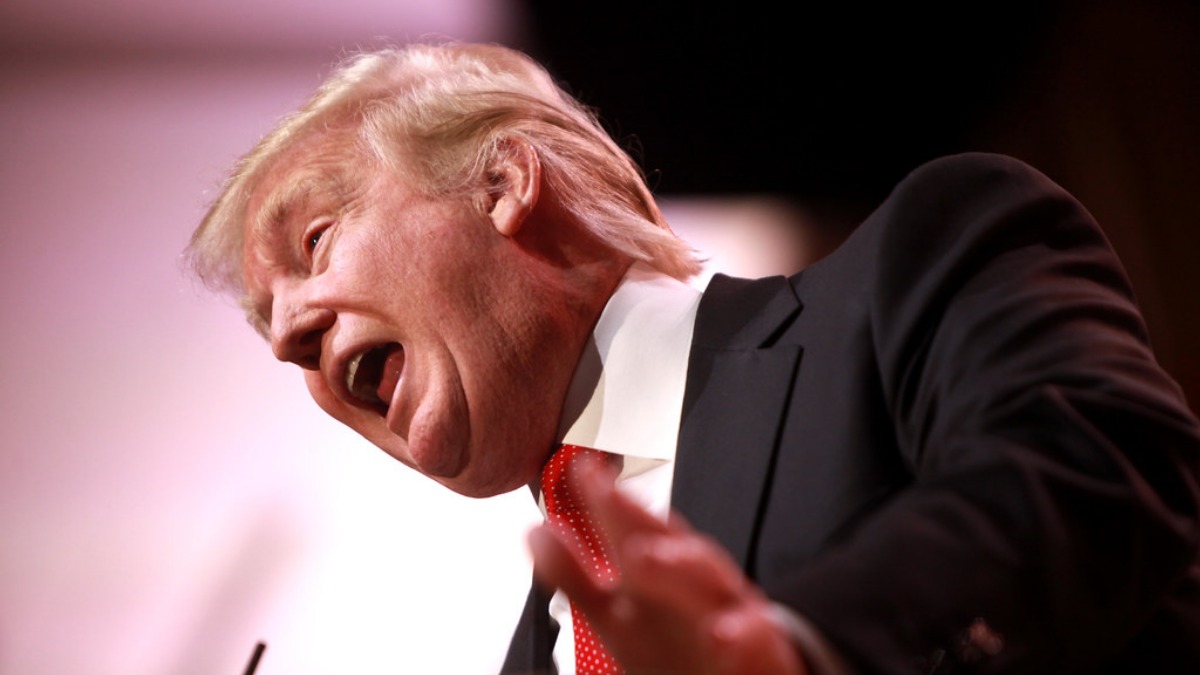
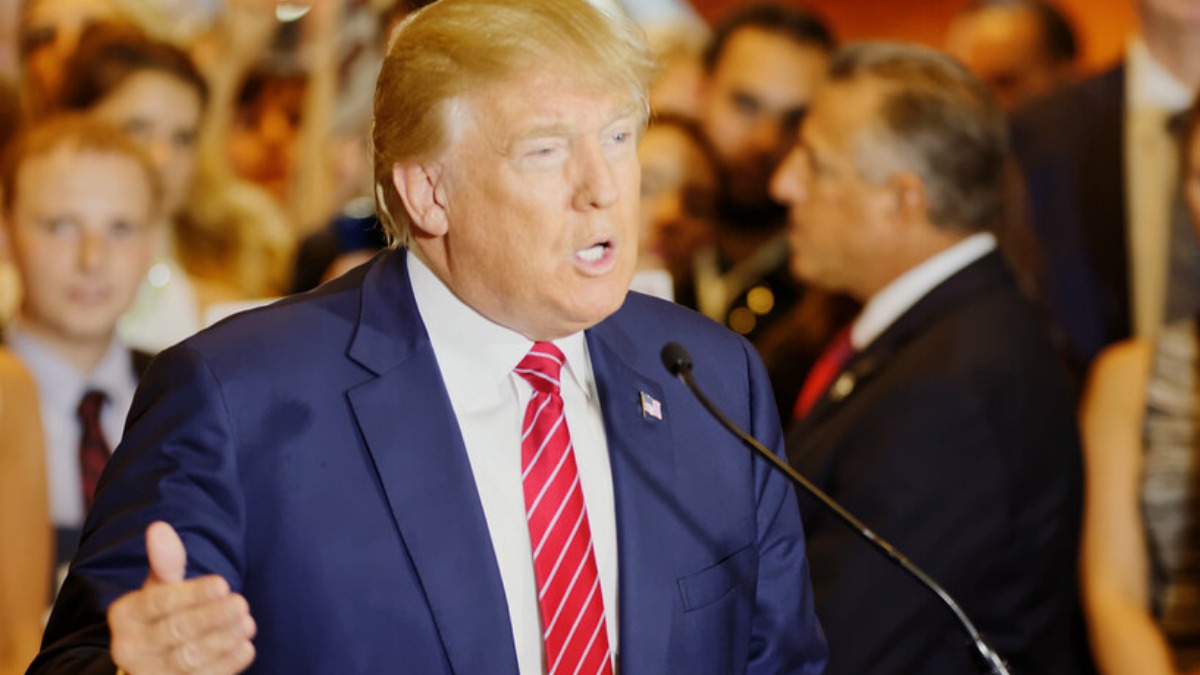
President Donald Trump threatened a 50% tariff on goods from any country that supplies military weapons to Iran. The announcement came right after a two-week ceasefire agreement between the U.S. and Iran was reached, marking a major shift in the ongoing conflict.
According to CNBC, Trump laid out his position clearly in a Truth Social post: “A Country supplying Military Weapons to Iran will be immediately tariffed, on any and all goods sold to the United States of America, 50%, effective immediately. There will be no exclusions or exemptions!” The message left no room for negotiation.
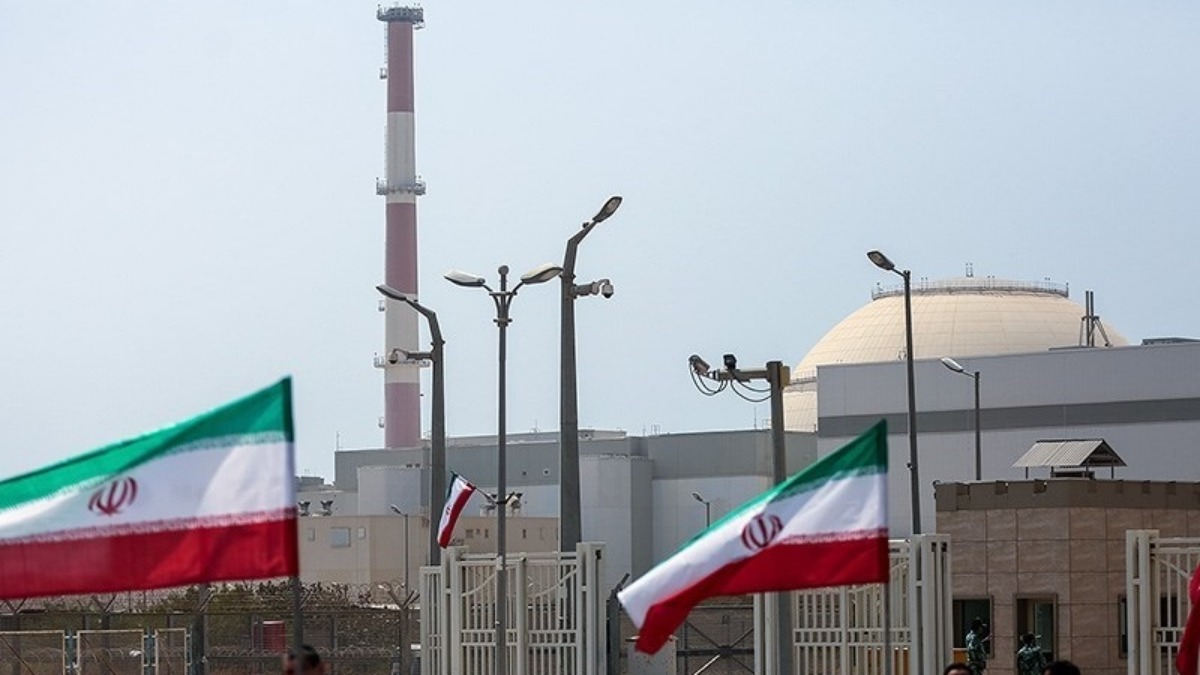
Trump also mentioned in a separate post that the U.S. would “work closely” with Iranian authorities, referring to what he called “very productive regime change.” He added that key parts of U.S. peace proposals, including stopping uranium enrichment, had already been agreed upon by Iran.
China and Russia have built a sophisticated system to keep Iran’s military running despite Western sanctions
While the tariff threat does not name specific countries, China and Russia have long been identified as the main suppliers enabling Iran’s military. Experts describe this arrangement as an “Axis of Evasion,” a network of supply chains that helps Iran develop weapons like drones and advanced navigation systems while avoiding Western sanctions.
According to The Atlantic Council, China imports sanctioned oil from Russia and Iran and, in return, sells them advanced dual-use technology. This system operates largely outside the Western financial system, making it difficult to stop.
Despite decades of U.S. sanctions against Iran, Western-made components still end up in Iranian weapons, often routed through Chinese distributors. This has been part of a broader pattern of escalating U.S. military pressure on Iran that has intensified in recent months.
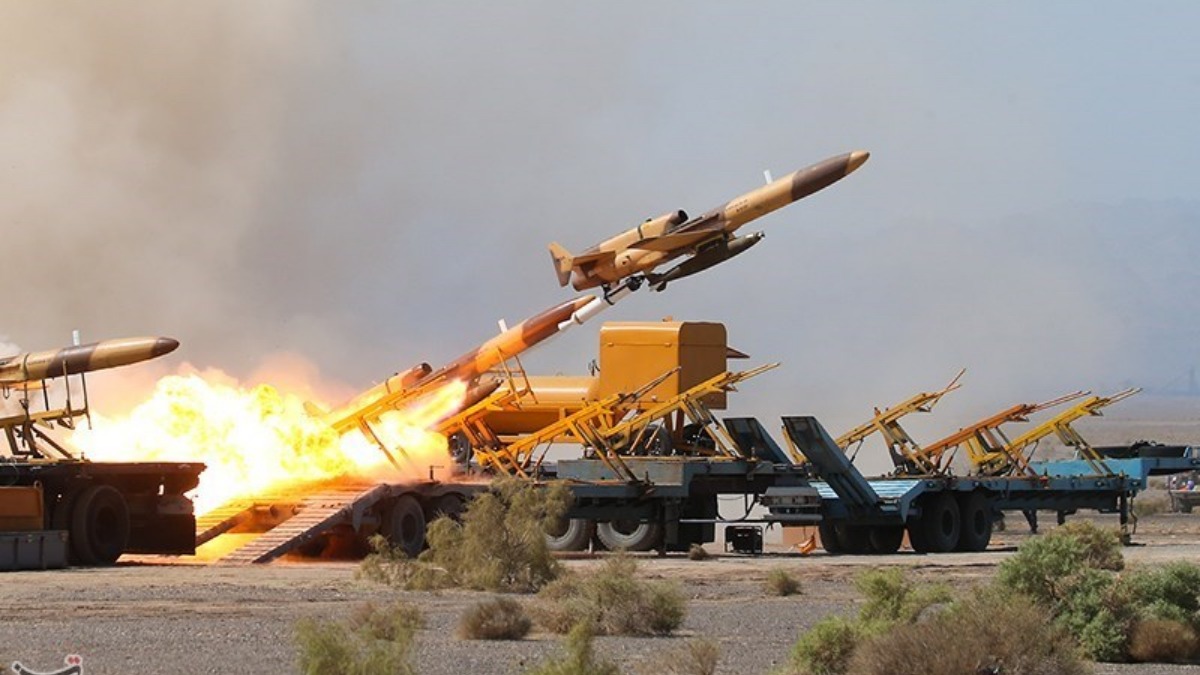
Iran’s Shahed drone series is a clear example of how this works. These drones rely on imported electronics, engines, navigation parts, batteries, and semiconductors that originate from the U.S., Europe, and Japan, but are rerouted through Chinese traders before reaching Iran. Chinese dual-use exports to Iran reportedly surged after a strategic partnership was formalized in January 2024 and again after Trump reinstated maximum pressure on Iran in June 2025.
Russia and Iran have also been swapping drone technology and production knowledge since 2022. In February 2023, Russia set up a drone production facility at the Alabuga Special Economic Zone using Iranian technology.
As part of a deal, Iran transferred 600 disassembled Shahed-16 drones, parts for 1,300 more, and technical training to Russia. By 2025, Russia had moved roughly 90% of its Shahed assembly to domestic facilities and developed an improved version, the Garpiya-3, reportedly with help from Chinese specialists.
Navigation systems are another critical piece of this network. China has been transferring both Chinese- and Western-made navigation technology to Iran, while Russia shares satellite data and modified drone technology based on its combat experience in Ukraine.
The U.S. Treasury sanctioned Chinese front companies in February 2025 for supplying navigation devices to improve Iranian drones. China also gave Iran access to its BeiDou satellite positioning system in 2021, which Iran has reportedly used to generate decoy signals to hide its military movements.
Iran’s missile and explosives production also depends on chemical materials sourced through Chinese companies, many of which are part of large industrial clusters. Iranian procurement networks use intermediaries and re-export hubs to hide the true destination of these shipments, exploiting gaps in global export controls.
A recent report indicated that Iranian vessels sailing from China are carrying precursors for rocket fuel. The U.S. Treasury has sanctioned individuals in both Iran and China for procuring ballistic missile propellant ingredients, but enforcement remains difficult when production is spread across many countries.
It is also worth noting that the U.S. has taken inconsistent steps on sanctions. After a Trump-Xi summit in October 2025, Washington suspended a key trade rule in exchange for China lifting export controls on critical minerals, highlighting the leverage Beijing holds over rare-earth supply chains.
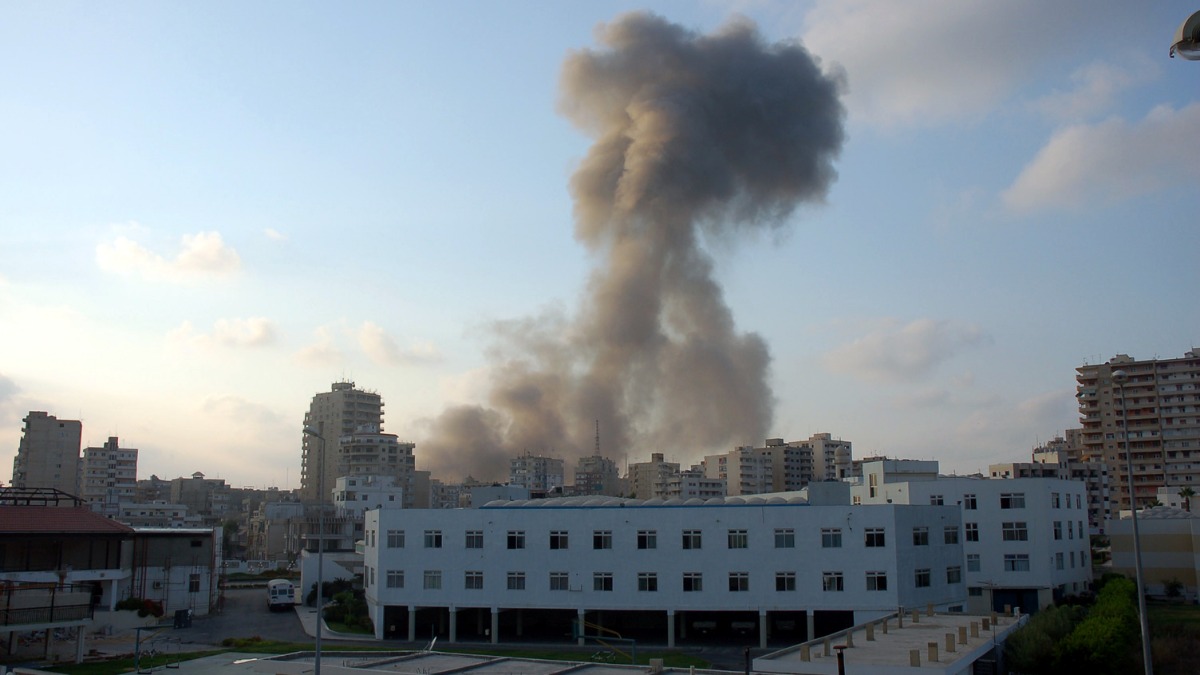
Washington has also reportedly been easing oil sanctions on Moscow and Tehran in response to rising energy prices. These tensions came to a head recently when Trump set a final deadline for Iran and bombed Kharg Island, signaling how close the situation had come to a full military confrontation.
Trump’s new tariff threat is a direct challenge to this entire supply network. However, truly cutting off Iran’s military capacity will require identifying the intermediaries and transshipment hubs that move controlled technologies across multiple countries before they reach Iran.
The U.S. will likely need to combine targeted sanctions, stronger export control enforcement, and intelligence sharing with partner governments, alongside incentives for countries that serve as transit points but lack the resources or motivation to fully enforce export controls.


Published: Apr 8, 2026 11:45 am