



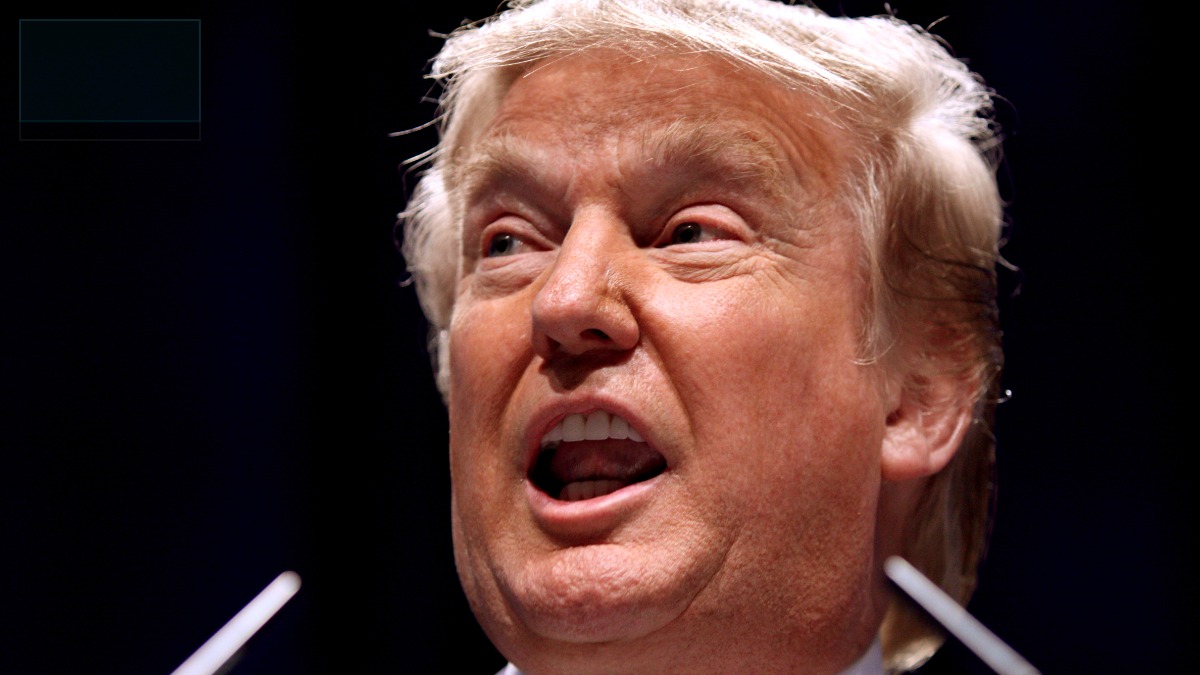

President Trump announced that the U.S. will be “out of Iran pretty quickly” after nearly five weeks of ongoing airstrikes in the Middle Eastern country, though he did warn that the military could still return for “spot hits” if necessary, as reported by The Hill. This declaration comes amidst a flurry of activity and conflicting reports surrounding potential peace talks and the critical Strait of Hormuz.
The president made these remarks when asked directly if the conflict with Iran could be considered over. He’s been pretty consistent about having varying timelines for this situation, at one point earlier this month saying he would know the conflict was over when he could “feel it in my bones.” “I can’t tell you exactly … we’re going to be out pretty quickly,” he said, later adding that the Iranian regime “won’t have a nuclear weapon because they are incapable of that now, and then I’ll leave, and I’ll take everybody with me, and if we have to we’ll come back to do spot hits.”
President Trump also claimed that Iran has experienced “full regime change” following the death of former Supreme Leader Ayatollah Ali Khamenei on the very first day of the strikes. His son, Mojtaba Khamenei, was reportedly tapped to become the new leader early last month. “I’m dealing with a very good chance that we’ll make a deal because they don’t want to be blasted anymore,” Trump told Reuters. He went on to say, “I didn’t need regime change, but we got it because of the casualties of war. We got it. So, we have regime change and the big thing we have is they’re not going to have a nuclear weapon. Nor do they want one.”
According to the president, Operation Epic Fury has effectively ensured that Iran will not develop a nuclear weapon
The Islamic Republic has consistently denied that it has been working on a nuclear weapon, stating repeatedly that its nuclear program is intended solely for peaceful purposes. Interestingly, Trump stated that he doesn’t really care about Iran’s highly enriched uranium, even though the Defense Department had considered sending troops to the region specifically to extract the country’s uranium. He simply stated that it’s “so far underground” anyway, and added, “We’ll always be watching it by satellite.”
Earlier on Wednesday, President Trump also announced that Iran had requested a ceasefire. He stated that he would consider the country’s proposal once the Strait of Hormuz is “open, free, and clear.” In his post, he praised Iran’s “New Regime President,” describing them as “much less Radicalized and far more intelligent than his predecessors.”
It remains unclear if he was referring to the younger Khamenei, as he didn’t explicitly name the leader in his post. “We will consider when Hormuz Strait is open, free, and clear,” Trump added in the post. He then issued a stern warning: “Until then, we are blasting Iran into oblivion or, as they say, back to the Stone Ages!!!”
However, the Iranian government has painted a very different picture. Foreign Ministry spokesperson Esmail Baghaei outright described Trump’s statement about a ceasefire request as “false and baseless” during a state television broadcast. Adding another layer to the diplomatic confusion, Iran’s foreign minister, Abbas Araghchi, revealed in a separate interview that he had received messages from U.S. Special Envoy to the Middle East Steve Witkoff regarding peace talks. Despite this communication, Araghchi noted that “the trust level is at zero.”
Sources familiar with the situation have offered some additional context. One source indicated that President Trump had authorized Vice President Vance to communicate with “intermediaries,” signaling that the U.S. is open to a ceasefire. This would, of course, be in exchange for the reopening of the Strait of Hormuz, along with other unspecified demands. Three other sources have also noted that ongoing negotiations are heavily centered around the reopening of the strait, although officials apparently remain unsure if a deal will actually be reached.
The Strait of Hormuz is a huge deal, and its closure has had significant global ramifications. Leaders in Tehran have repeatedly stated that the strait will remain closed to U.S. vessels and other “enemy” ships. This stance has directly fueled an energy crisis and a global spike in gas prices, affecting everyone from commuters to major industries.




Published: Apr 1, 2026 07:15 pm