



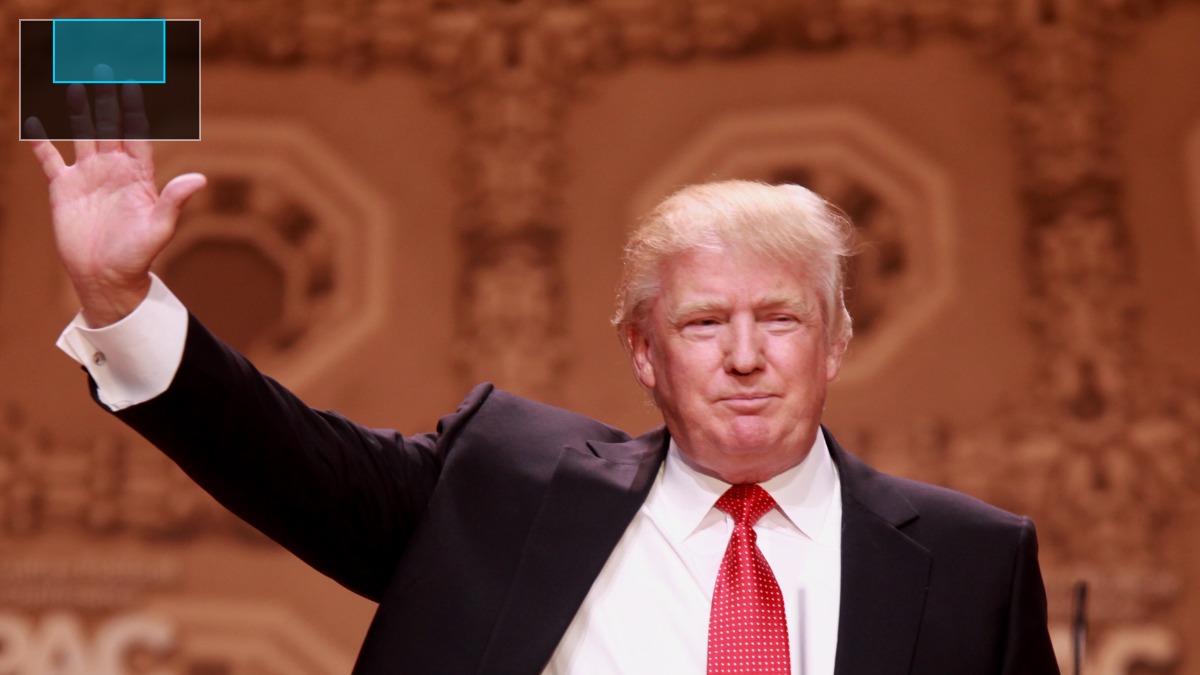

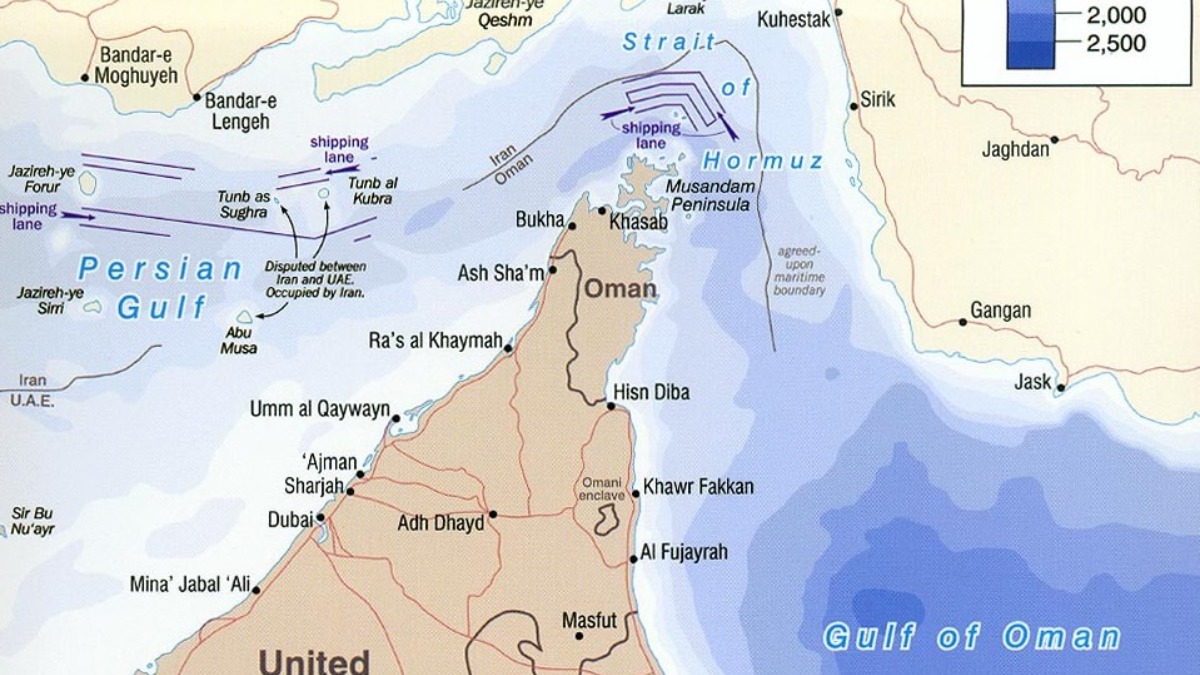
President Trump is demanding that NATO allies help clear the Strait of Hormuz, which Iran has blocked since the U.S. and Israel launched their war against Iran a few weeks ago. This comes just two months after the alliance dealt with a major crisis over Trump’s push to take control of Greenland, where he threatened tariffs and refused to rule out military action before backing down. Now, he is telling European leaders it is their turn to return the favor.
“It’s only appropriate that people who are the beneficiaries of the Strait will help to make sure that nothing bad happens there,” Trump told the Financial Times. He also warned that “if there’s no response or if it’s a negative response I think it will be very bad for the future of NATO.”
According to Fortune, Trump admitted he is not very hopeful that allies will actually come to his aid. Still, he argued that NATO owes him, saying, “We didn’t have to help them with Ukraine. Ukraine is thousands of miles away from us … But we helped them. Now we’ll see if they help us.” He suggested that NATO’s help could come in the form of minesweepers or commandos.
Military options in the Strait of Hormuz are risky and largely ineffective
Oil prices have soared as Iran’s attacks have created a blockade, affecting one-fifth of the world’s oil and liquid natural gas flow. Wall Street is warning that crude could hit $150 a barrel if the conflict continues. Hundreds of tankers are stuck in the Gulf, and major producers like Saudi Arabia and Iraq are being forced to pump less oil because they have nowhere to store their output.
Iran’s Foreign Minister Abbas Araghchi said that vessels from different countries have already been allowed through the strait, and several governments have approached Tehran about securing safe passage for their ships. He added it is “up to our military to decide.” Reports suggest Iran is still getting its oil shipments out to China, keeping that important revenue flowing.
Trump has already ordered an attack on Kharg Island, Iran’s main oil export hub, and is trying to put together a naval coalition to reopen the strait. He previously called on China, France, Japan, South Korea, and Britain to send warships, but responses have been non-committal. Canada is one notable example, as the country has refused to back NATO allies in the Iran war, adding further uncertainty to the coalition effort.
U.S. Navy officials have called the Strait of Hormuz a “kill box.” Iran’s missiles, drones, mines, and fast-attack boats pose serious threats to warships. Jennifer Parker, founder of Barrier Strategic Advisory and a Royal Australian Navy veteran, wrote that “responding to coastal launch sites as they emerge would require coordinated strike operations ashore and perhaps marines.”
Then there is the mine problem. Even though the U.S. has heavily damaged Iran’s navy, Iran can still use small boats to deploy mines, and it does not take many to scare off commercial traffic. Caitlin Talmadge, an MIT political science professor, warned that “historically, mine clearance has been slow, and it is almost impossible to do under fire.”
She cautioned that “in short, if Iran effectively mines the strait, all U.S. response options are suboptimal,” and stressed that Washington should focus on preventing Iranian mine-laying in the first place. Some analysts warn that the NATO alliance’s future is being reshaped by these growing divisions, making a unified response even harder to achieve.







Published: Mar 16, 2026 07:30 pm