





President Donald Trump’s Middle East advisor, Jared Kushner, recently presented concept art for rebuilding Gaza. The plans feature luxury high-rise buildings and major tourist destinations. Kushner showed the “master plan” at the World Economic Forum in Davos, Switzerland, displaying graphics of waterfront development designed to attract global tourism.
This isn’t a simple repair project. Kushner wants a complete transformation of the area. He told the forum that in the Middle East, massive cities get built in two or three years. “Stuff like this is very doable, if we make it happen,” he said, according to Newsweek.
The plan includes major infrastructure improvements. Gaza would get new roads, a new port, and a new airport. Gaza’s former airport was destroyed over 20 years ago. The map shows eight “residential areas” with parks, farmland, and sports facilities. Kushner is calling the rebuilt Gaza City “New Gaza.”
The coastal development focus reveals concerning priorities for Gaza’s future
The plan heavily focuses on Gaza’s coastline, where most Palestinians currently live. The master plan designates most of this area for “tourism.” It shows 180 “mixed use” towers planned for the waterfront. The plan also highlights areas for “industrial complex,” “advanced manufacturing,” and “data centers,” though Kushner didn’t explain what industries would operate there.
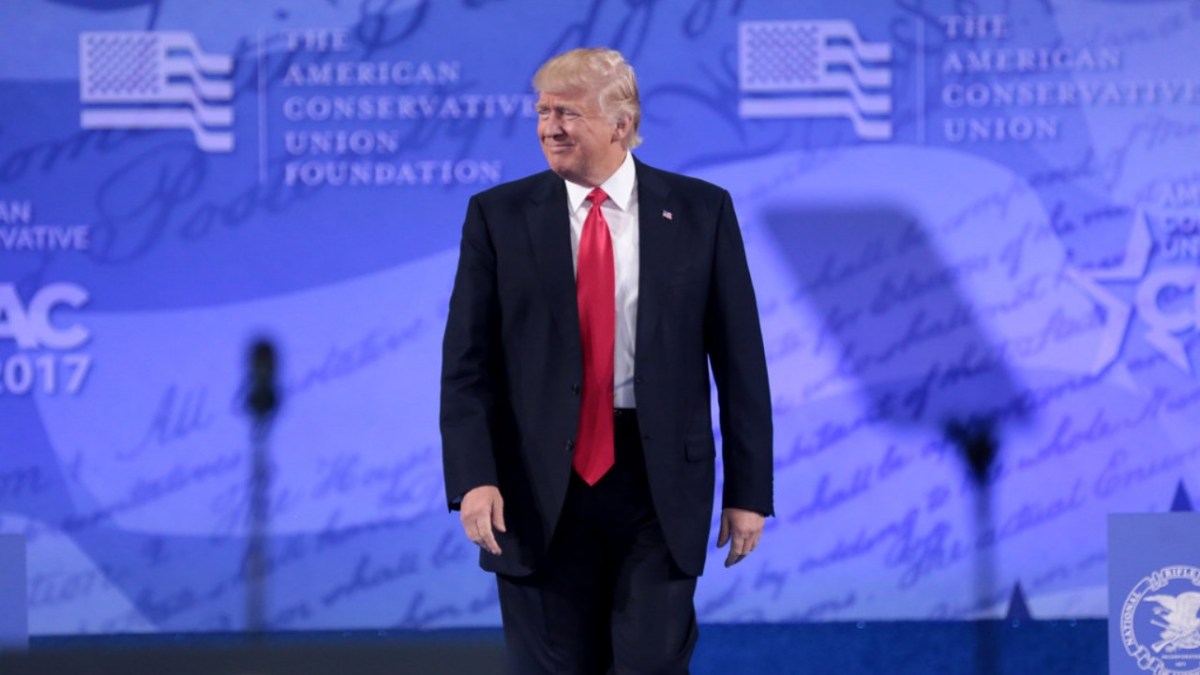
This approach fits President Trump’s strategy for international conflicts, which he calls “peace through property development.” Trump is excited about the location’s real estate value. “This is a great location. It all begins, see, I’m a real estate person at heart and it’s all about location. And I said look at this location on the sea. Look at this beautiful piece of property. What it could be for so many people,” President Trump said.
The administration’s recent sanctions approach toward allies shows how Trump uses economic pressure in foreign policy. Kushner said construction would start with “workforce housing” in Rafah, a southern Gaza city destroyed during the war. Israeli troops currently control Rafah. After that, work would move to rebuilding “New Gaza.” Kushner thinks the entire project could finish in “two, three years.” “We’ve already started removing the rubble and doing some of the demolition,” he added.
The timeline seems unrealistic. The United Nations Office for Project Services estimates there are over 60 million tons of rubble that will take more than seven years just to clear. After clearing rubble, crews still need to remove unexploded shells and missiles scattered throughout the area. Kushner hasn’t explained how they’ll handle the demining work or where hundreds of thousands of displaced Palestinians will live during reconstruction.
Many experts call this plan “totally unrealistic.” Critics worry the plan isn’t meant to help local Palestinians. Palestinian-American author and activist Susan Abulhawa wrote that this is a plan to “erase Gaza’s indigenous character, turn what remains of her people into a cheap labor force to manage their ‘industrial zones’ and create an exclusive coastline for ‘tourism.’
Palestinians will be pushed behind walls and gates…” Tariq Kenney-Shawa, a U.S. policy fellow at Al-Shabaka, said the plan is to “keep Palestinians in hyper-surveilled prison camps where they’ll eventually provide cheap labor for the resorts/high rises they won’t be allowed to live in, all built atop a mass grave.” President Trump’s “Board of Peace” leads this effort. The board manages the ceasefire and leads reconstruction. Key U.S. allies, including France, Norway, and Sweden, have declined to join.
This resistance from European partners mirrors how Trump’s Greenland threats affected relations with longtime allies. Kushner said development requires Gaza to have “security.” Since the ceasefire started on October 10, Israeli troops have reportedly killed at least 470 Palestinians, including women and children.







Published: Jan 23, 2026 01:15 pm