



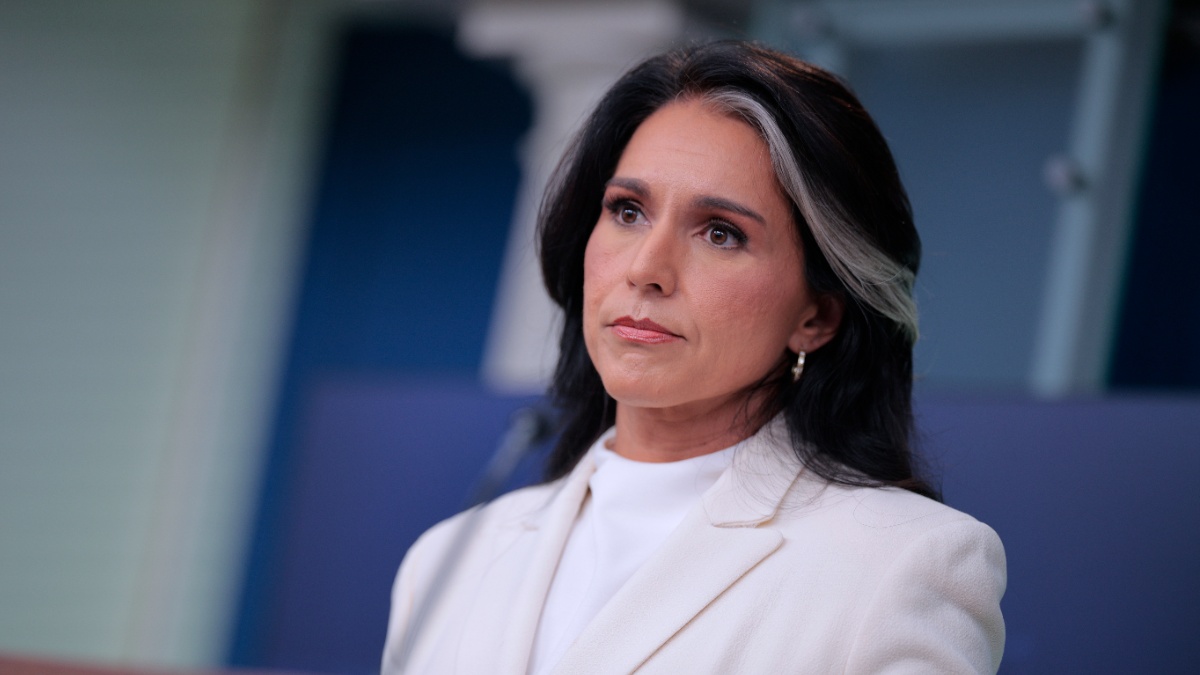

The Director of National Intelligence, Tulsi Gabbard, is facing explosive allegations that she personally intercepted a highly classified National Security Agency report and delivered a paper copy directly to President Trump’s Chief of Staff, Susie Wiles, before instructing the NSA to halt its routine distribution, as reported by The Guardian. If these claims are true, it certainly represents an unusual and potentially problematic path for extremely sensitive intelligence.
The highly sensitive information originated last spring when the NSA flagged an unusual phone call between two members of foreign intelligence. According to Andrew Bakaj, the attorney for a whistleblower who was briefed on the details of the call, the conversation involved a person close to the Trump White House. Bakaj clarified his understanding in a statement, noting, “The NSA picked up a phone call between two members of foreign intelligence involving someone close to the Trump White House.”
He emphasized that the NSA doesn’t monitor individuals without a reason. It’s important to note that this person close to President Trump is not understood to be an administration official or a special government employee.
We’re talking about highly classified details that normally wouldn’t leave agency hands this way
Rather than letting NSA officials process and distribute the intelligence through normal channels, Gabbard allegedly took action immediately. Bakaj claims that after reviewing the material, Gabbard took a physical paper copy of the sensitive communique straight to the president’s chief of staff, Susie Wiles.
The very next day after that meeting with Wiles, Gabbard reportedly told the NSA to put the brakes on. She instructed officials not to publish the standard intelligence report. Instead, she ordered the NSA to transmit all the highly classified details directly and exclusively to her office, essentially placing the entire report under lock and key. For eight months, that intelligence report has remained suppressed, even though the whistleblower has pushed hard to get the details disclosed to congressional intelligence committees.
Naturally, these actions prompted internal concern. The whistleblower contacted the office of the inspector general on April 17, alleging that Gabbard had blocked the classified intelligence from its routine dispatch. The formal complaint about Gabbard’s actions was filed shortly thereafter on May 21. Bakaj, who previously served in the office of the inspector general for the CIA, often receives referrals from intelligence community members for legal counsel because of his background and expertise.
The Office of the Director of National Intelligence (ODNI) released a statement defending DNI Gabbard’s actions. “Every single action taken by DNI Gabbard was fully within her legal and statutory authority, and these politically motivated attempts to manipulate highly classified information undermine the essential national security work being done by great Americans in the Intelligence Community every day,” the statement read.
The ODNI also pointed out that both a Biden-era and a Trump-appointed Intelligence Community Inspector General have already found the allegations against DNI Gabbard baseless. However, the handling of the complaint itself has raised eyebrows among lawmakers. Acting Inspector General Tamara A Johnson dismissed the complaint quickly, concluding her 14-day review on June 6. She wrote in a letter to the whistleblower that “the Inspector General could not determine if the allegations appear credible.”


Published: Feb 9, 2026 08:00 am