



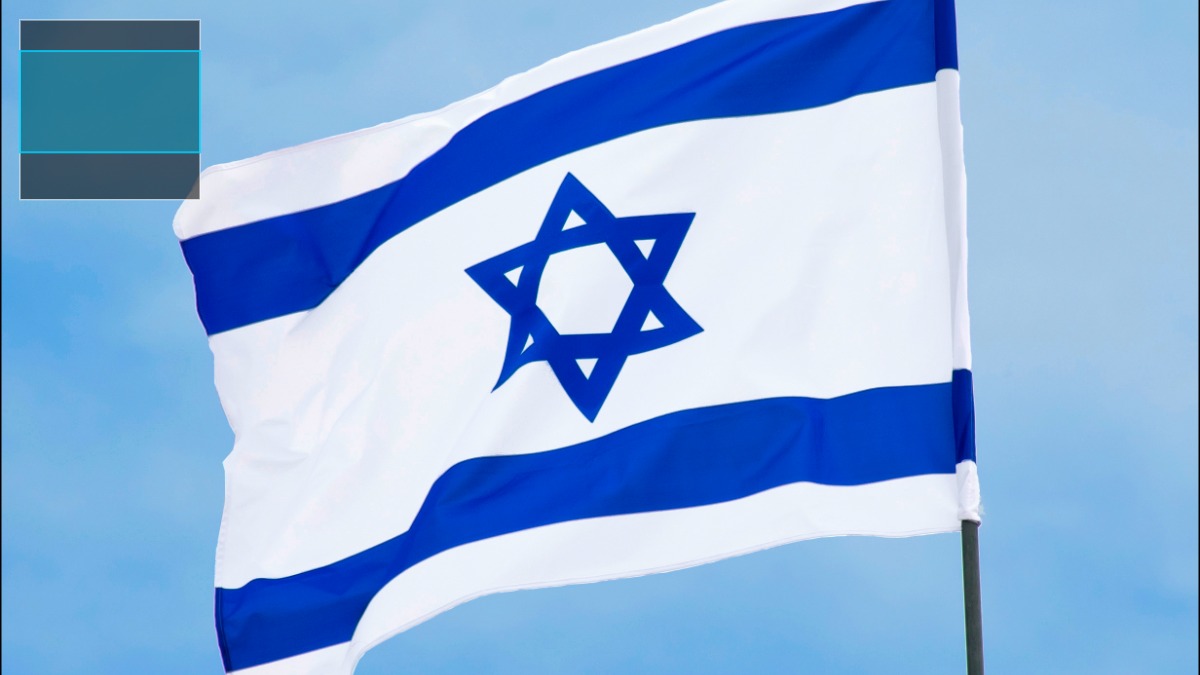

The United Nations human rights office is warning that Israel’s attacks on Lebanon, particularly those hitting residential buildings and civilian infrastructure, may amount to war crimes. As reported by Al Jazeera, the concerns come amid a renewed wave of Israeli air strikes and ground operations.
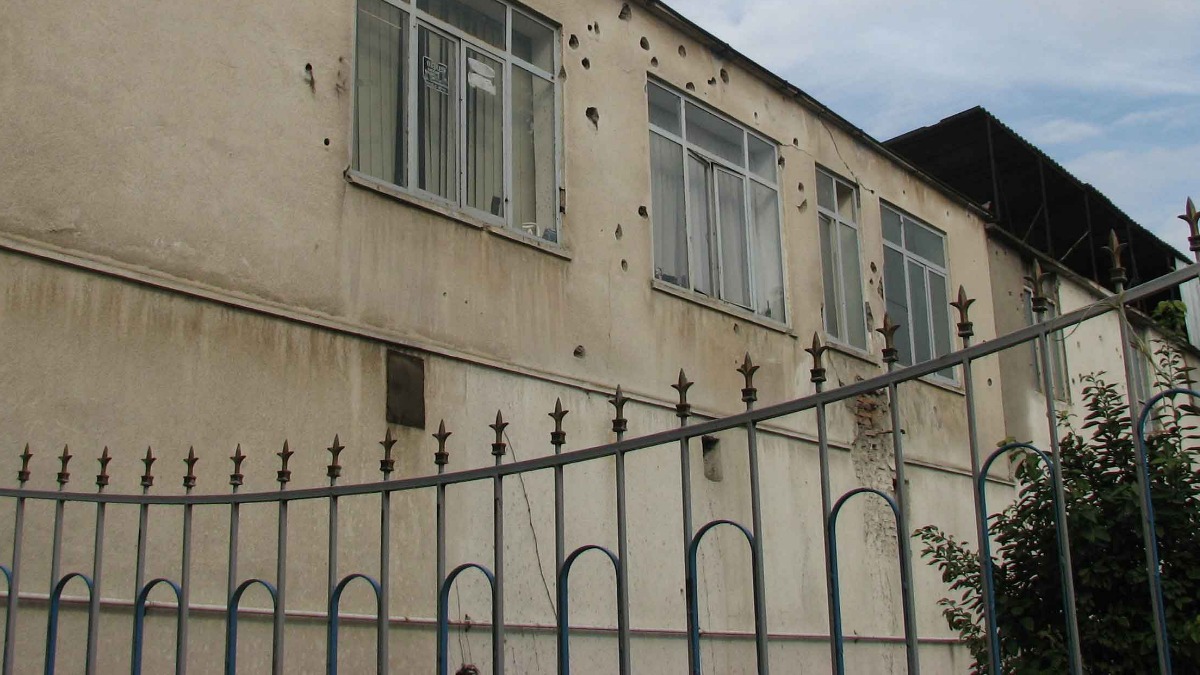
During a briefing in Geneva, a spokesperson for UN High Commissioner for Human Rights Volker Turk said hundreds of homes and buildings, including healthcare facilities, have been destroyed in strikes across Beirut and other areas. The UN emphasized that international humanitarian law requires clear distinction between military targets and civilians.
The spokesperson added that deliberately targeting civilians or civilian objects would constitute a war crime under international law. The warning underscores growing scrutiny over how targets are being selected during the ongoing escalation.
Civilian toll and displacement are driving concern
At least 912 people have been killed in Israeli attacks on Lebanon since March 2, according to Lebanon’s Ministry of Public Health. The toll includes 111 children, along with more than 2,200 people wounded, amid Iranian oil shipping waivers and other wartime policy shifts across the region.
Reports also indicate that at least 16 health workers have been killed, while displaced civilians sheltering along the Beirut seafront have been struck. International humanitarian law provides specific protections for medical personnel and vulnerable populations, heightening concern over these casualties.
The conflict has forced more than one million people from their homes, according to Lebanese authorities. Israeli officials have issued displacement orders for areas south of the Litani River and parts of Beirut, raising concerns about the legality of those directives.
The UN human rights office said such orders may amount to forced displacement, which is prohibited under international humanitarian law. The situation has left many without access to healthcare, food, clean water, and education, while also disrupting livelihoods on a wide scale.
Humanitarian groups say the crisis is outpacing available aid. The wider response now includes Ukrainian drone defense teams tied to the expanding conflict.
CARE Lebanon said the response is struggling to meet the scale of displacement, citing shortages in supplies, funding, and basic services. The organization described the situation as overwhelming, with civilians bearing the brunt of the ongoing conflict.
The escalation began in early March after Hezbollah launched rockets into northern Israel following the killing of Iranian Supreme Leader Ali Khamenei in US-Israeli strikes on February 28. Israel says its campaign targets Hezbollah positions, while the group continues firing rockets and engaging Israeli forces in southern Lebanon.




Published: Mar 17, 2026 07:45 pm