



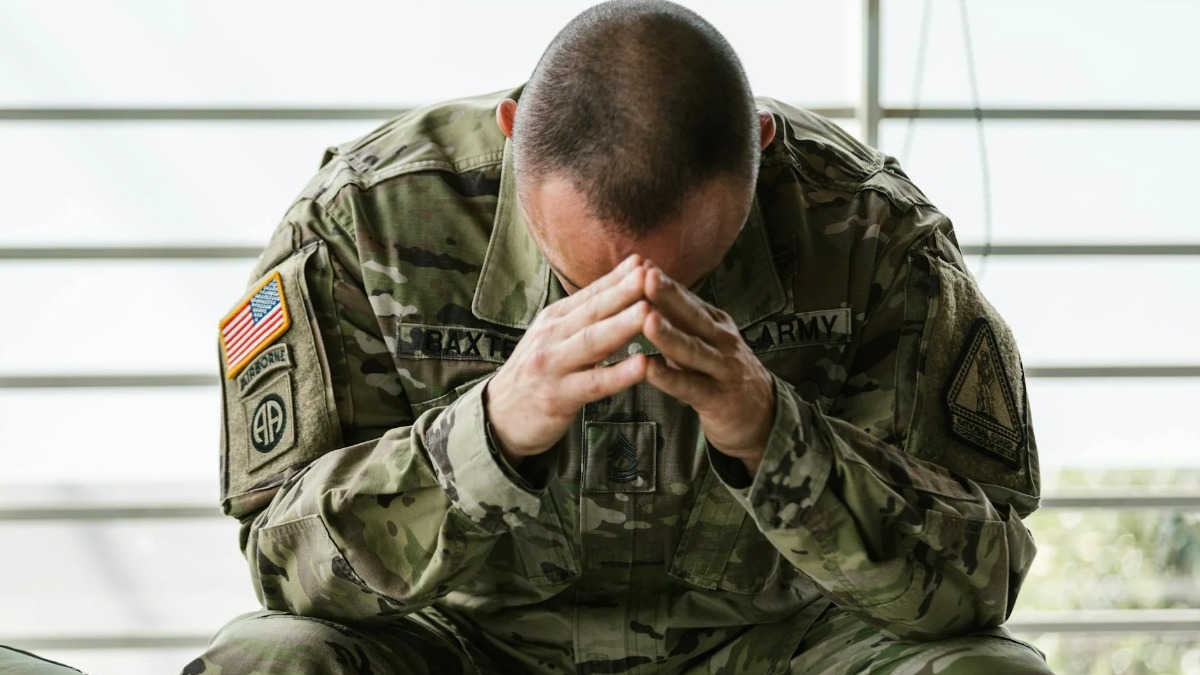

The US is preparing to deploy around 3,000 soldiers from the Army’s 82nd Airborne Division to the Middle East as strikes across the region continue to escalate. As first highlighted by The Guardian, once in position, President Trump could order those forces to seize the Strait of Hormuz or blockade Kharg Island, Iran’s primary oil export hub.
Trump has simultaneously described US-Iran talks as “very good,” while White House Press Secretary Karoline Leavitt stated the war would continue “unabated.” Iranian officials have flatly denied that any negotiations are taking place, with Iran’s UN ambassador reporting that at least 1,348 civilians have been killed since the conflict began.
Iran’s skepticism toward US diplomatic overtures is tied directly to recent history. The country was in active talks with the US before the surprise attack that started the war and killed Supreme Leader Ali Khamenei, with similar negotiations also underway last year when the US and Israel struck Iran’s nuclear facilities.
Intermediaries are quietly trying to open channels between Washington and Tehran
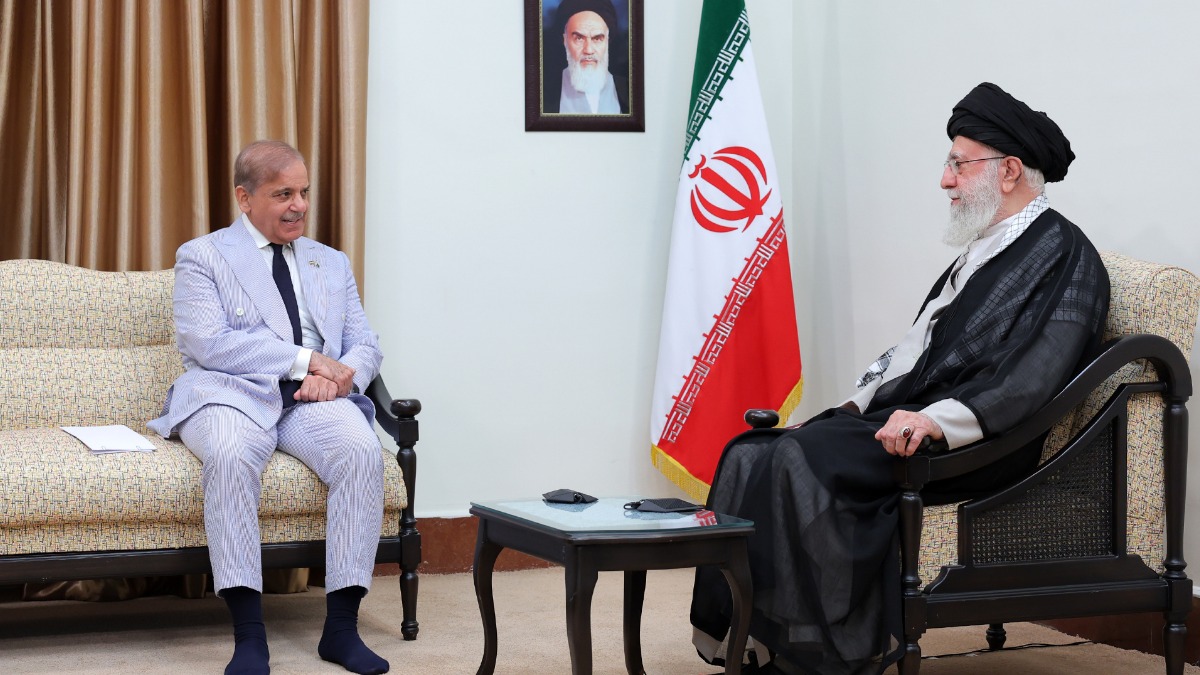
Pakistan, Oman, and Egypt have each confirmed tentative efforts to establish communication between the two sides. There is talk of a meeting in Islamabad between Iranian officials and Trump’s special envoy Steve Witkoff, Jared Kushner, and Vice President JD Vance, and Trump reposted an offer from Pakistani Prime Minister Shehbaz Sharif to host those talks on his Truth Social platform.
On the ground, Iranian barrages have struck Israel, Gulf Arab states, and northern Iraq, while Israeli and US warplanes have carried out strikes across Tehran and other targets inside Iran. Trump had already reversed a deadline to strike Iranian power infrastructure for a five-day period, though that window is now set to expire this Friday. Israeli Prime Minister Benjamin Netanyahu stated that Israel will continue striking Iran and Lebanon regardless of any US ceasefire considerations, saying “there’s more to come.”
Oil prices have risen to $104 a barrel, a more than 40% increase since the war began on February 28, and analysts warn of lasting disruptions to regional oil and gas supplies. Iran has separately continued to dispute the framing of the conflict in international forums, accusing Israel of staging false flag operations to shape global perception.






Published: Mar 24, 2026 08:45 pm