



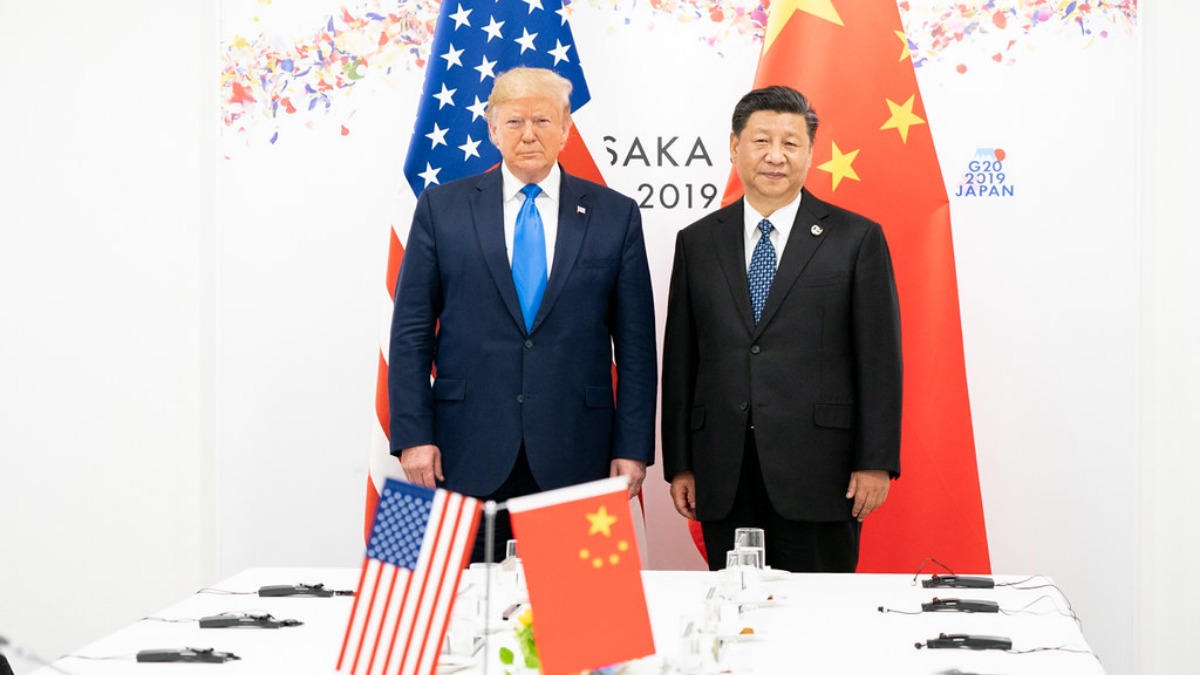

The latest meeting between Donald Trump and Chinese President Xi Jinping in Beijing has put a familiar ritual under the microscope. Standing outside the Great Hall of the People on Thursday, May 14, the two leaders engaged in a handshake that lasted nearly 15 seconds. As detailed by LADbible, experts say the specific grip positions reversed the power dynamic Trump has long projected through similar exchanges.
Trump’s handshake style has been extensively analyzed over the years. He typically extends his hand with the palm facing upward, a posture body language experts classify as intentionally deferential, designed to signal warmth toward the person he is greeting. That same positioning has been observed in his interactions with Russian President Vladimir Putin, Israeli Prime Minister Benjamin Netanyahu, and Elon Musk. One consistent exception is French President Emmanuel Macron, with whom Trump has notably held his ground.
In Beijing, those roles shifted. Body language expert Inbaal Honigman, speaking on behalf of Covers, noted that Xi held the dominant position in both a literal and figurative sense. Because the more dominant person in a handshake is typically the one whose palm lands on top, Xi’s placement signaled a clear shift from the expected dynamic.
Xi turned a formal greeting into a statement
The interaction went further than palm placement alone. As the two men stood shoulder-to-shoulder overlooking Tiananmen Square, Trump was seen patting Xi’s hand multiple times throughout the exchange. Honigman describes that behavior as characteristic of Trump’s approach, used to elevate a standard greeting into something more personal and bond-forming. Amid wider attention on Trump’s public conduct, the gesture at a military speech two days earlier had already drawn scrutiny over how he communicates in formal settings.
This marked the seventh face-to-face meeting between Trump and Xi since 2017. During the event, Trump referred to Xi as a great leader and said it was an honor to call him a friend. That rapport carries particular weight given the geopolitical stakes, especially regarding Taiwan. The United States maintains a One China policy while continuing to support Taiwan through the Taiwan Relations Act, and China has stated it would be willing to use force if the island moved permanently out of Beijing’s reach. Amid that backdrop, China’s recent defense budget increase has drawn attention to where Beijing’s priorities lie.
The handshake itself was described by observers as a hand-hug given its intensity and duration. Xi extended his hand high even before the two men reached each other, and Honigman noted he appeared visibly confident, with his chin raised and a broad smile. Maintaining direct eye contact throughout, both leaders turned a brief ceremonial moment into a closely watched exchange.
In general body language study, a handshake between two people of equal standing should keep both hands vertical, creating a mirror reflection. When one person forces their hand on top, it is typically read as a deliberate power play. This time in Beijing, that move belonged to Xi.


Published: May 14, 2026 06:00 am