


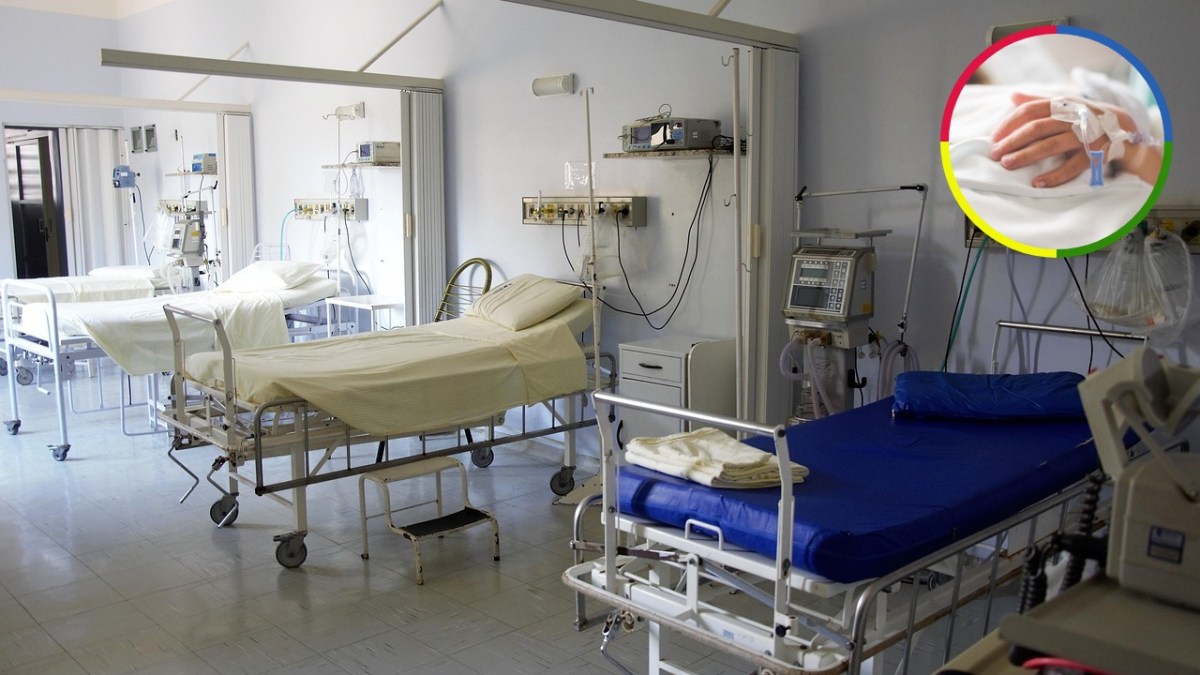

A Canadian man dealing with a debilitating neurological condition is sharing his story, claiming that hospital staff have repeatedly brought up medically assisted death while he’s been trying to get home care. Roger Foley, who lives with spinocerebellar ataxia, claims these conversations started back in 2016 at Victoria Hospital in Ontario, where he’s been hospitalized for years, fighting for a self-directed home-care plan.
As reported by Fox News, Foley says he doesn’t want to die, and he’s determined to get back to his apartment with caregivers he can choose himself. “For me, this is just heartbreaking to hear. Nobody should feel like assisted death is being pushed on them when what they really need is support to live.”
His attending physician, Dr. George K. Dresser, even wrote a letter on July 7, 2026, stating that Foley could safely leave the hospital if the Ontario government would approve an individualized home-care setup. “By any reasonable clinical standard, you could be discharged from our hospital if you had adequate support at home,” Dr. Dresser wrote.
Foley claims he was threatened with daily hospital charges of about $1,500
He mentioned that Foley has been medically stable for much of his long hospital stay, even though he’s had hospital-acquired infections. Dr. Dresser believes that the usual home-care programs just haven’t been able to handle Foley’s complex medical needs.
Dr. Dresser described Foley as “a square peg in a round hole,” explaining that the hospital’s standard approach isn’t a good fit for someone who needs consistent caregivers and highly personalized help. He also pointed out that keeping Foley in the hospital might be costing Ontario’s healthcare system more money than necessary.
“A community-based, self-directed arrangement would in all likelihood cost substantially less than continued acute admission, while delivering far better-matched care,” Dr. Dresser wrote. He urged Ontario’s Ministry of Health to approve funding so Foley could hire, train, and manage his own personal support workers, possibly ending his years-long hospitalization.
Foley alleges that medically assisted dying was brought up again during a discharge process in 2017. He says he was threatened with daily hospital charges of about $1,500 if he didn’t accept the care arrangements being offered at the time.
Adding to his struggles, Foley claims the hospital removed lighting accommodations for his neurological condition in May 2025. This change, he says, has made it really tough for him to get care and even eat or drink. His condition makes him sensitive to certain light wavelengths, like those from fluorescent fixtures.
For years, the hospital had provided amber-spectrum lighting, letting caregivers help him without triggering his symptoms. But when that was removed, he had to wear big, heavy protective goggles, which put extra strain on his already compromised neck.
He also alleged that some hospital employees were told not to provide care unless fluorescent lights were on, even though other staff had been able to help him using the amber lighting without any issues. Around the same time his lighting accommodations were withdrawn, Foley claims hospital personnel started asking him about suicidal thoughts again.
He says he refused to engage in those conversations this time because he no longer trusted the hospital’s intentions, especially since assisted dying had been brought up before. Foley’s allegations are the latest chapter in what he calls a nearly decade-long fight to get the care that would let him leave the hospital and go home.
Despite all this, he has never given up his apartment, which he says is accessible and has a ceiling lift for his mobility needs. “I have my own apartment. I still pay all my bills,” he told a reporter. He added, “The last 10 years I haven’t given up my apartment and I have wonderful community personal support workers that are ready to start working for me as soon as I get the self-directed funding.”
Before his illness progressed, Foley had a varied career, working in banking, as a television host and comedian, and even training as a professional wrestler. He says he earned recognition for his work before his health forced him to go on long-term disability. But even with his physical limitations, Foley has kept looking for ways to contribute.
He’s now involved with a project called “Bring Roger Home,” which is working with a nonprofit to raise money for his home care. The project also includes releasing music he recorded years ago, with proceeds going to his care needs and eventually helping others in similar situations.
Foley’s ultimate goal is still to return home, reconnect with family and friends, and live as independently as possible. His experience has also shaped his opposition to Canada’s Medical Assistance in Dying (MAID) system. He believes it can’t be adequately safeguarded when patients face serious gaps in medical care and social support.









Published: Oct 21, 2026 02:15 pm